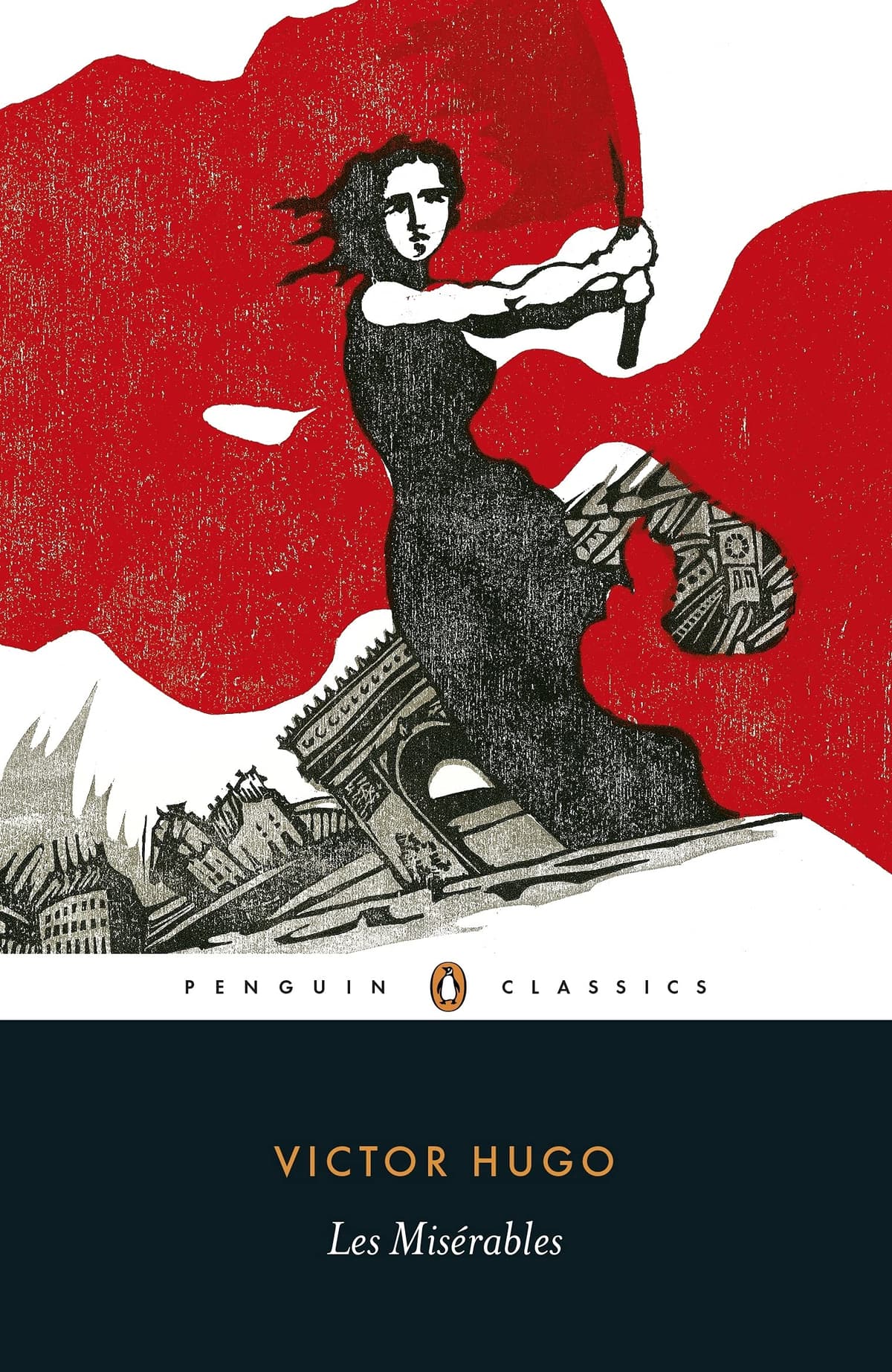
Les Misérables
“To love or have loved, that is enough. Ask nothing further. There is no other pearl to be found in the dark folds of life.”
Les Misérables Summary
In the shadows of post-Napoleonic France, a former convict named Jean Valjean emerges from nineteen years of hard labor for stealing a loaf of bread. A chance act of mercy by a bishop transforms him into a force for good, but he can never escape the relentless pursuit of Inspector Javert, a man for whom the law is the only morality. Around them swirls the tide of French history—from the sewers of Paris to the barricades of the 1832 uprising—and a vast cast of characters: the doomed factory worker Fantine, her daughter Cosette, and the revolutionary students who will die for an ideal.
Victor Hugo's cathedral of a novel is a thundering argument that human beings are capable of redemption. It is sprawling, digressive, and unapologetically grand—with lengthy meditations on the Battle of Waterloo, the Paris sewer system, and the nature of progress—but its emotional core is intimate: one man's struggle to become worthy of grace.
Why Read Les Misérables?
There are big novels, and then there is Les Misérables. Hugo set out to write nothing less than a complete moral history of the nineteenth century, and he succeeded. This is a book that will make you weep for a prostitute, cheer for a convict, and rage against the machinery of injustice. At its center is a question that has haunted civilization since its beginning: can a person truly change?
Hugo answers with a resounding yes—but not easily, and not without cost. Valjean's transformation is the moral backbone of the novel, but it is Javert, the antagonist who cannot accept that a criminal could become a saint, who delivers the book's most devastating lesson. Les Misérables is not just a novel; it is a sermon, a history, and a hymn to the unconquerable resilience of the human spirit.
About Victor Hugo
Victor Hugo (1802–1885) was the towering colossus of French letters—poet, novelist, dramatist, and political exile. He lived large in every sense: his funeral procession in Paris drew two million people, and his literary output was staggering. Hugo's activism against capital punishment and social injustice made him a hero to the common people of France.
His two greatest novels, The Hunchback of Notre-Dame and Les Misérables, combined Romantic grandeur with a passionate social conscience. Hugo wrote Les Misérables over a period of seventeen years, and when it was published, it became an instant worldwide sensation. He remains the conscience of France.
Reading Guide
Ranked #38 among the greatest books of all time, Les Misérables by Victor Hugo has earned its place in the literary canon. Originally written in French and published in 1862, this challenging read from France continues to resonate with readers today.
This book belongs to our Epics and Society & Satire collections, where you can discover more books that share its spirit and themes.
If you enjoy challenging reads like this one, you might also like Ulysses, Moby-Dick, or Lolita.
From the Epics Collection
If you enjoyed Les Misérables, discover more masterpieces that share its spirit.
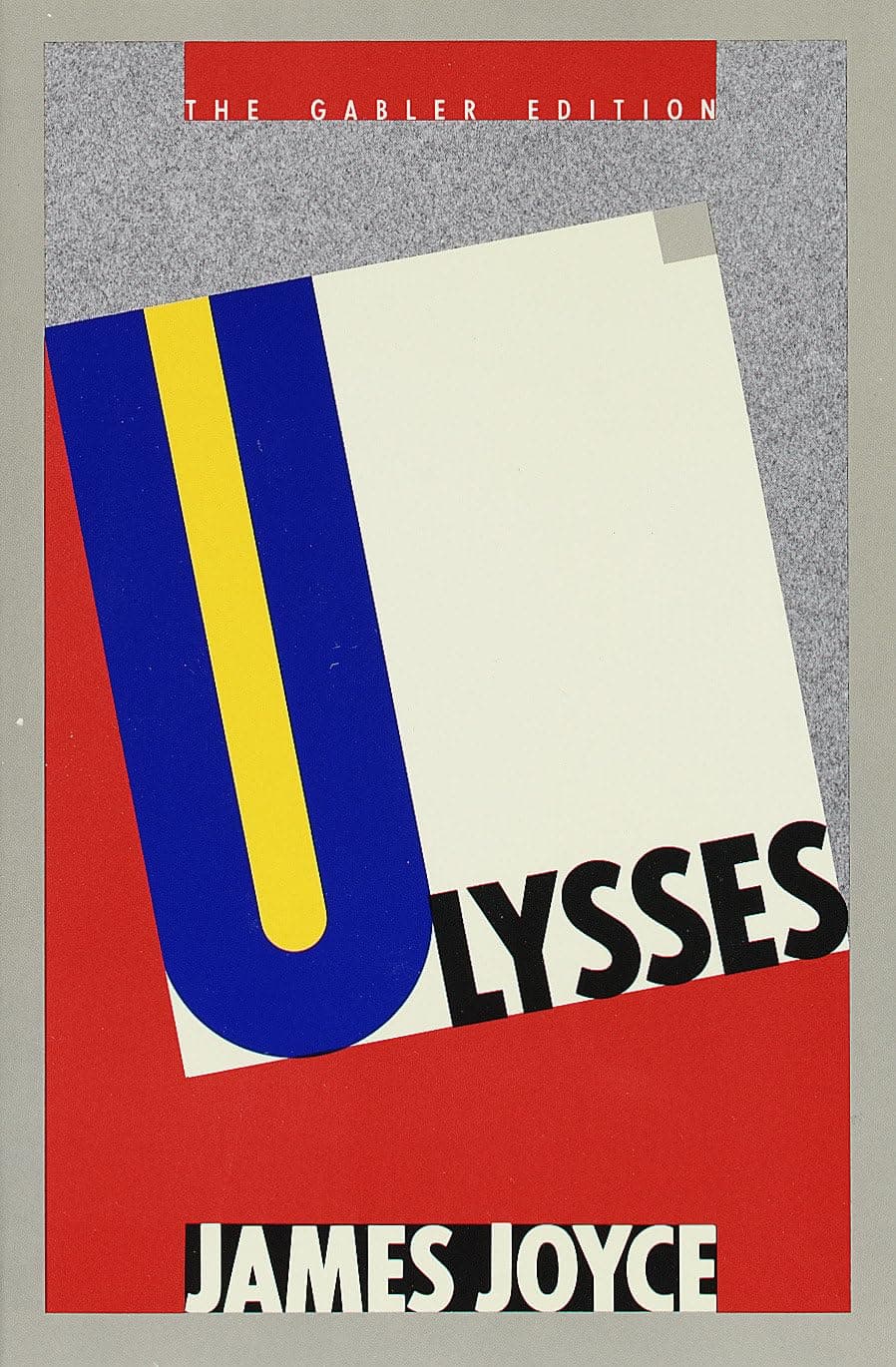 #1View Book
Ulysses
James Joyce
Challenging•35-40 hours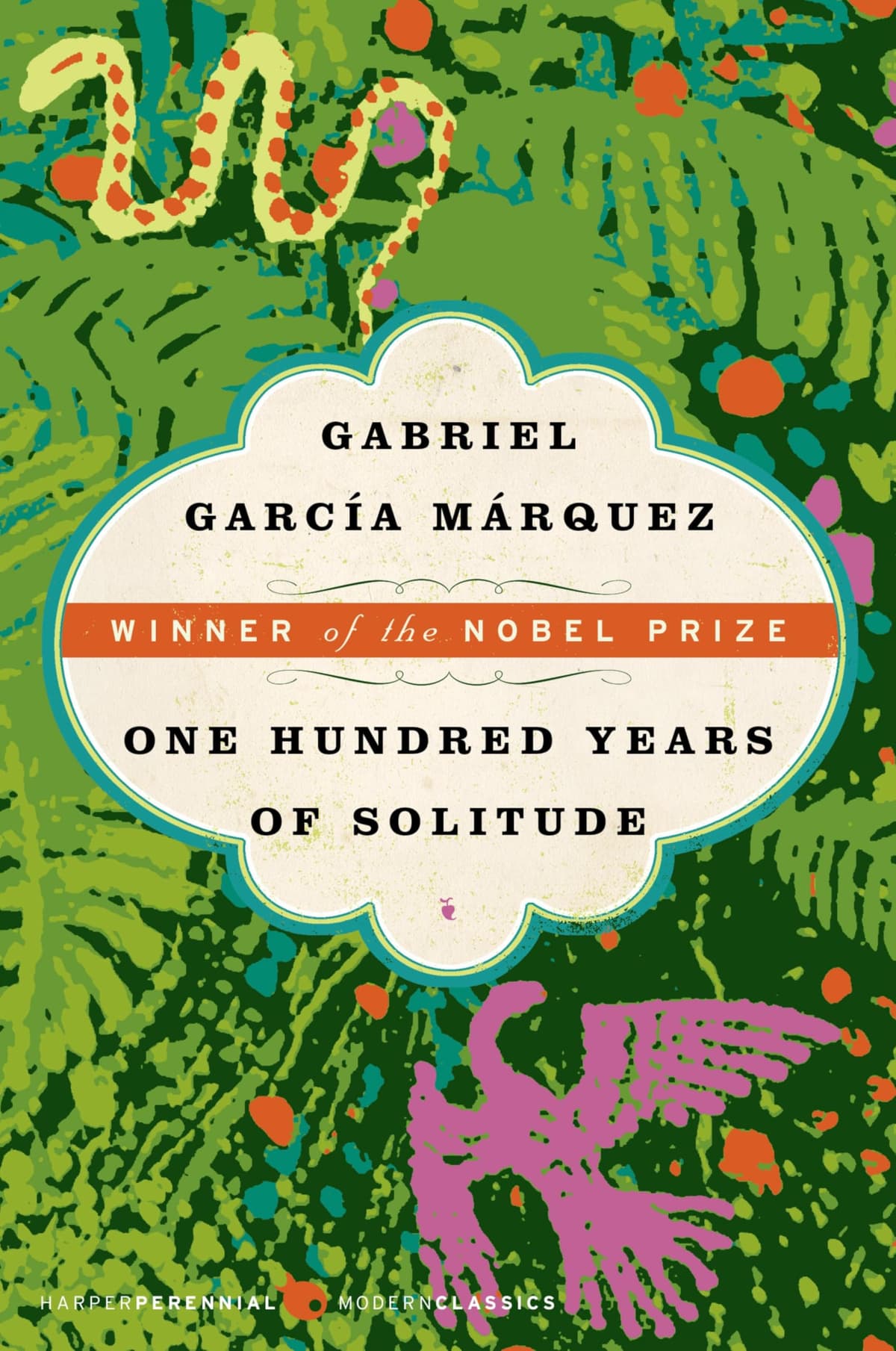 #5View Book
One Hundred Years of Solitude
Gabriel García Márquez
Moderate•15-20 hours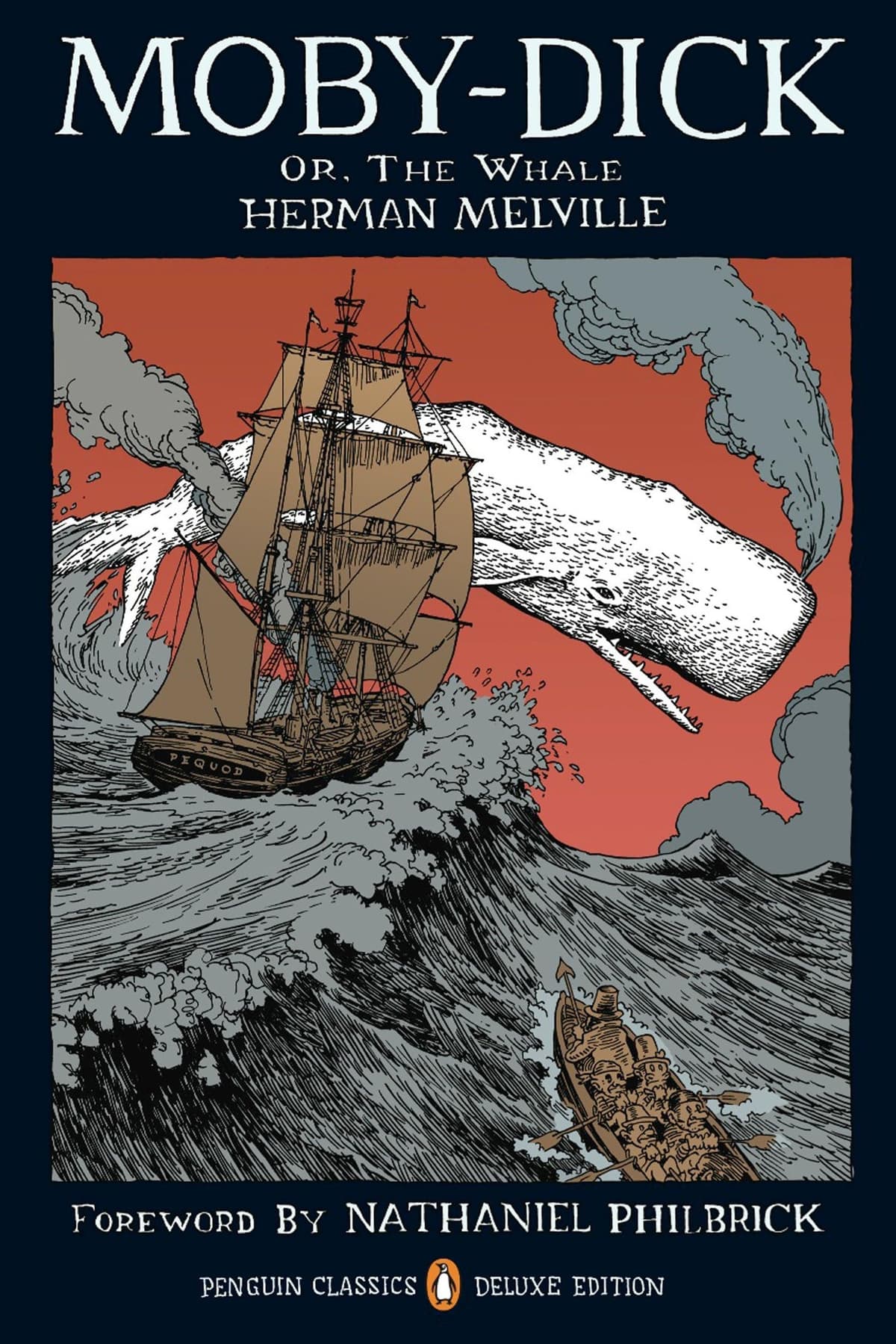 #7View Book
Moby-Dick
Herman Melville
Challenging•20-25 hours #9View Book
Don Quixote
Miguel de Cervantes
High•35-40 hours
Browse more collections