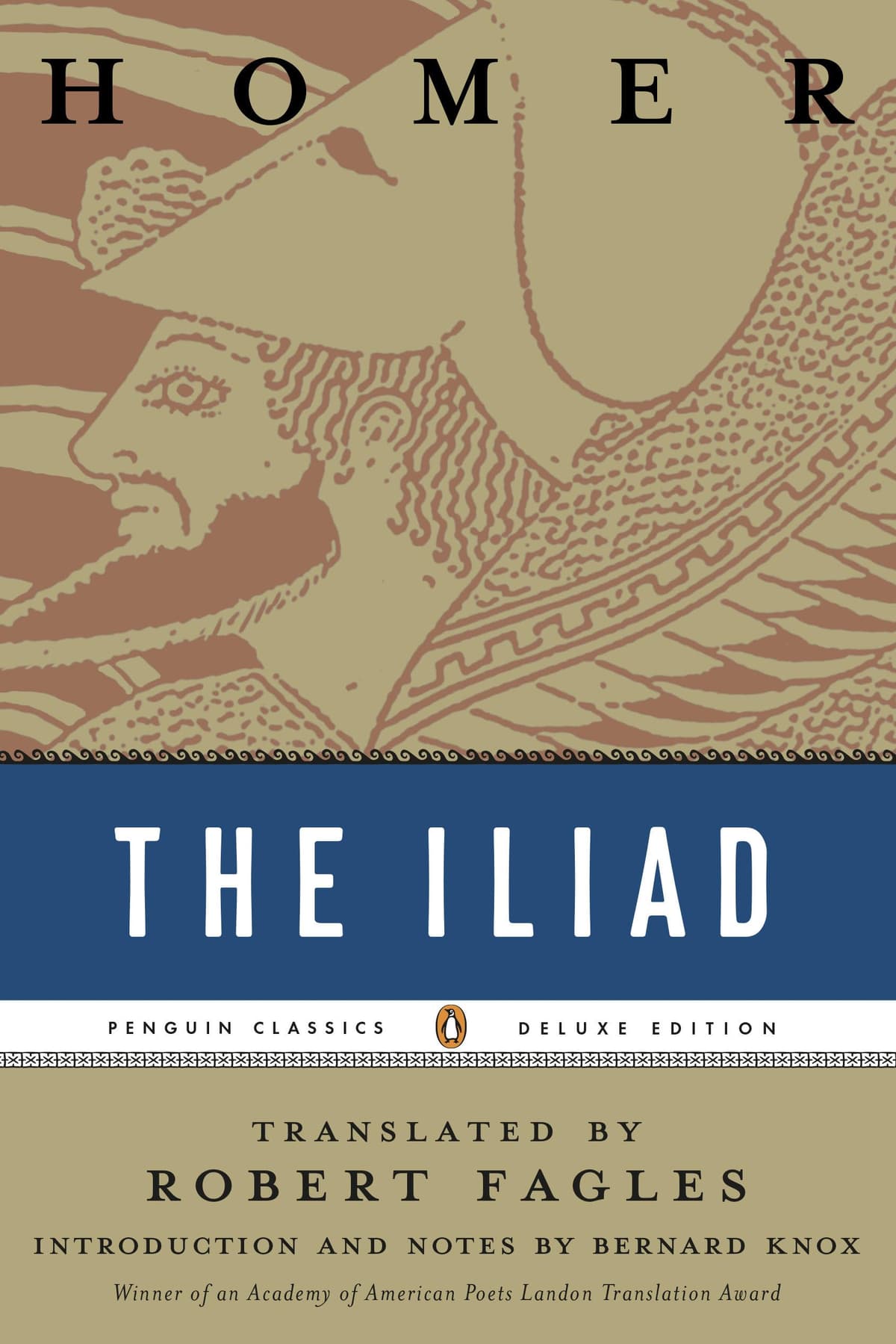
The Iliad
“Sing, O goddess, the anger of Achilles son of Peleus, that brought countless ills upon the Achaeans.”
The Iliad Summary
In the tenth and final year of the siege of Troy, the Greek champion Achilles withdraws from battle in a rage. His commander, Agamemnon, has stolen his war prize—a captive woman named Briseis—and Achilles' wounded pride brings the entire Greek army to the brink of annihilation. As the Trojans surge forward under the leadership of Prince Hector, the gods themselves choose sides, turning the plains before Troy into a cosmic arena.
This is no simple tale of heroes and glory. Homer's Iliad is a meditation on the cost of violence, the weight of mortality, and the terrible beauty of war. Its greatest scenes—Achilles grieving for Patroclus, Hector bidding farewell to his wife and infant son, Priam kneeling to kiss the hands that killed his child—are among the most devastating in all of literature.
Why Read The Iliad?
Everything begins here. The Iliad is the bedrock upon which nearly three thousand years of Western storytelling is built—the original tale of honor, rage, and the human cost of glory. Its influence is inescapable: every war novel, every action film, every story about a hero who must choose between personal desire and duty owes something to Homer.
But what truly astonishes is its humanity. Written in an age of bronze weapons and horse-drawn chariots, the Iliad treats both Greeks and Trojans with equal compassion. It shows us that even our enemies grieve, that even the greatest warrior will die, and that the most heroic act is not killing—but the moment when Achilles returns Hector's body to his father. It is the oldest story in the West, and it still has the power to break your heart.
About Homer
Homer is the legendary blind poet of ancient Greece, traditionally credited with composing the Iliad and the Odyssey sometime in the 8th century BC. Whether Homer was a single author, a name for a tradition, or a mythical figure remains one of the great literary mysteries—the so-called 'Homeric Question.'
What is beyond doubt is the unmatched influence of the works attributed to him. The Greeks considered Homer the educator of all Hellas, and his epics formed the basis of Western education for millennia. His hexameters sang of gods and mortals with a clarity and emotional power that no subsequent poet has surpassed.
Reading Guide
Ranked #37 among the greatest books of all time, The Iliad by Homer has earned its place in the literary canon. Originally written in Ancient Greek and published in c. 8th Century BC, this challenging read from Greece continues to resonate with readers today.
This book belongs to our Epics collection, where you can discover more books that share its spirit and themes.
If you enjoy challenging reads like this one, you might also like Ulysses, Moby-Dick, or Lolita.
From the Epics Collection
If you enjoyed The Iliad, discover more masterpieces that share its spirit.
 #1View Book
Ulysses
James Joyce
Challenging•35-40 hours #5View Book
One Hundred Years of Solitude
Gabriel García Márquez
Moderate•15-20 hours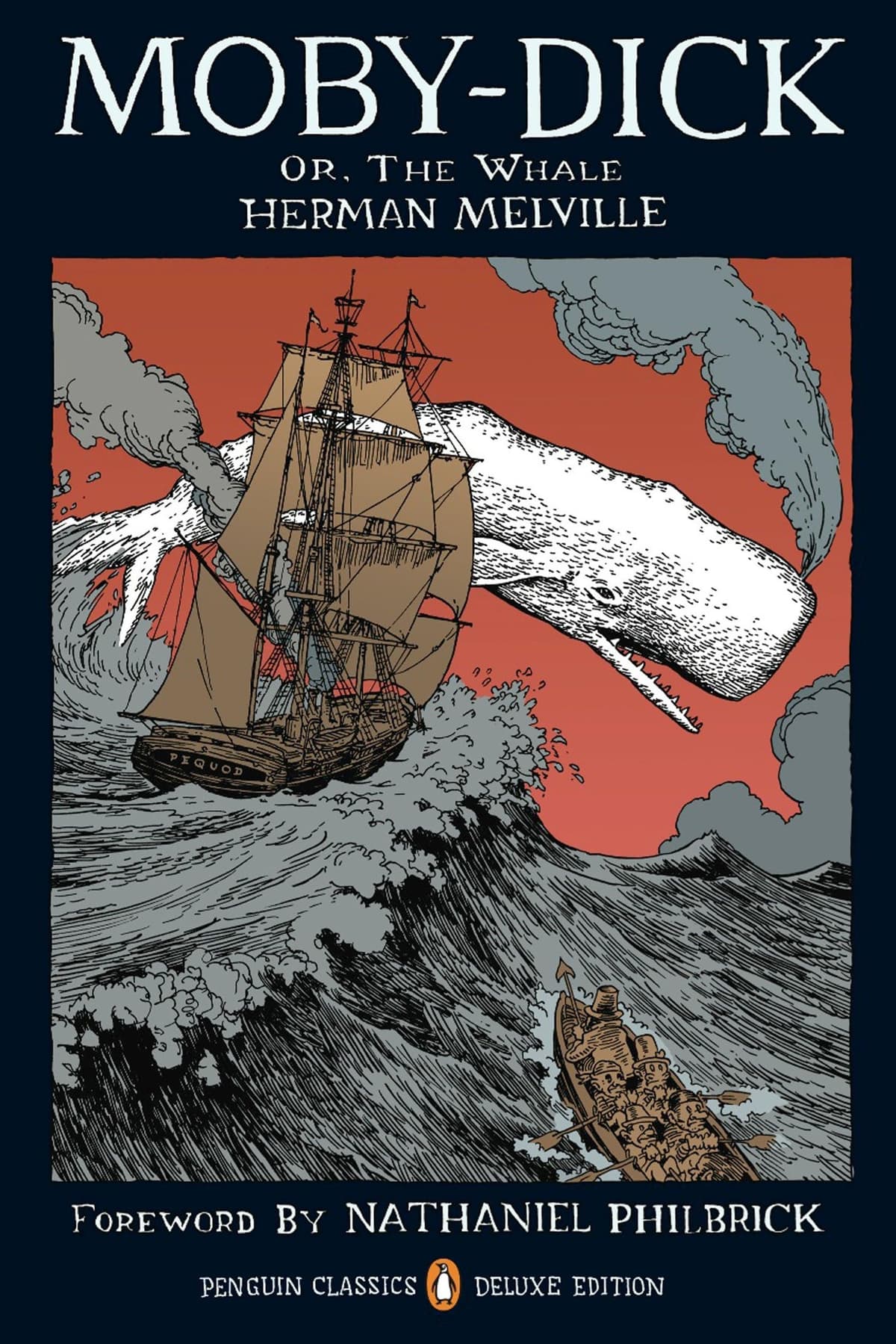 #7View Book
Moby-Dick
Herman Melville
Challenging•20-25 hours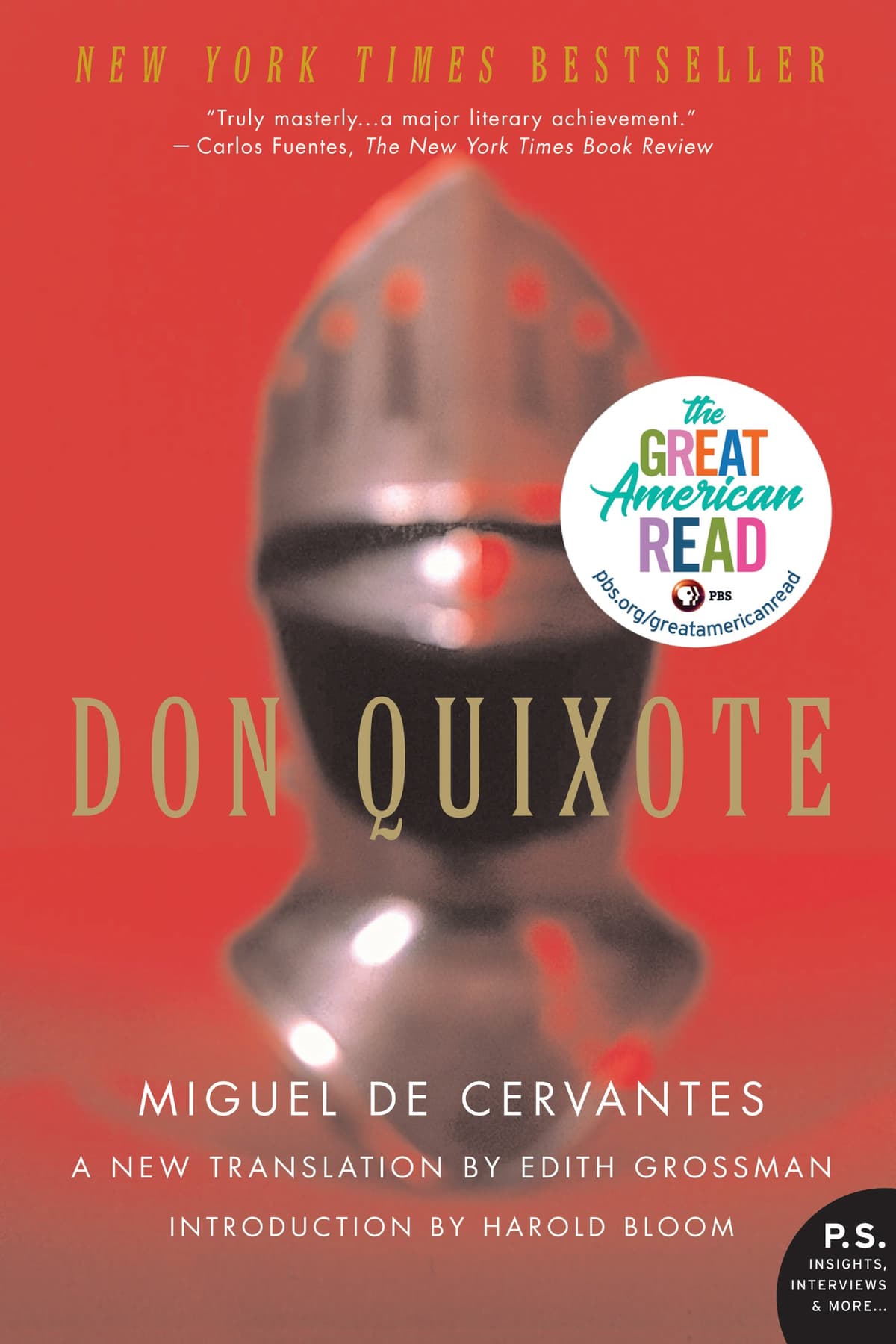 #9View Book
Don Quixote
Miguel de Cervantes
High•35-40 hours
Browse more collections