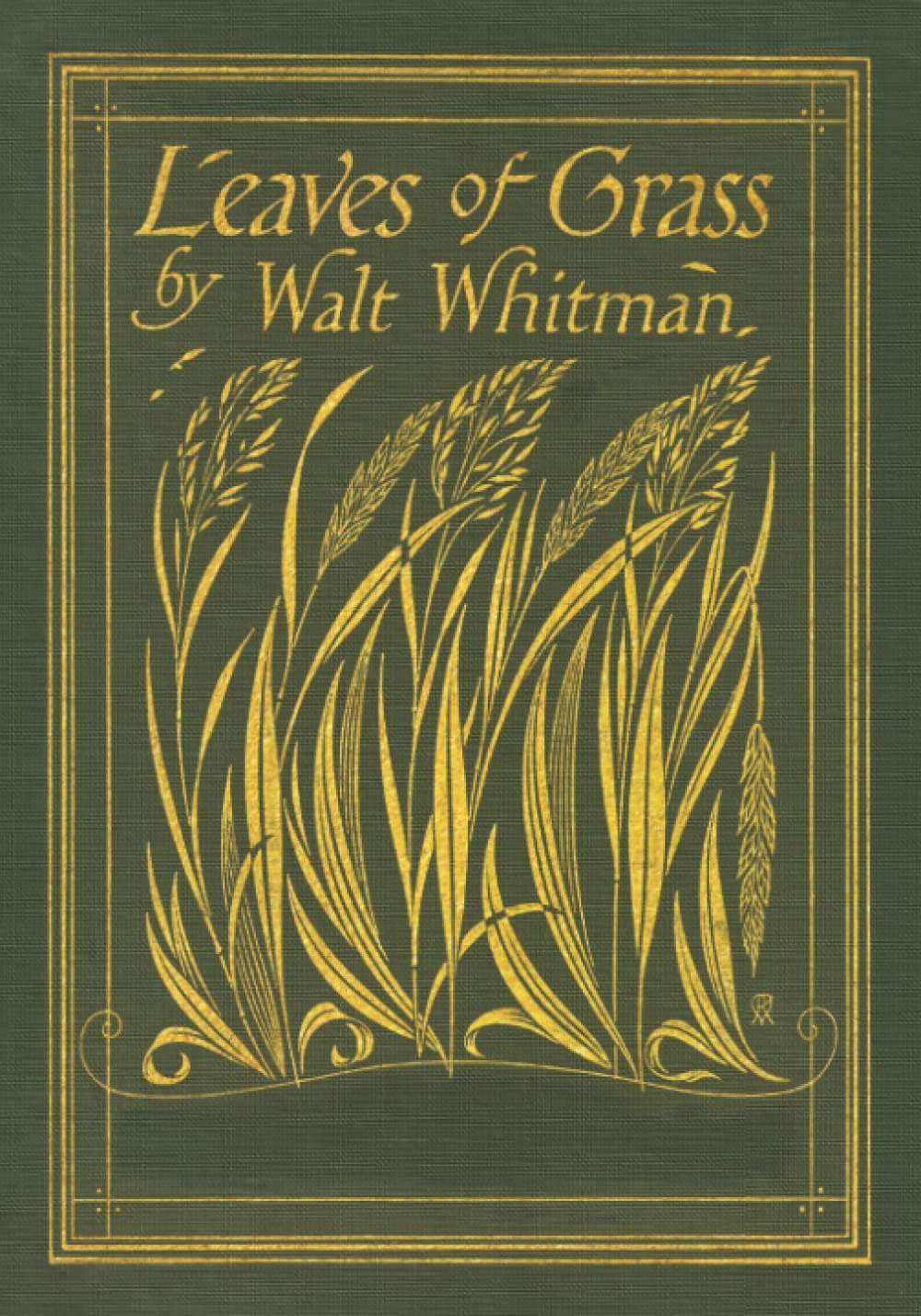
Leaves of Grass
“I am large, I contain multitudes.”
Leaves of Grass Summary
A single volume of poetry that grew over four decades into a cosmos. Walt Whitman published the first edition of Leaves of Grass in 1855 with twelve untitled poems and a preface that declared the arrival of a new kind of American poet. By the final edition of 1891, the book had swelled to nearly four hundred poems, encompassing everything from the grass beneath your feet to the stars wheeling overhead, from the body electric to the soul immortal.
Whitman threw out meter, threw out rhyme, threw out the polite conventions of Victorian verse, and invented a long-lined, cadenced free verse that could contain multitudes. He sang of laborers and prostitutes, of battlefields and ferry crossings, of death and democracy and the smell of his own armpits. The result is not merely a book of poems but a new scripture for a nation still inventing itself—ecstatic, sprawling, and breathtakingly intimate.
Why Read Leaves of Grass?
Before Whitman, American poetry was a polite echo of English verse. After Whitman, it was something entirely new—raw, muscular, democratic, and unashamed. Leaves of Grass is the Big Bang of American literature, the moment a country found its own voice. Every poet who followed, from Langston Hughes to Allen Ginsberg to Mary Oliver, wrote in the space Whitman opened.
But this is not a museum piece. Open Leaves of Grass at any page and the voice that speaks to you is shockingly alive—celebrating the body, insisting on equality, reaching across time to grip you by the shoulder and say: you are enough. Whitman's radical empathy, his refusal to exclude anyone from the American song, makes this collection more urgent today than ever. It is the poetry of a nation's best self.
About Walt Whitman
Walt Whitman (1819–1892) was born on Long Island, grew up in Brooklyn, and spent his early career as a journalist, printer, and schoolteacher. In 1855, he self-published the first edition of Leaves of Grass, typesetting some of the pages himself. Ralph Waldo Emerson greeted the book as the beginning of a great career; most reviewers were scandalized by its frank sexuality and radical form.
Whitman spent the Civil War as a volunteer nurse in Washington's army hospitals, an experience that deepened his poetry immeasurably. He revised and expanded Leaves of Grass for the rest of his life, transforming it from a slim pamphlet into an epic testament. He is the father of American poetry, and his influence is immeasurable.
Reading Guide
Ranked #66 among the greatest books of all time, Leaves of Grass by Walt Whitman has earned its place in the literary canon. Originally written in English and published in 1855, this moderate read from United States continues to resonate with readers today.
This book belongs to our American Spirit and Epics collections, where you can discover more books that share its spirit and themes.
If you enjoy moderate reads like this one, you might also like One Hundred Years of Solitude, Nineteen Eighty-Four, or Wuthering Heights.
From the American Spirit Collection
If you enjoyed Leaves of Grass, discover more masterpieces that share its spirit.
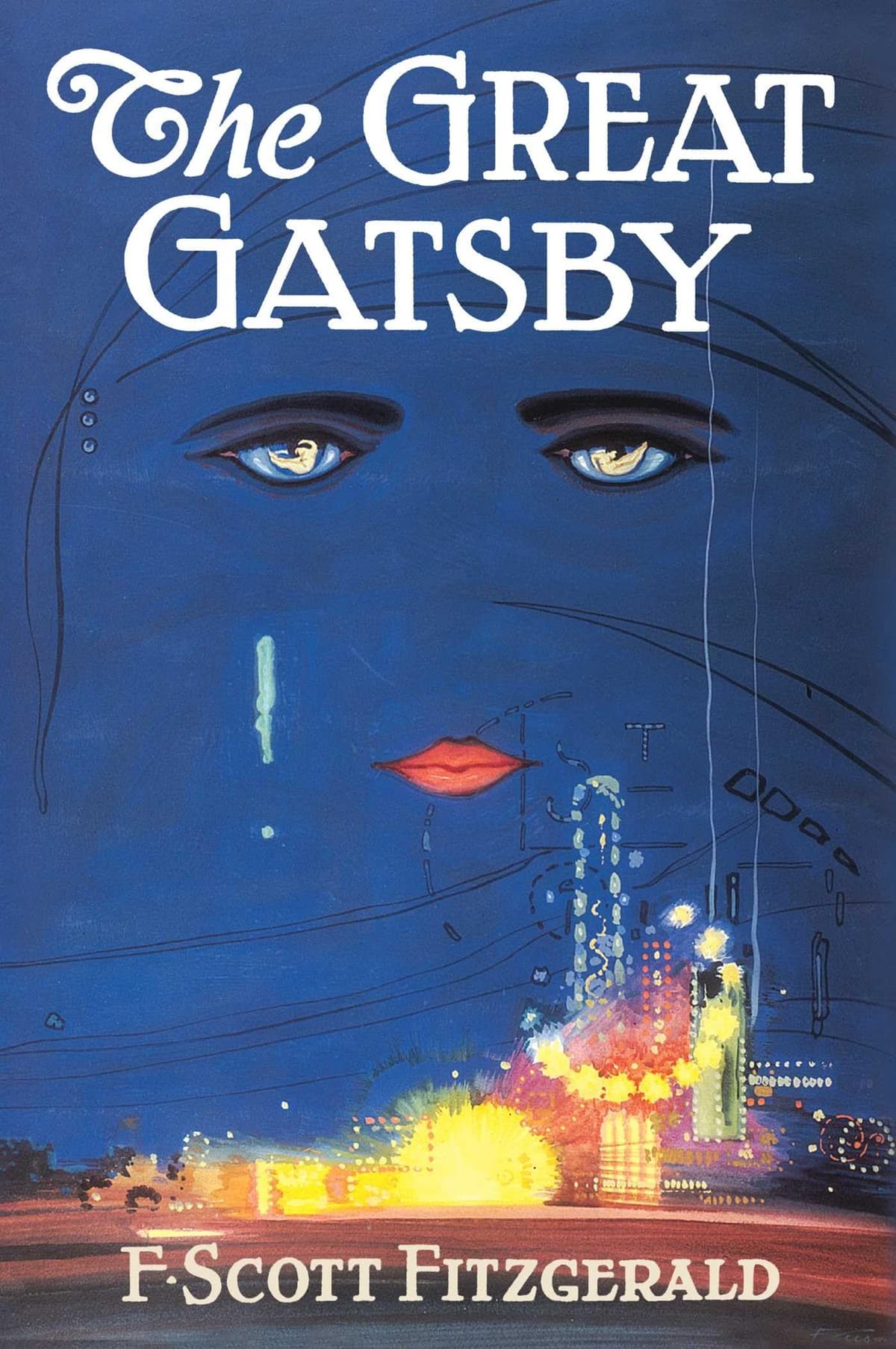 #3View Book
The Great Gatsby
F. Scott Fitzgerald
Accessible•5-6 hours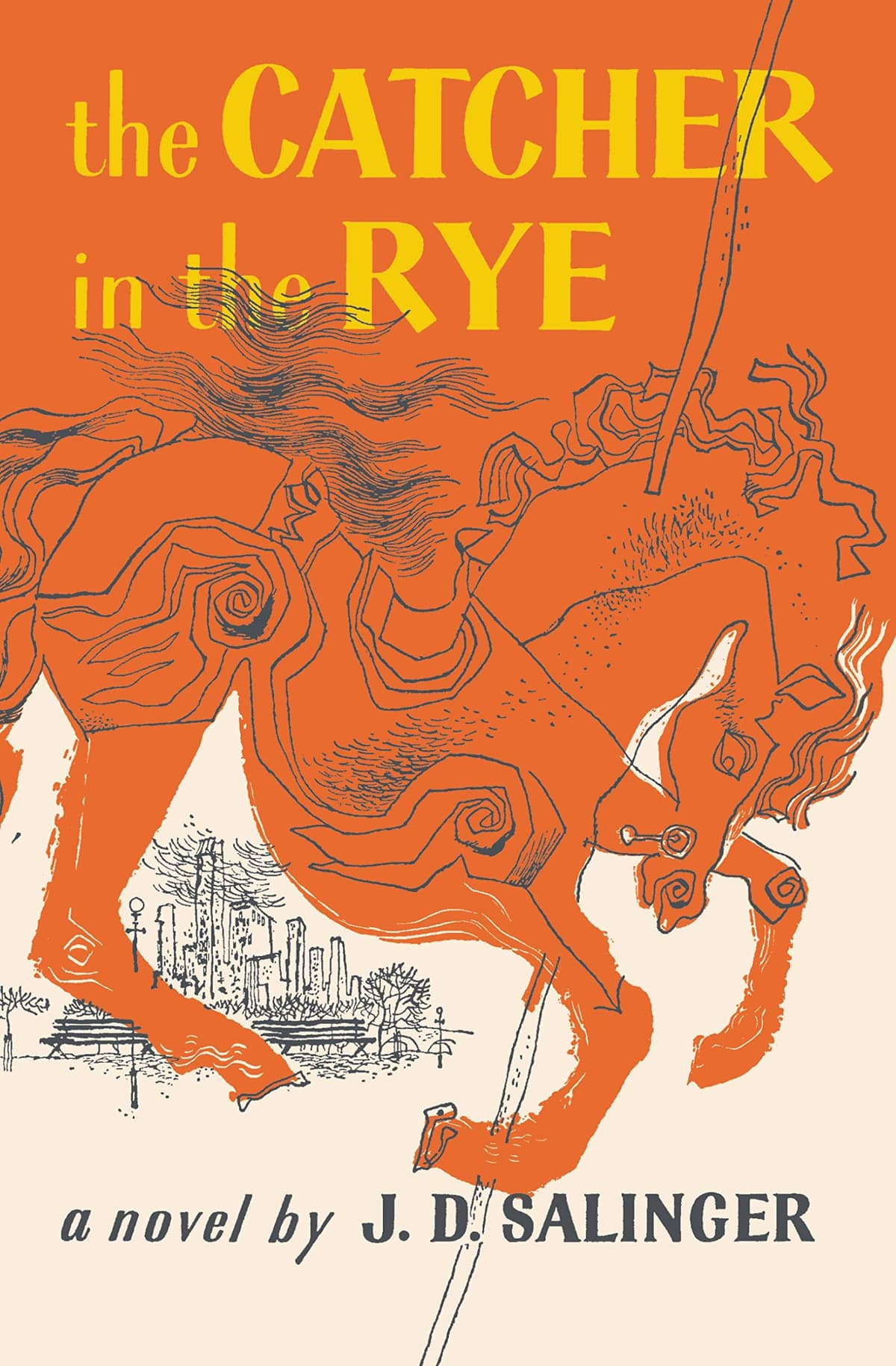 #4View Book
The Catcher in the Rye
J. D. Salinger
Accessible•6-8 hours #13View Book
Lolita
Vladimir Nabokov
Challenging•12-15 hours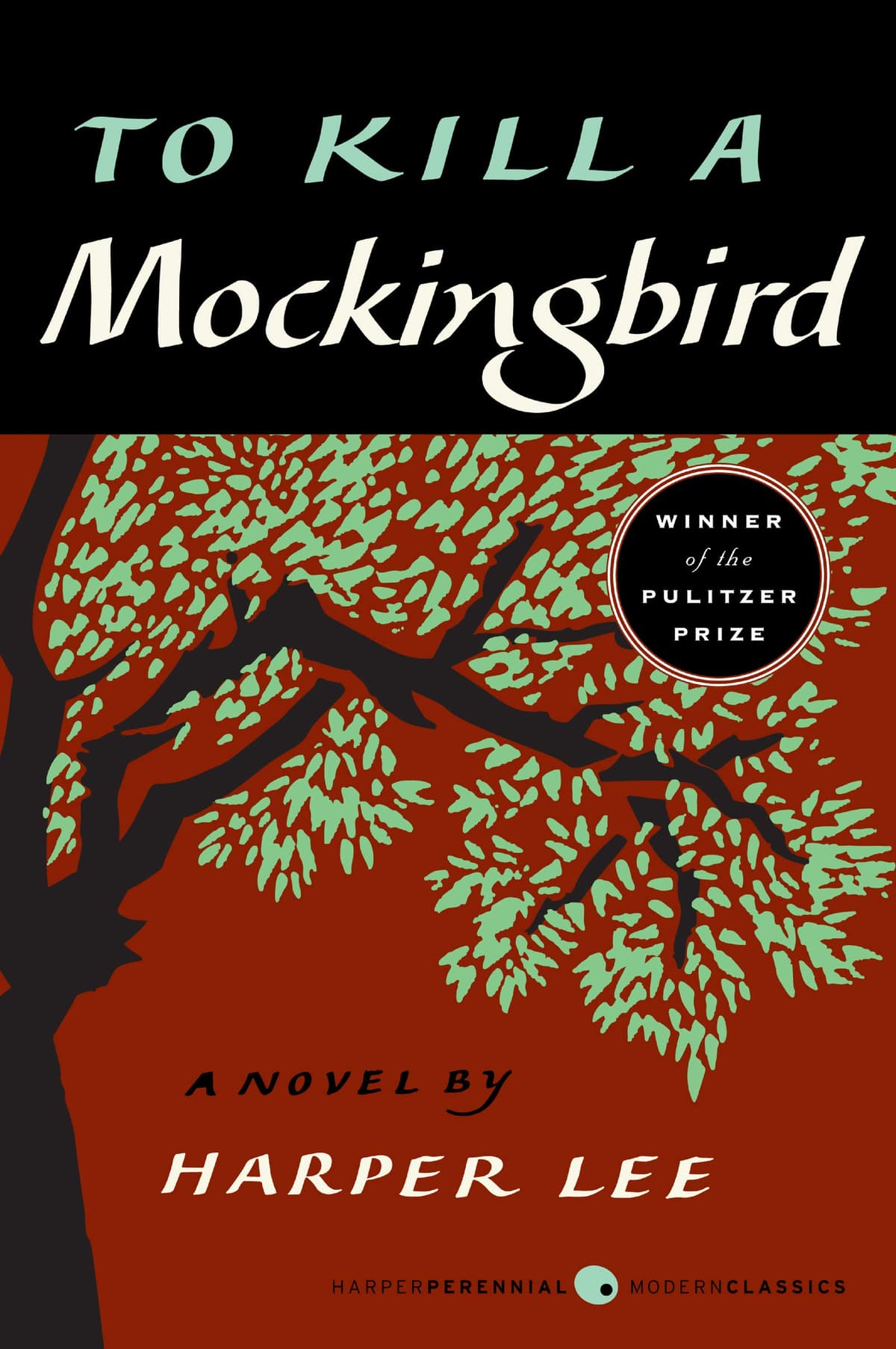 #17View Book
To Kill a Mockingbird
Harper Lee
Accessible•8-10 hours
Browse more collections