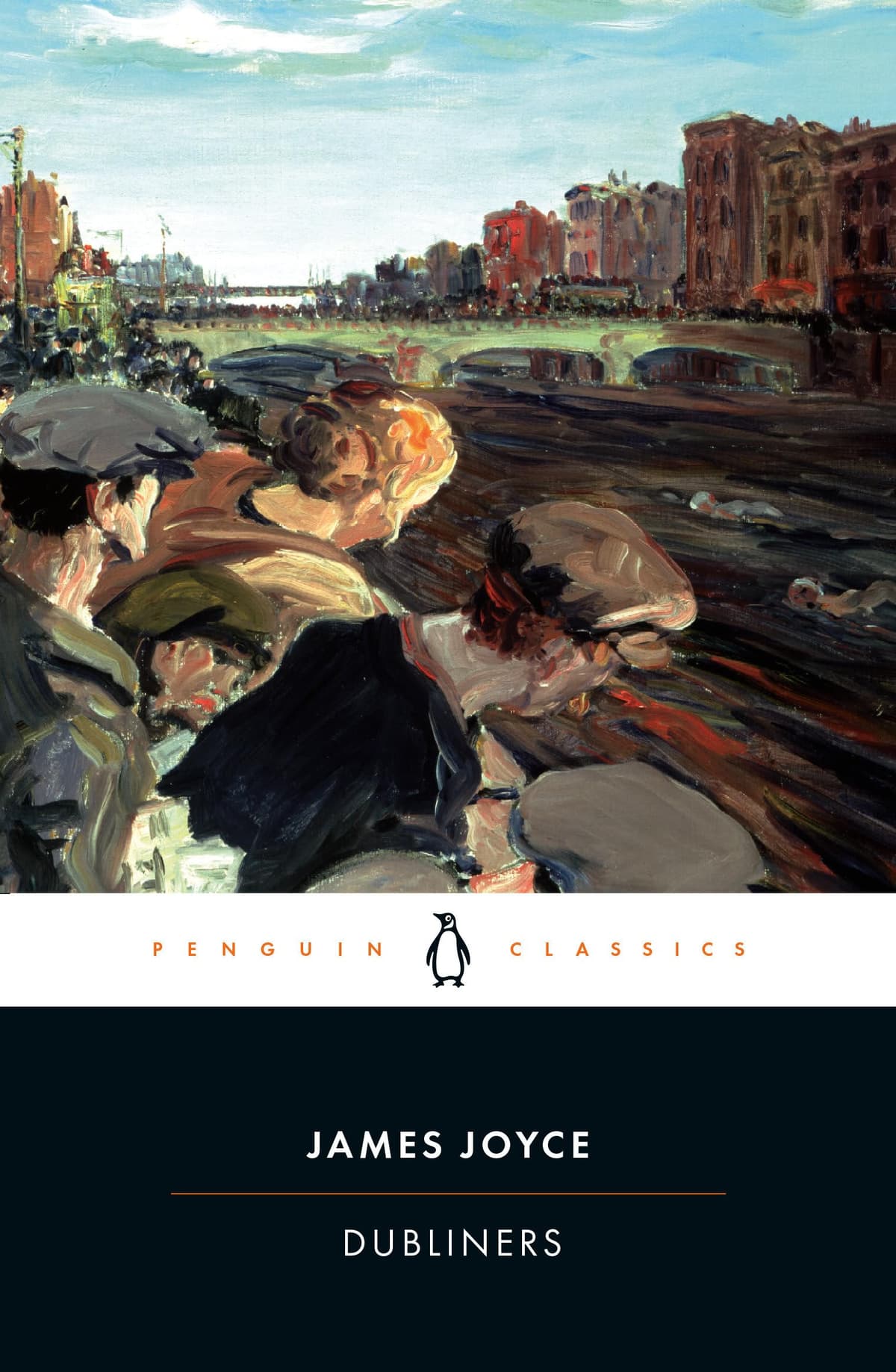
Journey to the West
“Even a thunder clap is useless against a man who does not startle.”
Journey to the West Summary
The Tang dynasty monk Xuanzang sets out on a pilgrimage to India to retrieve sacred Buddhist scriptures, accompanied by three supernatural disciples recruited along the way: Sun Wukong, the Monkey King, a shape-shifting, cloud-riding trickster of immense power who was born from a stone and once wreaked havoc in Heaven itself; Zhu Bajie, the lustful, gluttonous pig-spirit; and Sha Wujing, the taciturn river-demon. Together they face eighty-one trials across a fantastical landscape teeming with demons, seductive spirits, treacherous kings, and celestial bureaucrats. Sun Wukong, irrepressible and endlessly resourceful, battles his way through most obstacles with his magic staff and seventy-two transformations, while the pious but helpless Xuanzang is captured, threatened with consumption, and nearly devoured in almost every chapter. The Bodhisattva Guanyin oversees the journey from above, and the Buddha himself waits at its end.
Wu Cheng'en's sixteenth-century masterpiece is one of the four great classical novels of Chinese literature and among the most exuberant works of narrative fiction ever created. It operates simultaneously as a comic adventure, a Buddhist allegory of spiritual purification, a Taoist parable of self-cultivation, and a satire of imperial bureaucracy. The Monkey King is one of literature's supreme creations: anarchic, vain, loyal, and irresistible, a figure who has permeated every corner of East Asian culture for centuries. The novel's episodic structure, its inexhaustible inventiveness, and its seamless blending of the sacred and the absurd make it a reading experience of pure, undiminished delight.
Why Read Journey to the West?
Journey to the West is one of the most purely enjoyable reading experiences in all of world literature. The Monkey King, Sun Wukong, is a character of such boundless energy and charisma that he has captivated readers for over four centuries and inspired countless adaptations across every medium imaginable. His irreverence, his cunning, his loyalty, and his gradual transformation from celestial rebel to enlightened protector constitute one of fiction's great character arcs. And the world he moves through, a China of demon-infested mountains, underwater palaces, and heavenly courts staffed by petty divine functionaries, is rendered with an inventiveness that never flags across the novel's enormous length.
Beyond the sheer pleasure of its storytelling, Journey to the West offers a profound meditation on the relationship between discipline and freedom, between the wild energies of the ego and the hard work of spiritual cultivation. It is the foundational text for understanding East Asian narrative traditions, and its influence on everything from anime to martial arts cinema to contemporary fantasy is immeasurable. Whether you read it for its comedy, its philosophy, or its boundless imagination, this is a book that expands your sense of what fiction can do.
About Wu Cheng'en
Wu Cheng'en was born around 1500 in Huai'an, in what is now Jiangsu Province, China, during the Ming dynasty. Little is known with certainty about his life. He came from a family of modest means, displayed literary talent from an early age, and reportedly struggled for decades to pass the imperial examinations that would have secured him a prestigious government post. He eventually held minor official positions but never achieved the political success his talents might have warranted, spending much of his life in relative obscurity.
The attribution of Journey to the West to Wu Cheng'en, while widely accepted, was not established until the twentieth century. The novel, published anonymously around 1592, draws on centuries of accumulated folklore, Buddhist scripture, and earlier literary versions of the Xuanzang pilgrimage legend. Wu's genius lay in synthesizing these disparate traditions into a unified masterpiece of comic imagination and spiritual allegory. Journey to the West stands alongside Dream of the Red Chamber, Romance of the Three Kingdoms, and Water Margin as one of the four great classical novels of Chinese literature, and its most famous creation, the Monkey King, has become one of the most recognizable figures in world culture.
Reading Guide
Ranked #350 among the greatest books of all time, Journey to the West by Wu Cheng'en has earned its place in the literary canon. Originally written in Chinese and published in 1592, this challenging read from China continues to resonate with readers today.
This book belongs to our Epics and Philosophy & Faith collections, where you can discover more books that share its spirit and themes.
If you enjoy challenging reads like this one, you might also like Ulysses, Moby-Dick, or Lolita.
From the Epics Collection
If you enjoyed Journey to the West, discover more masterpieces that share its spirit.
 #1View Book
Ulysses
James Joyce
Challenging•35-40 hours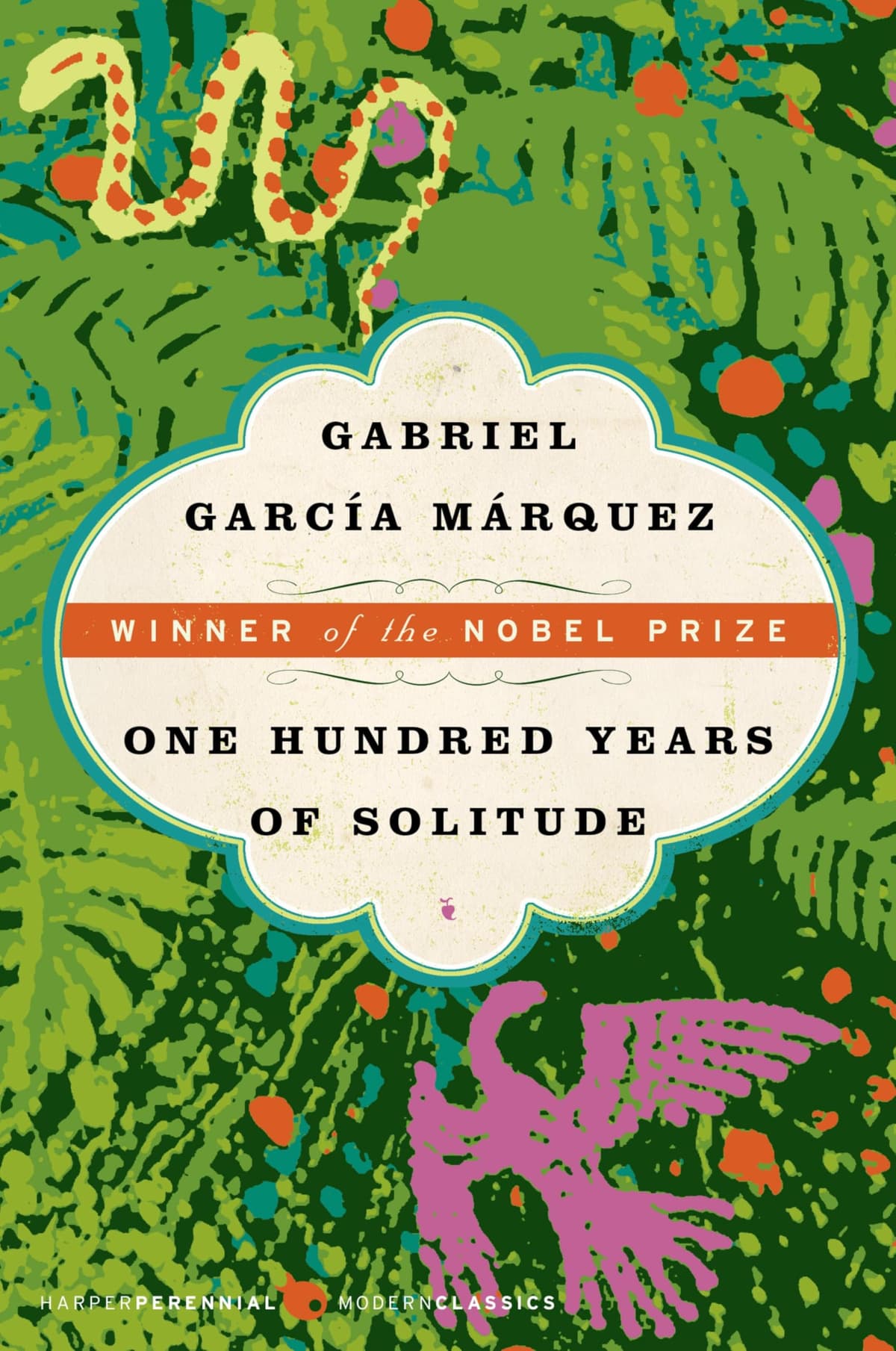 #5View Book
One Hundred Years of Solitude
Gabriel García Márquez
Moderate•15-20 hours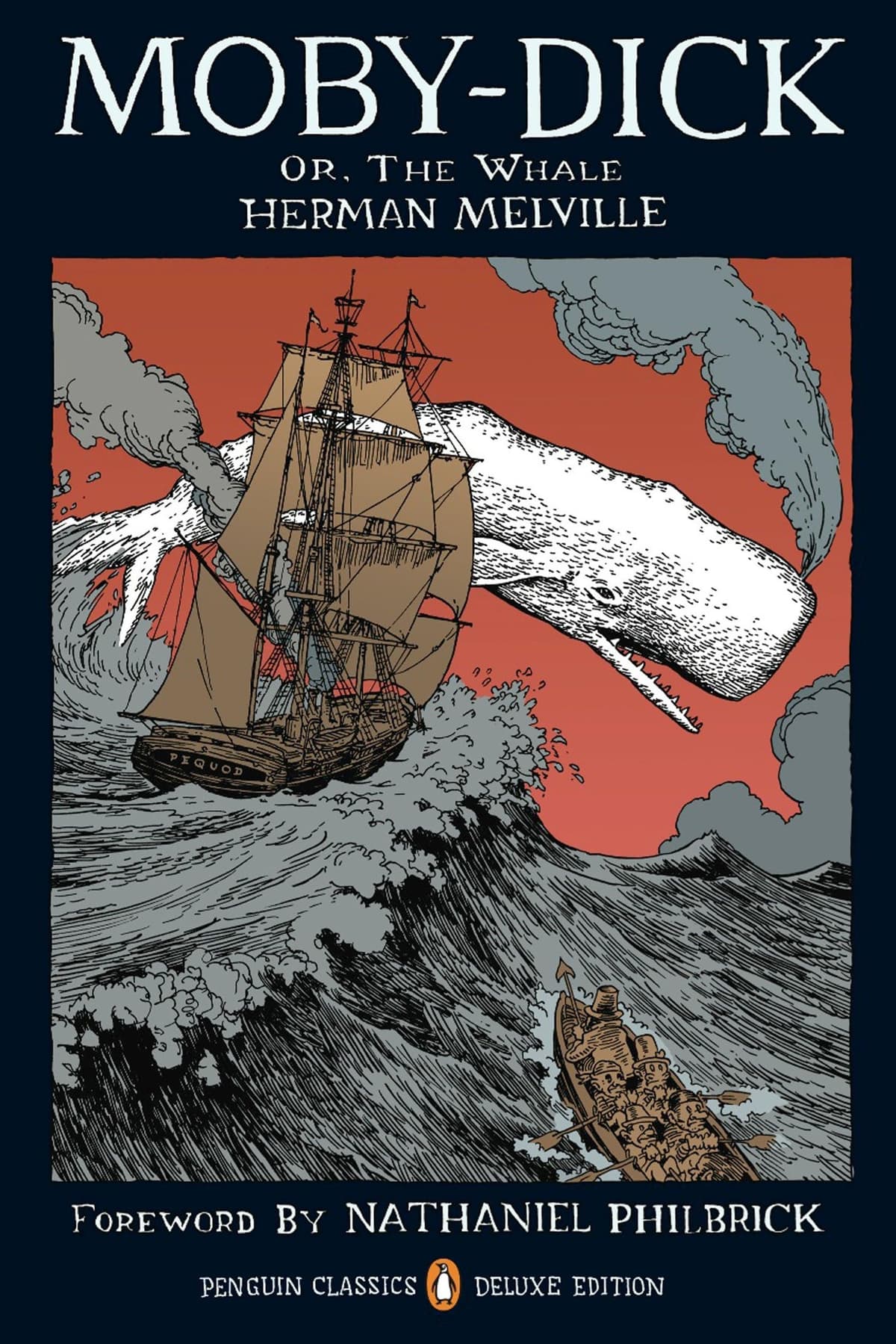 #7View Book
Moby-Dick
Herman Melville
Challenging•20-25 hours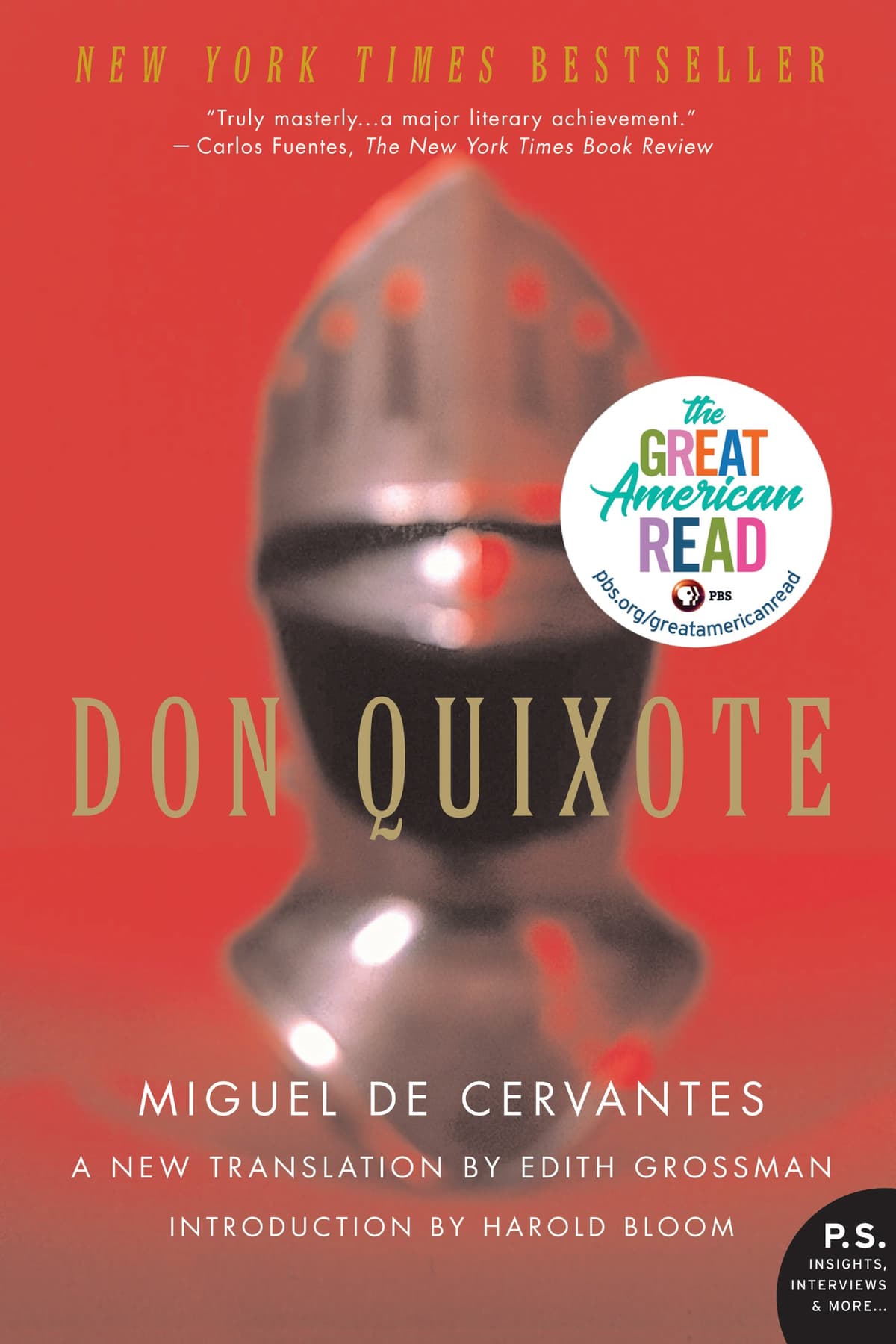 #9View Book
Don Quixote
Miguel de Cervantes
High•35-40 hours
Browse more collections