Household Tales
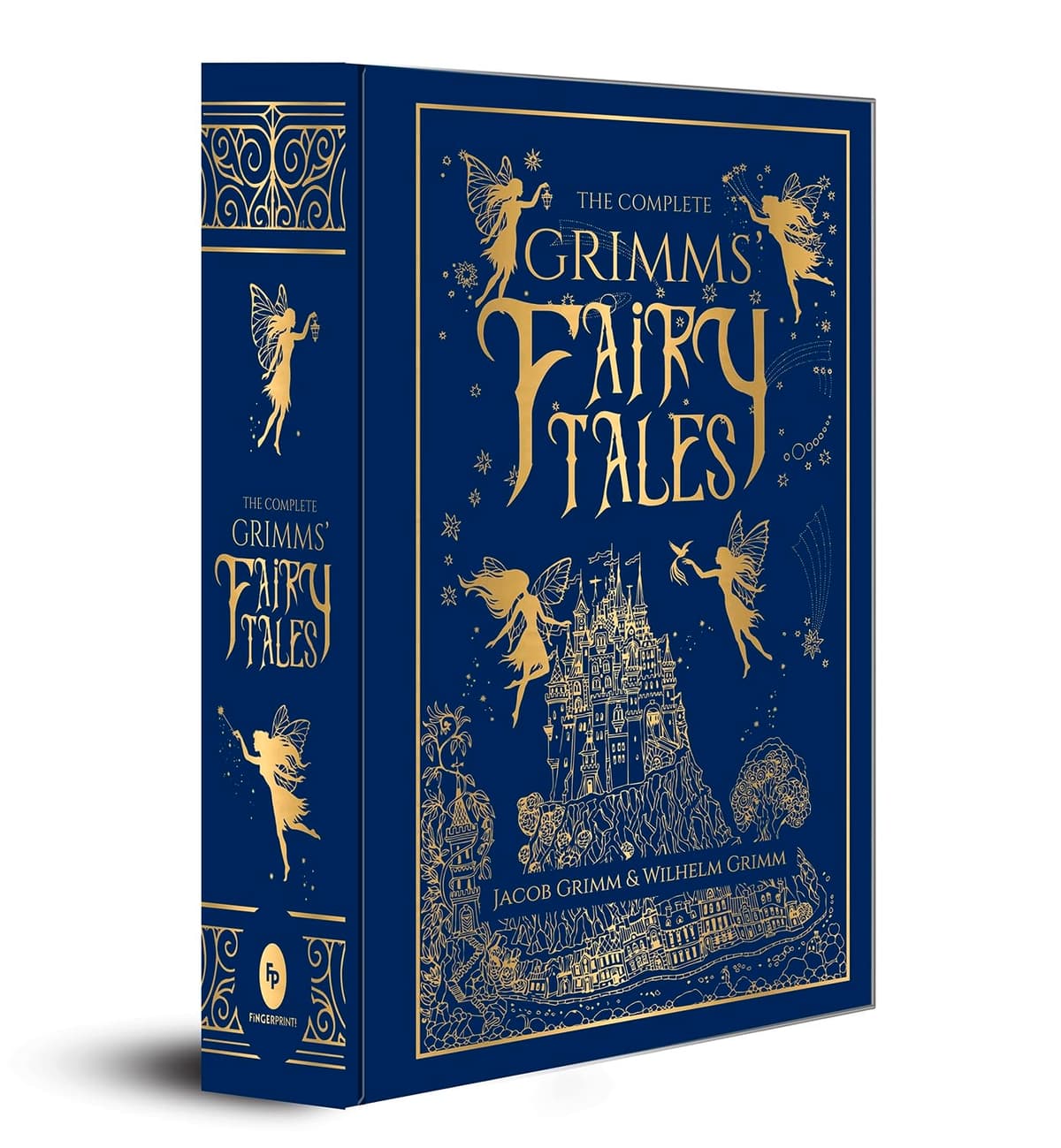
“All good things come in threes.”
Household Tales Summary
Household Tales gathers over two hundred stories drawn from the German oral tradition, ranging from the familiar journeys of Cinderella, Snow White, and Hansel and Gretel to lesser-known tales of cunning animals, enchanted forests, and resourceful peasants. In these narratives, youngest sons outsmart giants, stepmothers weave dark spells, and golden-haired princesses sleep behind walls of thorns. Characters descend into wells that open onto magical kingdoms, strike bargains with mysterious little men, and navigate a world where fortune can shift with the utterance of a single word. The tales move swiftly and decisively, their sparse prose carrying an almost incantatory rhythm that mirrors the fireside settings in which they were originally told.
Beneath the surface enchantment lies a remarkably consistent moral architecture. Kindness is rewarded and cruelty punished, yet the punishments can be startlingly severe, reminding readers that these stories emerged from a culture that did not shield children from the harder truths of existence. Themes of transformation pervade the collection: frogs become princes, beasts become bridegrooms, and ashes give way to ballgowns, suggesting that identity is fluid and redemption always possible. The Grimms' work preserves not merely entertainment but an entire worldview rooted in the rhythms of agrarian life, family loyalty, and the tension between civilization and the wild. Household Tales remains one of the most influential literary collections ever assembled, shaping the Western imagination's understanding of what a story can be and establishing archetypes that continue to resonate across every medium of storytelling.
Why Read Household Tales?
Few books have burrowed so deeply into the collective unconscious as this one. Before Disney, before modern fantasy, before the very concept of children's literature as a genre, the Brothers Grimm set down the stories that would become the bedrock of Western narrative. Reading Household Tales in its original literary form reveals a world far richer and stranger than any sanitized adaptation. These are stories with teeth, where forests are genuinely dark and bargains carry real consequences.
Beyond their entertainment value, these tales offer a masterclass in narrative economy. Each story distills a complex human truth into a few swift pages, using symbol and archetype with a precision that modern writers still study. Whether you come to understand the roots of fantasy literature, to explore the psychology of folklore, or simply to rediscover the primal pleasure of a story told with conviction, Household Tales delivers. It is the headwaters of an enormous river, and knowing these original versions transforms your understanding of every fairy tale retelling that followed.
About Brothers Grimm
Jacob Grimm (1785-1863) and Wilhelm Grimm (1786-1859) were German academics, linguists, and cultural researchers born in Hanau, Germany. Inseparable throughout their lives, they studied law at the University of Marburg before turning their attention to Germanic philology and folklore. Beginning in 1806, they collected stories from friends, acquaintances, and rural storytellers across the German-speaking lands, publishing the first volume of their Kinder- und Hausmarchen in 1812. Jacob simultaneously pursued groundbreaking work in linguistics, formulating Grimm's Law, which described systematic sound shifts in Indo-European languages.
The brothers revised and expanded their tale collection through seven editions, progressively softening some of the harsher elements for a growing audience of family readers. Beyond folklore, they embarked on the monumental Deutsches Worterbuch, a comprehensive German dictionary that would not be completed until over a century after their deaths. Their dual legacy as folklorists and linguists is unmatched: they essentially invented the modern study of folklore, inspired nationalist cultural movements across Europe, and provided the source material for countless adaptations in literature, film, opera, and popular culture. Their tales have been translated into over 160 languages, making Household Tales one of the most widely read books in human history.
Reading Guide
Ranked #316 among the greatest books of all time, Household Tales by Brothers Grimm has earned its place in the literary canon. Originally written in German and published in 1812, this accessible read from Germany continues to resonate with readers today.
This book belongs to our Magical Realism collection, where you can discover more books that share its spirit and themes.
If you enjoy accessible reads like this one, you might also like The Great Gatsby, The Catcher in the Rye, or Pride and Prejudice.
From the Magical Realism Collection
If you enjoyed Household Tales, discover more masterpieces that share its spirit.
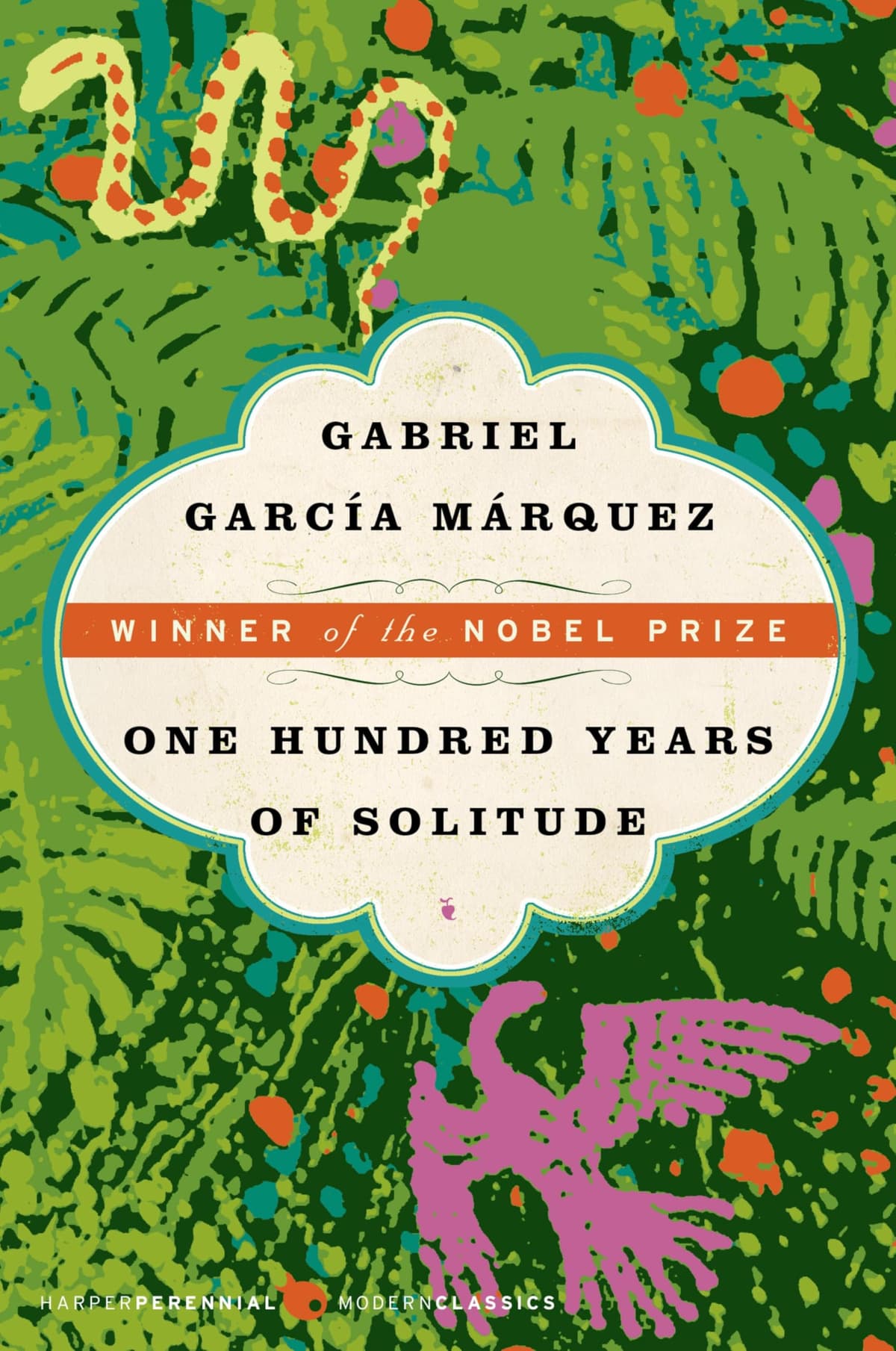 #5View Book
One Hundred Years of Solitude
Gabriel García Márquez
Moderate•15-20 hours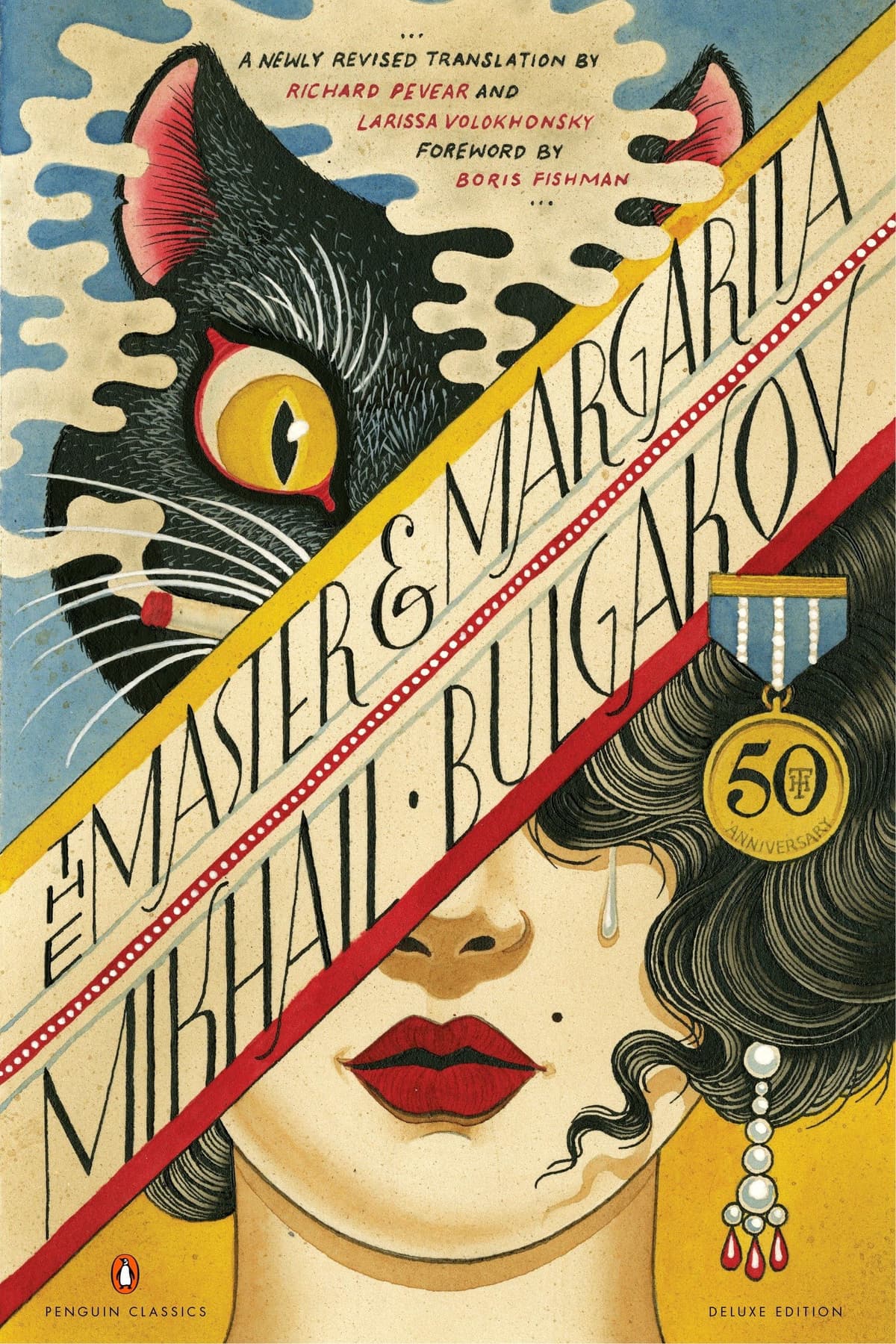 #34View Book
The Master and Margarita
Mikhail Bulgakov
Moderate•12-15 hours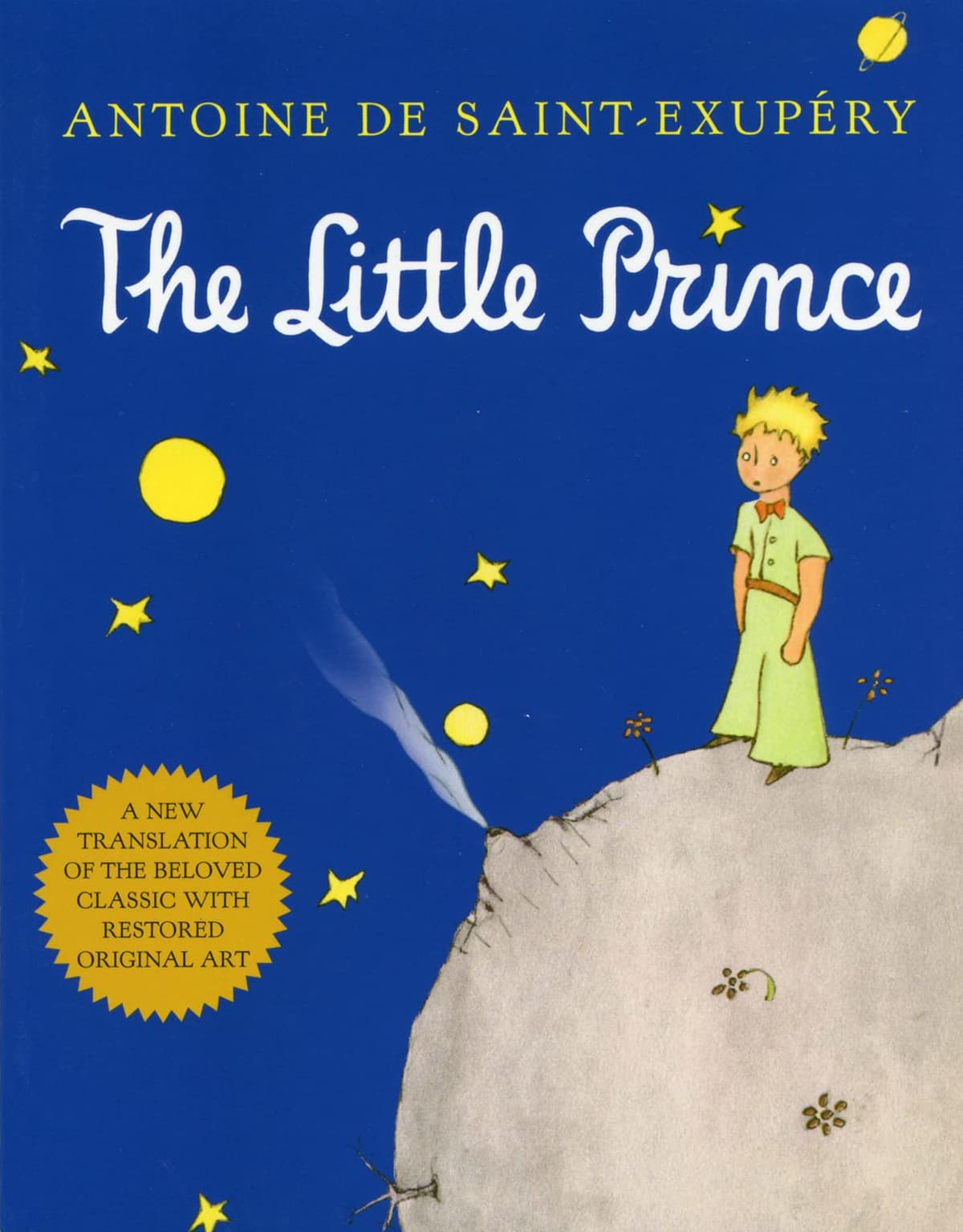 #43View Book
The Little Prince
Antoine de Saint-Exupéry
Accessible•1-2 hours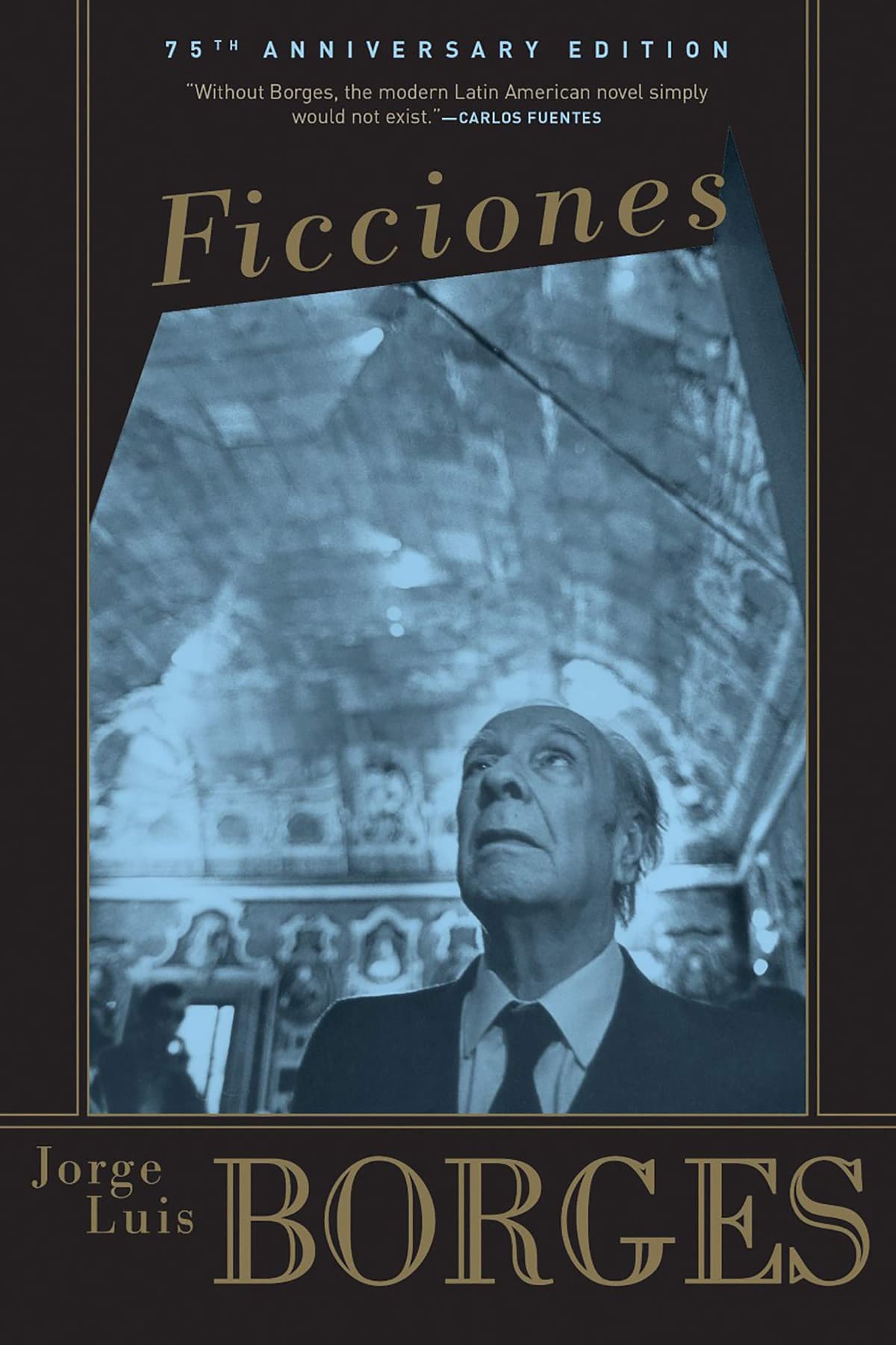 #45View Book
Fictions
Jorge Luis Borges
Challenging•6-8 hours
Browse more collections