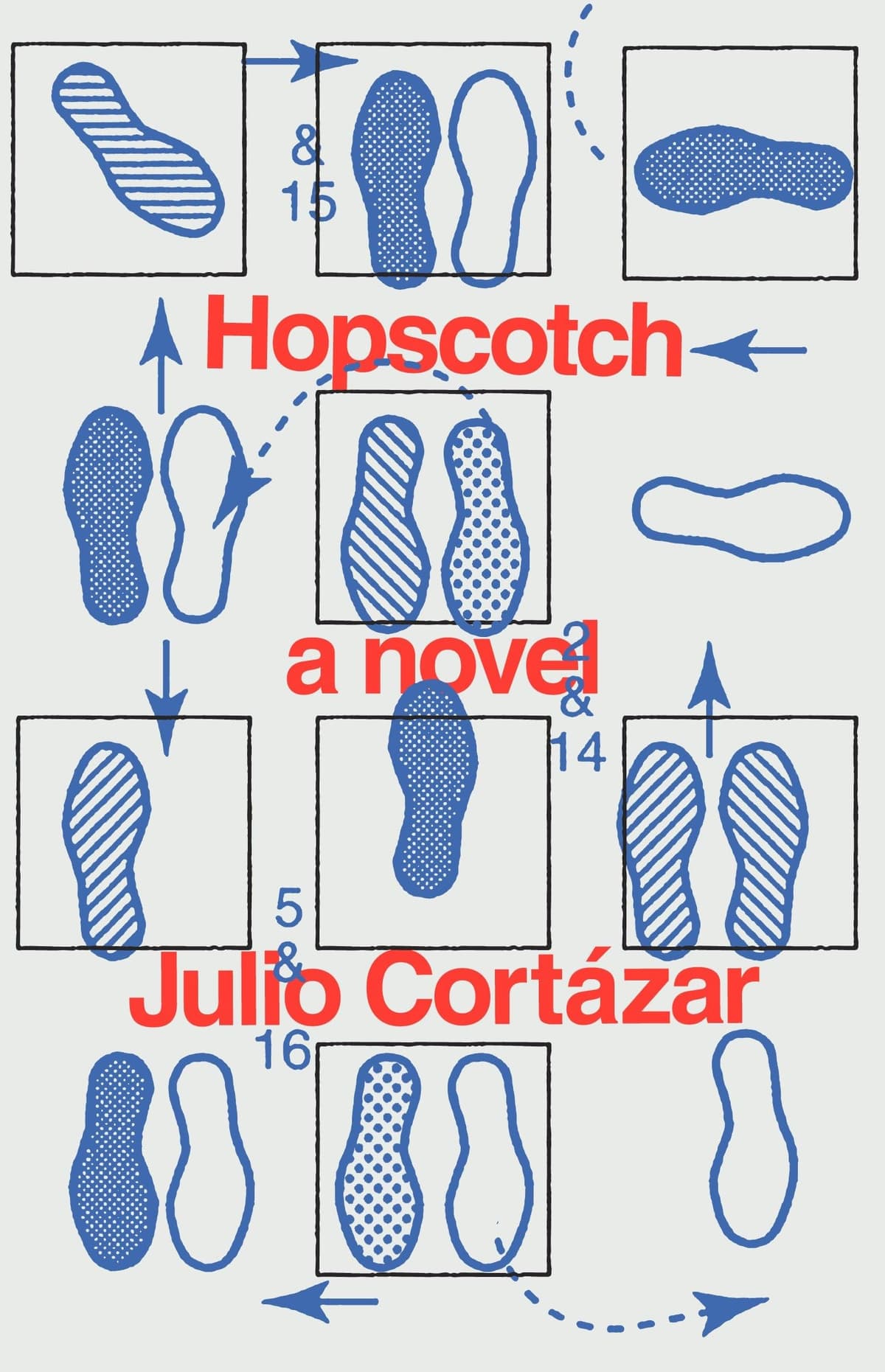
Hopscotch
“In quoting others, we cite ourselves.”
Hopscotch Summary
Hopscotch shatters the conventional novel into a kaleidoscope of possibilities, inviting the reader to assemble its pieces in multiple orders. At its center is Horacio Oliveira, an Argentine intellectual adrift in Paris among a circle of bohemian friends who call themselves the Serpent Club. They drink, argue about jazz and philosophy, wander the streets at night, and pursue revelations that hover perpetually just out of reach. Oliveira's relationship with La Maga—a Uruguayan woman of instinctive, uncomplicated feeling who seems to possess effortlessly the authenticity he desperately seeks—is the novel's emotional core. When tragedy strikes and their relationship disintegrates, Oliveira returns to Buenos Aires, where he takes up with his old friend Traveler and Traveler's wife Talita, working first in a circus and then in an insane asylum, spiraling toward a crisis that may be madness, enlightenment, or both. The novel's famous structure offers two primary reading paths: the first 36 chapters in order, or an alternative sequence that weaves in 99 "expendable" chapters of collage, commentary, and metafictional fragments.
Julio Cortázar's masterpiece is the great novel of the Latin American Boom's experimental wing—a work that interrogates not just its characters but the very act of reading and the possibility of authentic experience in a world saturated with intellect and convention. Its jazz-inflected prose swings between lyrical beauty and philosophical density, between tenderness and savage irony. Cortázar raises the question of whether literature can break through the habits of perception that imprison us, and his answer is the novel itself: a structure that forces the reader into active collaboration, transforming the passive consumer of narrative into a fellow seeker. Hopscotch remains one of the most inventive and exhilarating novels of the twentieth century.
Why Read Hopscotch?
Hopscotch is one of those novels that changes what you think a novel can be. Cortázar does not simply tell a story—he hands you the pieces of one and dares you to assemble them, making you an active participant in the creation of meaning rather than a passive consumer. The experience of reading it, especially along the alternate path that leaps between chapters according to a table of instructions, is genuinely thrilling: you feel the boundaries between author, reader, and text dissolving, and the result is a freedom and immediacy that conventional narrative cannot achieve. The Paris sections pulse with the energy of late-night jazz, philosophical argument, and the ache of a love affair between two people who see the world in incompatible ways.
Beyond its structural innovation, Hopscotch is a deeply moving novel about the search for authenticity in a world that seems designed to prevent it. Oliveira's restless intellectualism, his desperate desire to break through to some reality beneath the surface of habit and convention, is rendered with such intensity that it becomes your own. And La Maga—spontaneous, present, heartbreakingly real—embodies everything Oliveira seeks and cannot hold. If you are tired of novels that do your thinking for you, if you believe that reading should be an adventure rather than a transaction, Hopscotch is the book that will make you fall in love with literature all over again.
About Julio Cortázar
Julio Cortázar was born in 1914 in Brussels to Argentine parents and grew up in a suburb of Buenos Aires. He worked as a schoolteacher and translator before his first short stories attracted the attention of Jorge Luis Borges, who published his story "House Taken Over" in a literary journal. Increasingly opposed to the Perón government, Cortázar moved to Paris in 1951, where he would live for the rest of his life, working as a translator for UNESCO while producing a torrent of fiction that reshaped Latin American literature.
Hopscotch, published in 1963, established Cortázar as one of the central figures of the Latin American Boom alongside Gabriel García Márquez, Carlos Fuentes, and Mario Vargas Llosa. His short story collections—Blow-Up, Cronopios and Famas, All Fires the Fire—are among the most inventive in any language, blending the fantastic with the everyday in ways that influenced writers worldwide. A passionate supporter of Latin American revolutionary movements in his later years, Cortázar devoted considerable energy to political causes while never abandoning his commitment to literary experimentation. He died in Paris in 1984, mourned as one of the great writers of the twentieth century. His influence on the contemporary novel—on writers from Roberto Bolano to Haruki Murakami—remains profound, and Hopscotch continues to inspire readers who believe that literature at its best is an act of liberation.
Reading Guide
Ranked #372 among the greatest books of all time, Hopscotch by Julio Cortázar has earned its place in the literary canon. Originally written in Spanish and published in 1963, this challenging read from Argentina continues to resonate with readers today.
This book belongs to our Modern Mind and Magical Realism collections, where you can discover more books that share its spirit and themes.
If you enjoy challenging reads like this one, you might also like Ulysses, Moby-Dick, or Lolita.
From the Modern Mind Collection
If you enjoyed Hopscotch, discover more masterpieces that share its spirit.
 #1View Book
Ulysses
James Joyce
Challenging•35-40 hours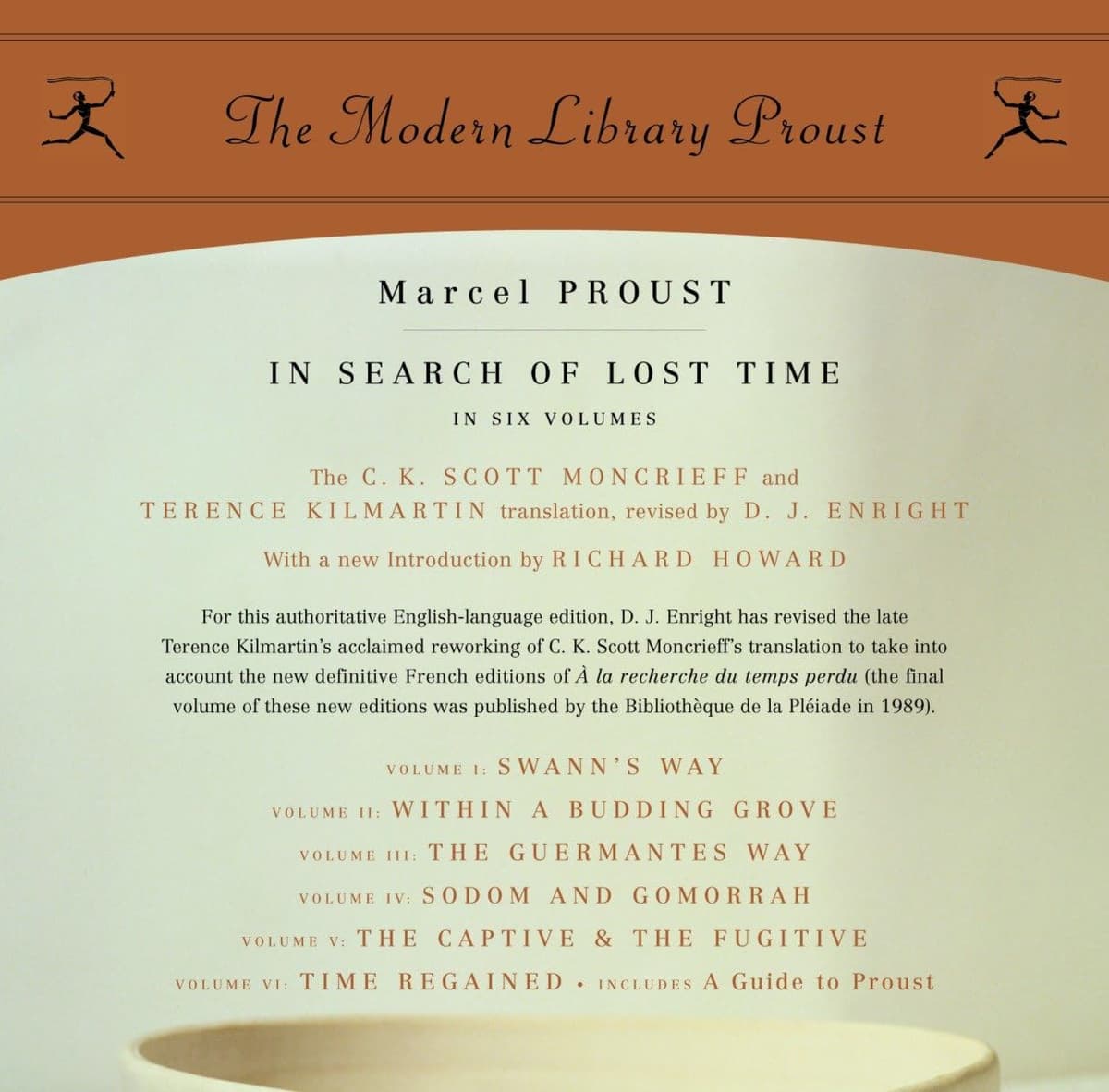 #2View Book
In Search of Lost Time
Marcel Proust
High•100+ hours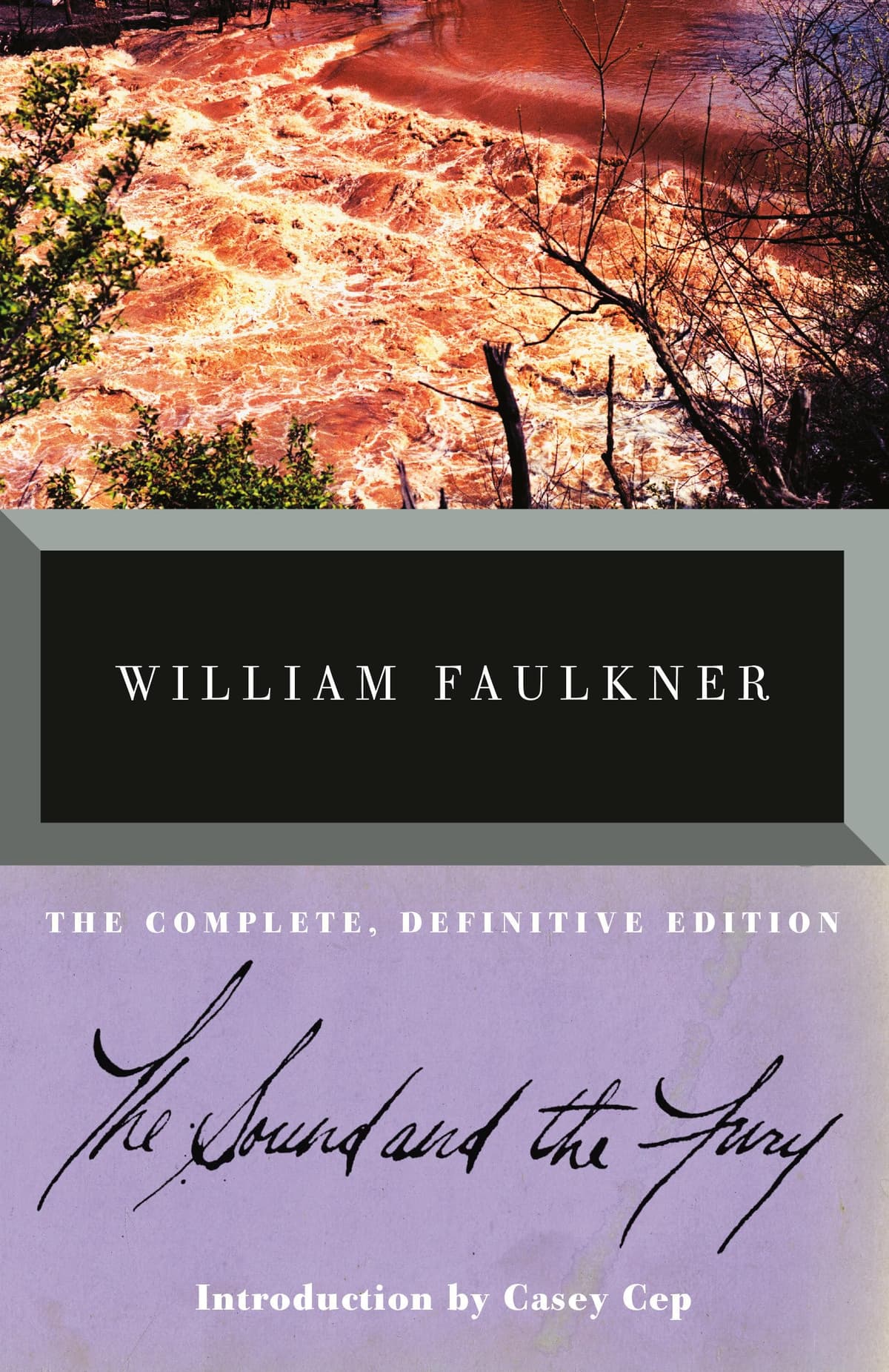 #8View Book
The Sound and the Fury
William Faulkner
Very High•12-15 hours #13View Book
Lolita
Vladimir Nabokov
Challenging•12-15 hours
Browse more collections