Death of a Salesman
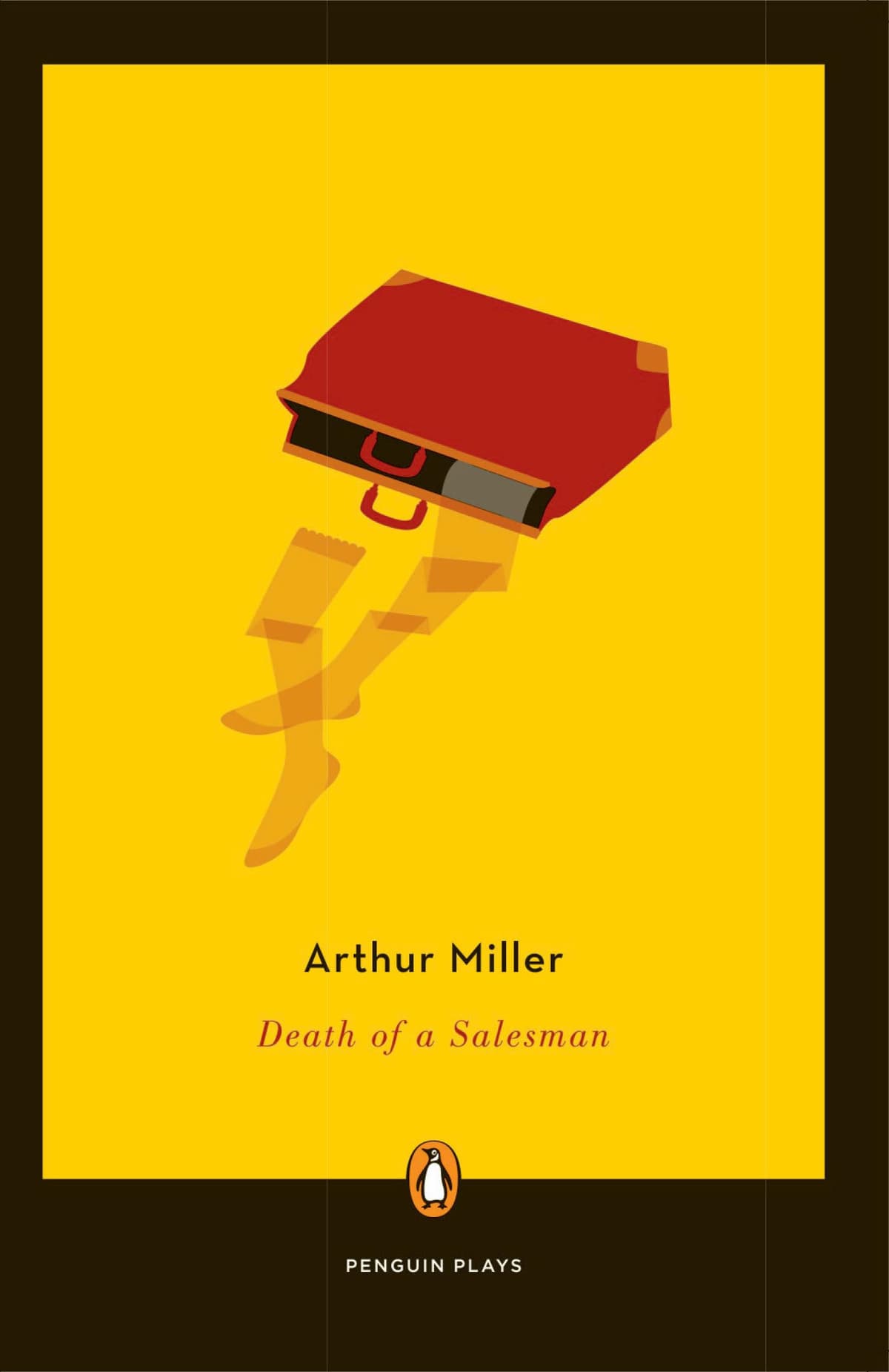
“He's a man way out there in the blue, riding on a smile and a shoeshine. And when they start not smiling back—that's an earthquake.”
Death of a Salesman Summary
Willy Loman, an aging traveling salesman in his sixties, comes home to Brooklyn exhausted and disoriented, unable to keep his car on the road. His wife Linda, loyal and increasingly desperate, watches as the man she married unravels before her eyes, lost in conversations with ghosts and memories that blur the line between past and present. Willy's two sons are home: Biff, the golden boy who was supposed to conquer the world but has spent years drifting through ranch work and petty theft, and Happy, the younger brother who masks his emptiness with women and bravado. As Willy stumbles through his final days, the play moves fluidly between the cramped present and the luminous past, revealing the moment when Biff discovered his father's infidelity in a Boston hotel room, the event that shattered the family mythology. Willy clings to the belief that success in America is a matter of being well-liked, even as every piece of evidence in his life proves otherwise.
Arthur Miller's masterpiece is the great American tragedy, a play that stripped the form of its classical trappings and placed an ordinary man at its center. Miller's innovation was structural as well as thematic: the fluid movement between present action and memory sequences creates a theatrical language for the way the mind collapses under the weight of failed dreams. Death of a Salesman is a devastating critique of the American Dream, but its power lies not in its arguments but in its compassion. Willy Loman is foolish, dishonest, and self-deluding, yet Miller makes us feel the full weight of his suffering because we recognize in his delusions the lies every society tells its citizens about what constitutes a worthwhile life.
Why Read Death of a Salesman?
Death of a Salesman is the play that defines American theater, and Willy Loman is the character who haunts the American conscience. Miller gives you a man who is not a king or a hero but a tired salesman with a sample case and a head full of dreams that the world has quietly refused to honor. The genius of the play is that you will recognize Willy: in your father, your neighbor, perhaps in yourself. His belief that personality and likability are the keys to success, his inability to see his sons as they are rather than as he needs them to be, his desperate refusal to accept that the game was rigged from the start: these are not period concerns but permanent features of a culture built on the promise that anyone can make it.
The play moves between past and present with a fluidity that mirrors the way memory works when a life is falling apart, and its emotional impact is cumulative and shattering. Linda Loman's defense of her husband, her insistence that attention must be paid, is one of the most powerful moments in all of drama. You will read or see Death of a Salesman in two hours and carry it with you for the rest of your life. It is the essential American play, the one that tells the truth about the cost of believing in a dream that was never meant for everyone.
About Arthur Miller
Arthur Miller was born in 1915 in Harlem, New York, to a prosperous Jewish family that was devastated by the Great Depression. The experience of watching his father's business collapse shaped Miller's lifelong preoccupation with the relationship between economic forces and personal dignity. He studied journalism and playwriting at the University of Michigan, where he won several awards, and returned to New York to pursue a career in theater.
Miller became the conscience of American drama with a body of work that confronted the nation's deepest contradictions. Death of a Salesman, which premiered in 1949 with Lee J. Cobb as Willy Loman, won the Pulitzer Prize and established Miller as the foremost American playwright of his generation. The Crucible, his allegory of McCarthyism set during the Salem witch trials, cemented his reputation as a writer of moral courage. His refusal to name names before the House Un-American Activities Committee led to a contempt citation that was later overturned. Miller's other major works include All My Sons, A View from the Bridge, and After the Fall. His marriage to Marilyn Monroe from 1956 to 1961 made him a figure of public fascination beyond the theater. He died in 2005, leaving a legacy as the playwright who insisted that the common man was a fit subject for tragedy.
Reading Guide
Ranked #412 among the greatest books of all time, Death of a Salesman by Arthur Miller has earned its place in the literary canon. Originally written in English and published in 1949, this accessible read from United States continues to resonate with readers today.
This book belongs to our American Spirit collection, where you can discover more books that share its spirit and themes.
If you enjoy accessible reads like this one, you might also like The Great Gatsby, The Catcher in the Rye, or Pride and Prejudice.
From the American Spirit Collection
If you enjoyed Death of a Salesman, discover more masterpieces that share its spirit.
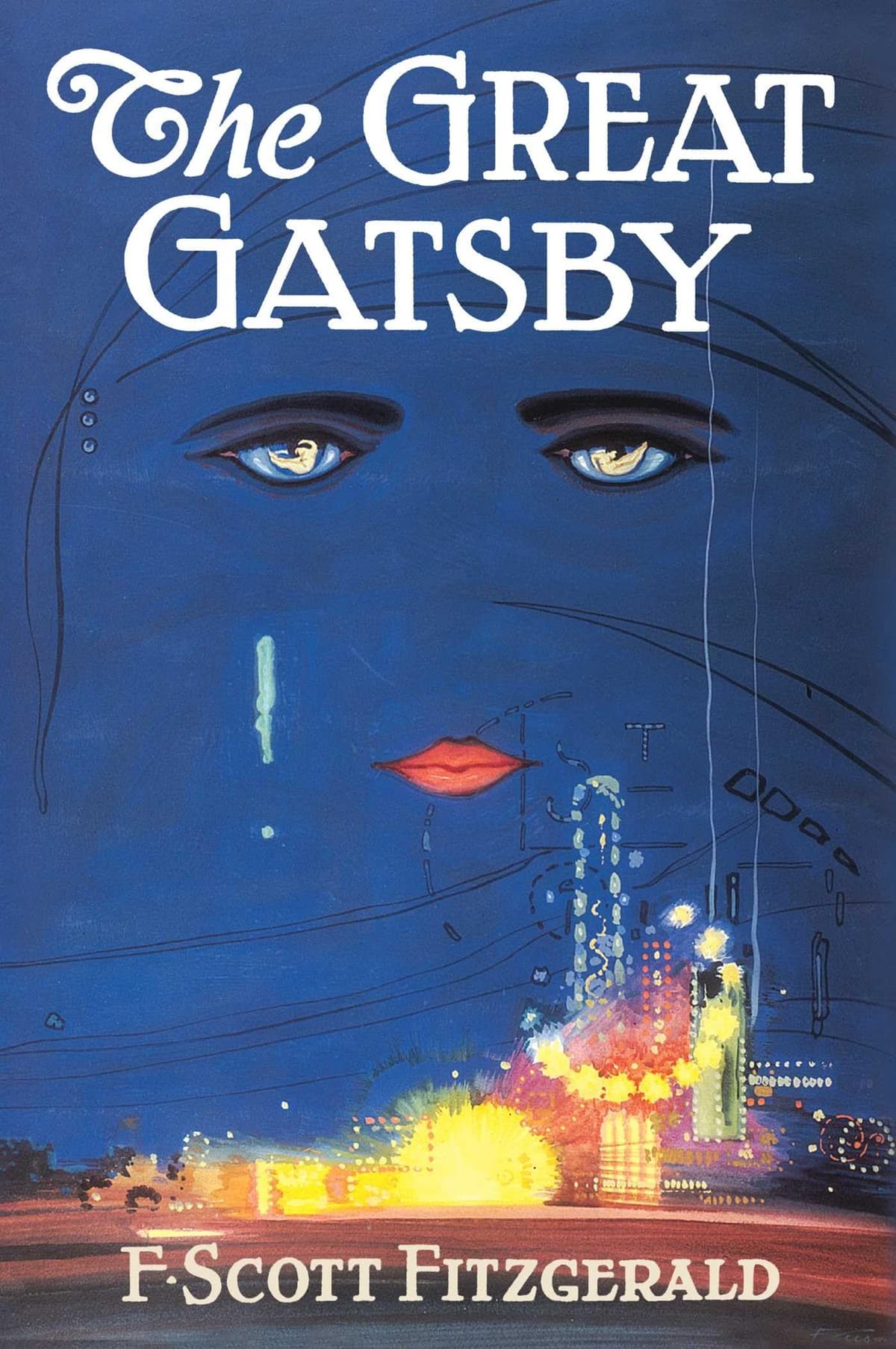 #3View Book
The Great Gatsby
F. Scott Fitzgerald
Accessible•5-6 hours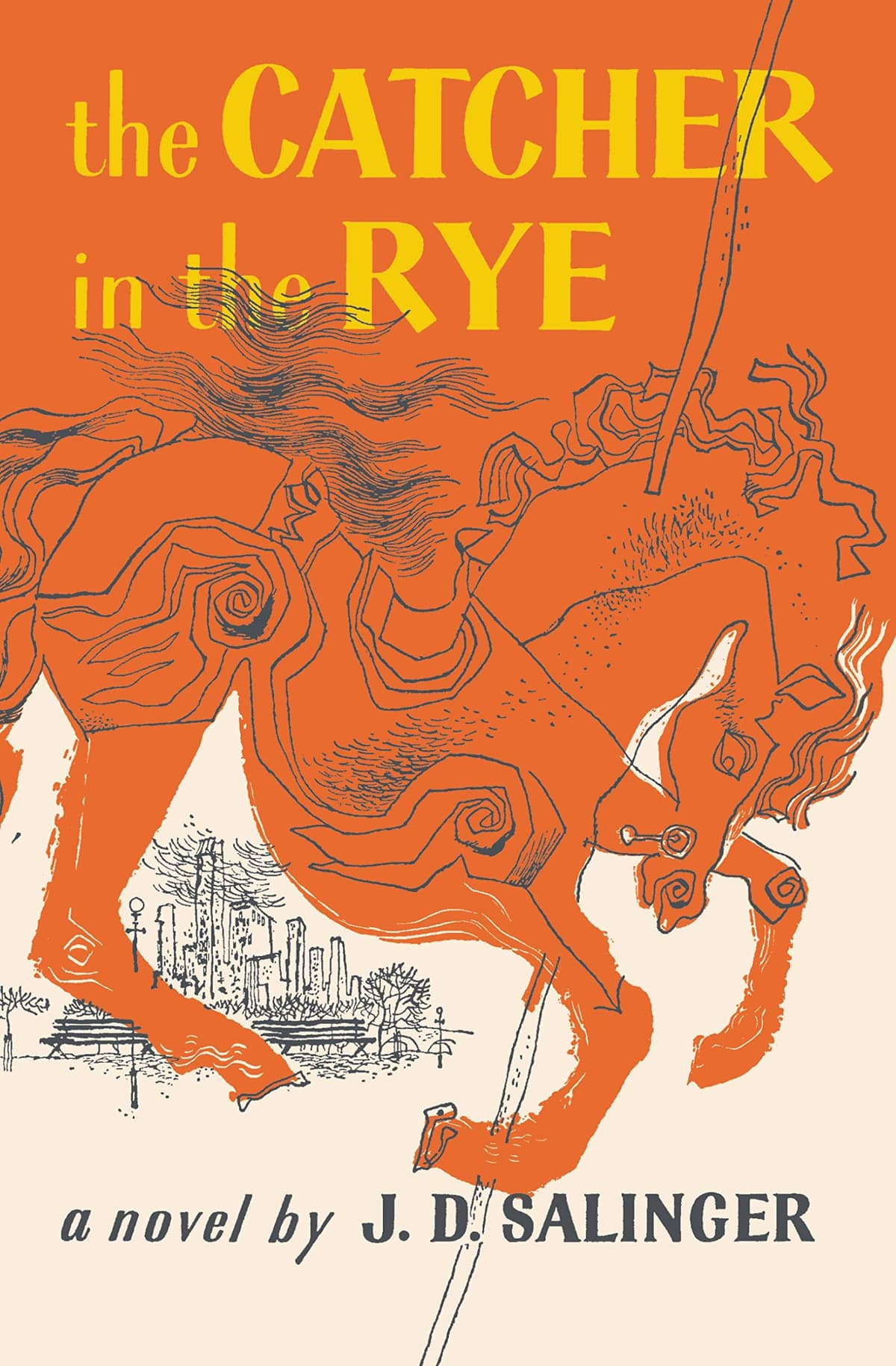 #4View Book
The Catcher in the Rye
J. D. Salinger
Accessible•6-8 hours #13View Book
Lolita
Vladimir Nabokov
Challenging•12-15 hours #17View Book
To Kill a Mockingbird
Harper Lee
Accessible•8-10 hours
Browse more collections