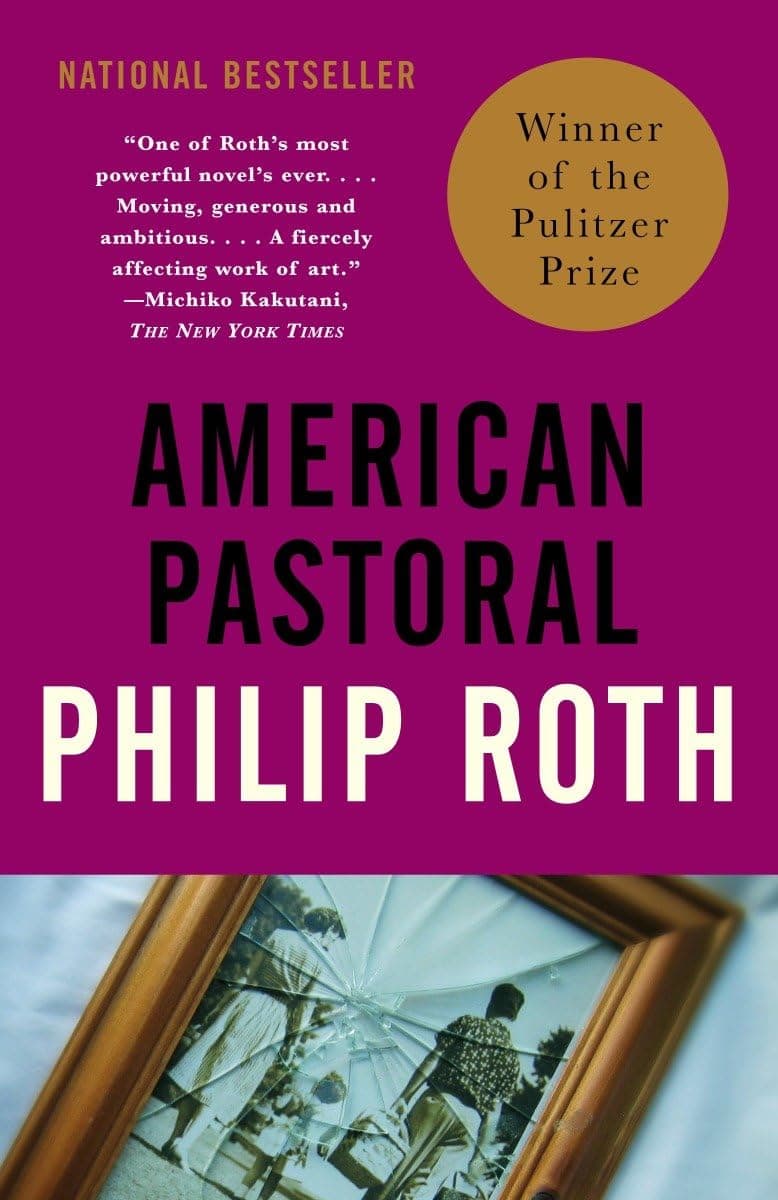
American Pastoral
“The fact remains that getting people right is not what living is all about anyway. It's getting them wrong that is living, getting them wrong and wrong and wrong and then, on careful reconsideration, getting them wrong again.”
American Pastoral Summary
Seymour "the Swede" Levov is the golden boy of Newark's Jewish community—a high school athletic legend, a handsome ex-Marine who marries a former Miss New Jersey, inherits his father's glove factory, and moves to a pastoral stone farmhouse in the affluent countryside of Old Rimrock. He is the living embodiment of the American Dream, a man who has done everything right. Then, in 1968, his sixteen-year-old daughter Merry, radicalized by the Vietnam War and consumed by a terrible stutter-born rage, bombs the local post office and kills a bystander. The Swede's perfect life detonates. He searches obsessively for his vanished daughter through the underground of radical politics, his marriage dissolves into mutual incomprehension, and the pastoral idyll he built reveals itself as a fragile construction over an abyss. Nathan Zuckerman, Roth's longtime alter ego, narrates from outside, reconstructing the Swede's story at a high school reunion and discovering that the man he once envied harbored a catastrophe beyond imagining.
Philip Roth's Pulitzer Prize-winning masterpiece is a ferocious examination of how the American pastoral dream shatters against the violence of history. The novel operates on multiple levels simultaneously: as a family tragedy, as a political novel about the 1960s counterculture, and as a meditation on the impossibility of truly knowing another person. Roth's prose blazes with an intensity that can shift from lyrical tenderness to savage irony within a single paragraph. The Swede's bewilderment in the face of his daughter's act is rendered with excruciating compassion, and the novel's refusal to explain Merry's transformation—to reduce it to psychology or politics—is what makes it so devastating. American Pastoral is Roth's great reckoning with the promises and betrayals of American life.
Why Read American Pastoral?
American Pastoral will dismantle everything you think you know about success, family, and the promises America makes to its most faithful believers. Roth writes about the Swede with a furious compassion that is almost unbearable—this is a man who did everything right, who believed in every American virtue, and who is destroyed not by his own failings but by the sheer chaos of history breaking through the front door of his beautiful home. The novel forces you to confront the terrifying possibility that doing everything right is no protection against catastrophe, that the pastoral dream of safety and goodness is always built on ground that can open beneath your feet.
Roth's prose in this novel reaches heights he never surpassed. The set pieces—the Swede's memories of his daughter's childhood stutter, the agonizing Thanksgiving dinner near the novel's end, Zuckerman's reconstruction of a life from the outside—are among the most powerful passages in postwar American fiction. This is a novel about parents and children, about the 1960s, about Newark and America, but above all it is about the impossibility of controlling the story of your own life. If you care about the American novel, about what fiction can do with history and heartbreak, American Pastoral is essential.
About Philip Roth
Philip Roth was born in 1933 in Newark, New Jersey, to a lower-middle-class Jewish family. He grew up in the Weequahic neighborhood that would become the landscape of much of his fiction. After studying at Bucknell University and the University of Chicago, he burst onto the literary scene with Goodbye, Columbus in 1959, which won the National Book Award and immediately generated controversy for its irreverent portrayal of Jewish American life. Portnoy's Complaint in 1969 made him famous and infamous in equal measure.
Over a career spanning more than five decades, Roth produced thirty-one books and established himself as one of the towering figures of American literature. The American Trilogy—American Pastoral, I Married a Communist, and The Human Stain—represents his late masterwork period and cemented his reputation as perhaps the most important American novelist of the second half of the twentieth century. He won virtually every major literary prize except the Nobel, including the Pulitzer Prize, the National Book Award (twice), the PEN/Faulkner Award (three times), and the Man Booker International Prize. Roth announced his retirement from writing in 2012 and died in 2018, leaving behind a body of work unmatched in its energy, ambition, and ferocious engagement with American life.
Reading Guide
Ranked #389 among the greatest books of all time, American Pastoral by Philip Roth has earned its place in the literary canon. Originally written in English and published in 1997, this moderate read from United States continues to resonate with readers today.
This book belongs to our American Spirit collection, where you can discover more books that share its spirit and themes.
If you enjoy moderate reads like this one, you might also like One Hundred Years of Solitude, Nineteen Eighty-Four, or Wuthering Heights.
From the American Spirit Collection
If you enjoyed American Pastoral, discover more masterpieces that share its spirit.
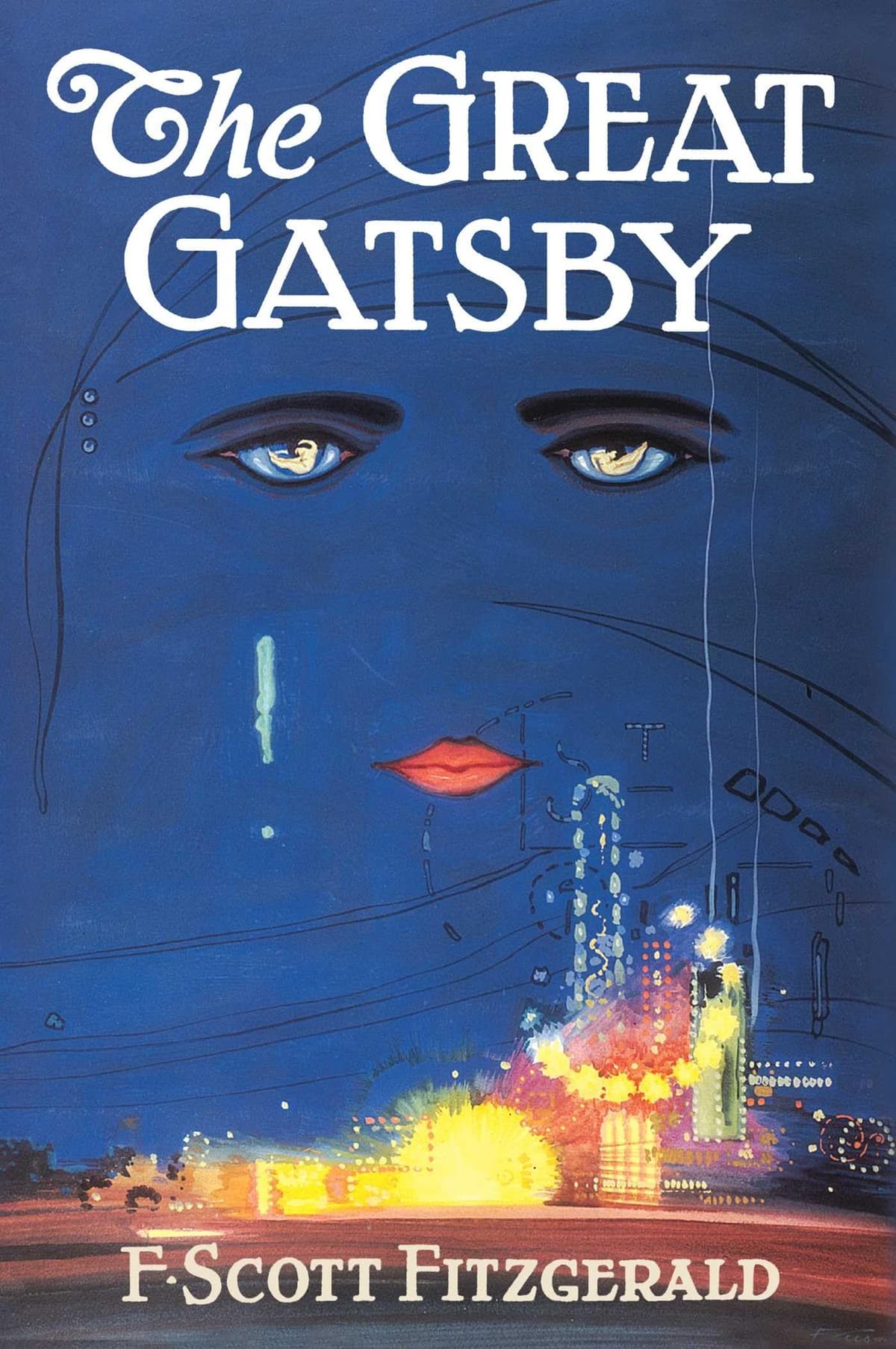 #3View Book
The Great Gatsby
F. Scott Fitzgerald
Accessible•5-6 hours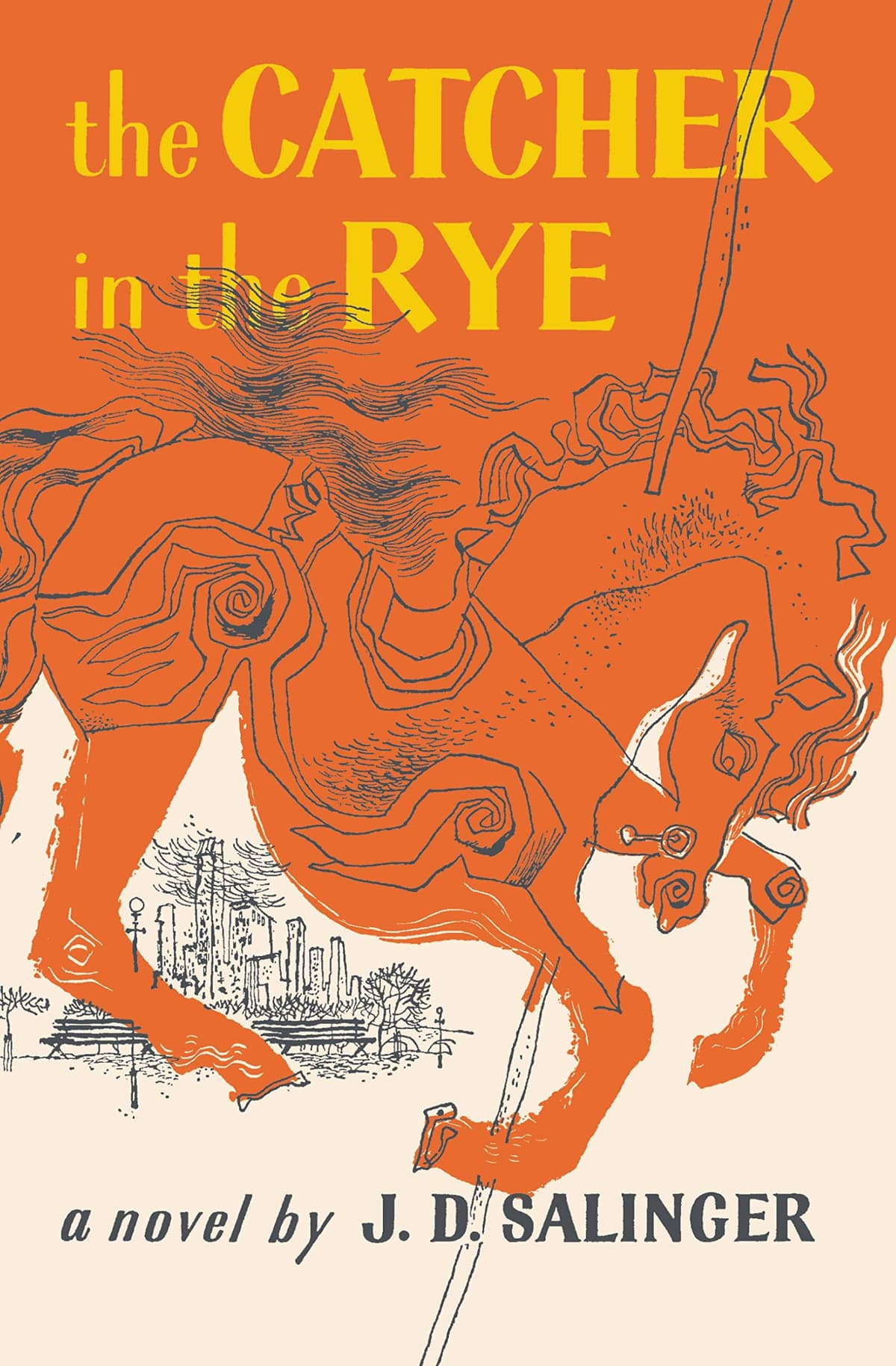 #4View Book
The Catcher in the Rye
J. D. Salinger
Accessible•6-8 hours #13View Book
Lolita
Vladimir Nabokov
Challenging•12-15 hours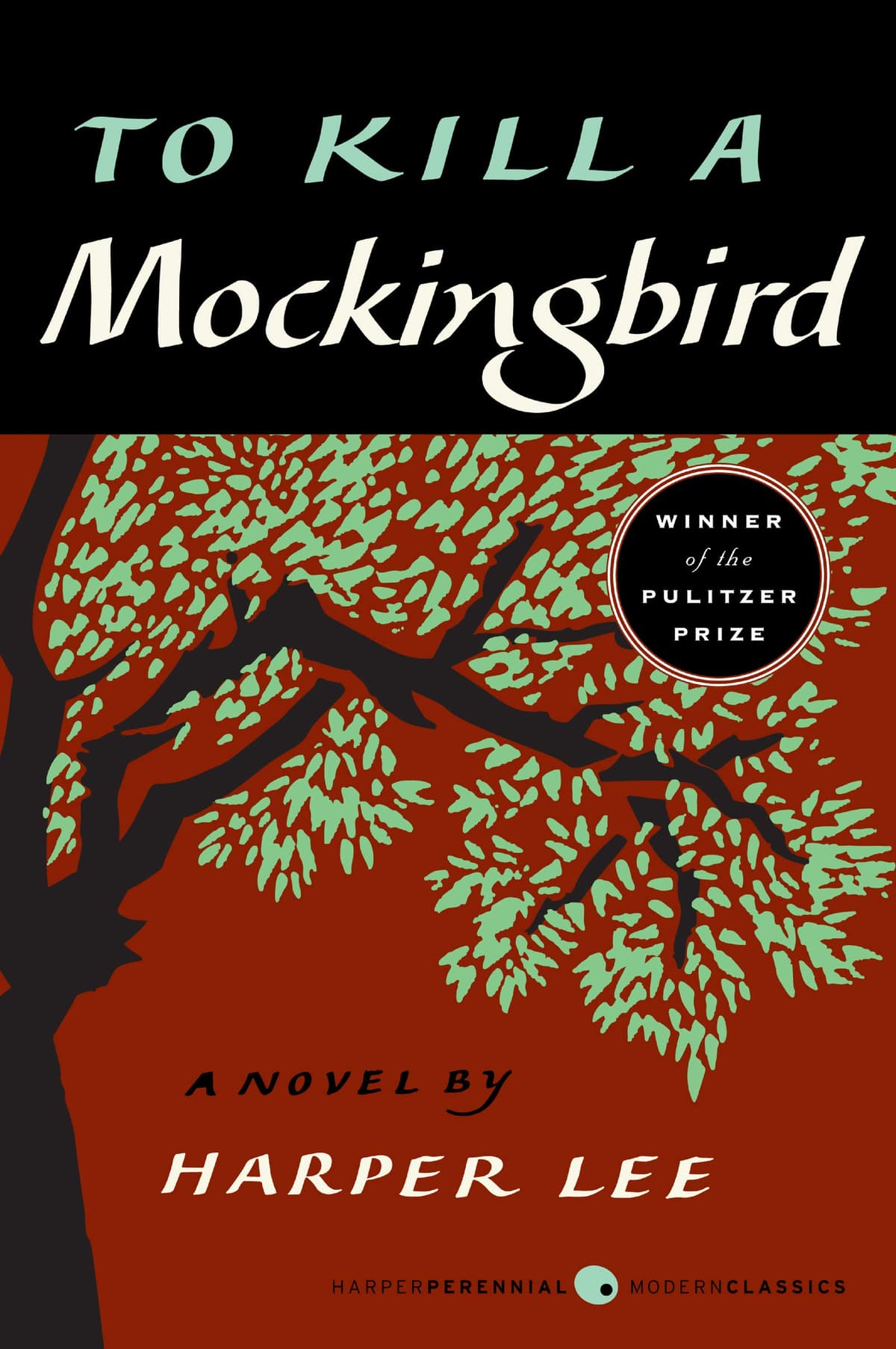 #17View Book
To Kill a Mockingbird
Harper Lee
Accessible•8-10 hours
Browse more collections