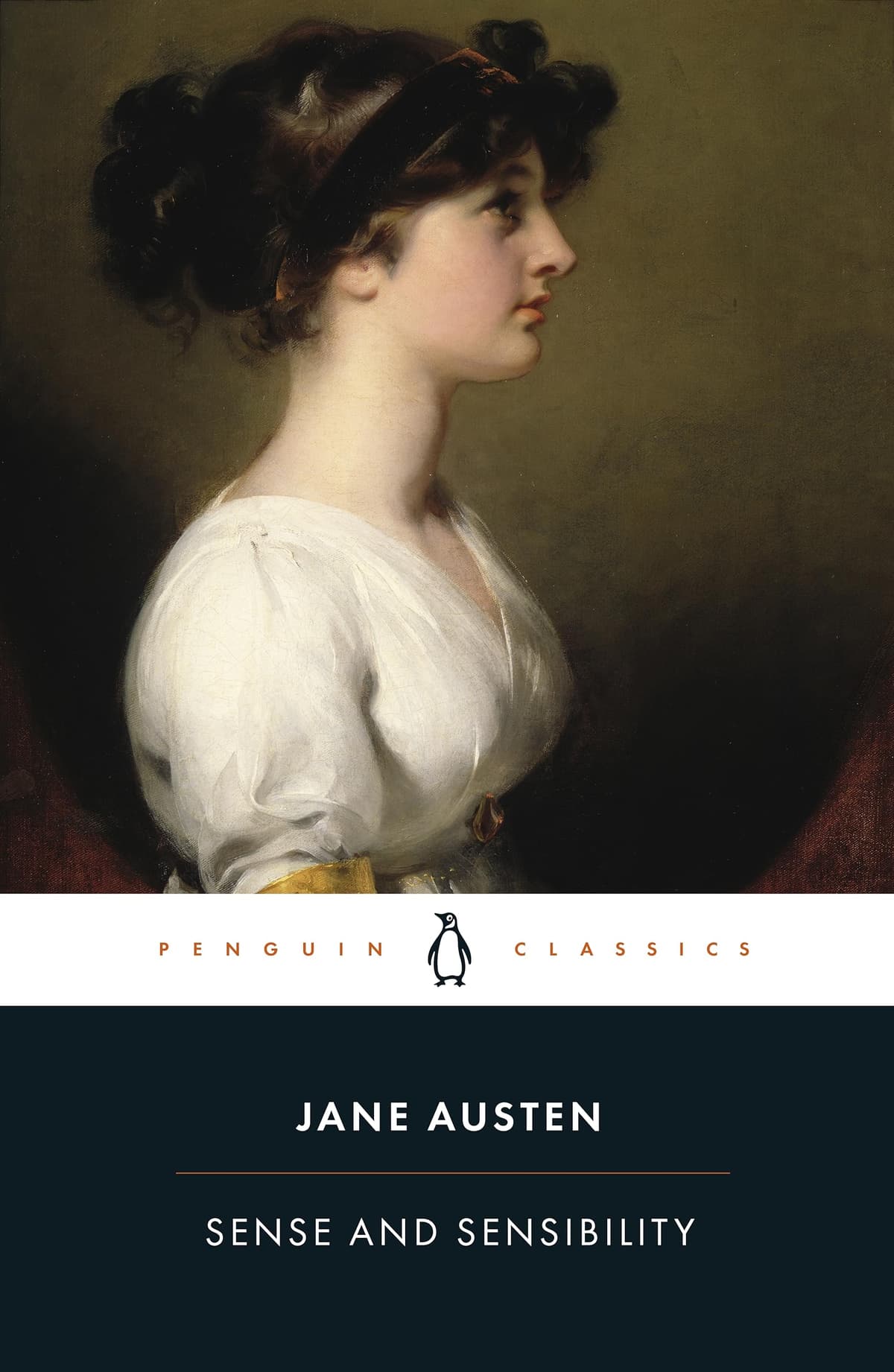
Alcools
“Sous le pont Mirabeau coule la Seine / Et nos amours / Faut-il qu'il m'en souvienne”
Alcools Summary
Alcools is a collection of poems that captures the dizzying energy of early twentieth-century Paris and the fractured sensibility of a world on the brink of transformation. Apollinaire stripped the collection of all punctuation, creating a fluid, breathless reading experience that mirrors the speed and simultaneity of modern urban life. The poems range from the deeply personal to the mythological, from the heartbroken lyricism of "Le Pont Mirabeau," in which the poet watches the Seine flow beneath him as love slips away, to the sprawling, kaleidoscopic "Zone," which opens the collection with a headlong rush through the streets of Paris, mixing Christian imagery with airplanes, immigrants, and advertising posters. Throughout, Apollinaire draws on the Rhineland legends of his youth, the streets of Montmartre, and the cosmopolitan ferment of a city that was the capital of the avant-garde.
Alcools stands as one of the founding documents of literary modernism, a collection that helped demolish the boundaries between high art and everyday life, between lyric poetry and collage. Apollinaire's removal of punctuation was not mere typographical experiment but a philosophical statement: the world does not pause, and neither should the poem. His technique of juxtaposition, placing ancient myth alongside modern machinery, influenced the Surrealists, the Dadaists, and virtually every experimental poet who followed. Yet for all its formal innovation, Alcools is at its heart a book of astonishing emotional directness. The poems about lost love, the passage of time, and the loneliness of the wanderer possess a tenderness that survives every act of avant-garde disruption. The collection's title, meaning "Alcohols" or "Spirits," suggests both intoxication and distillation, the essence of experience refined to its most potent form.
Why Read Alcools?
If you want to understand how modern poetry became modern, Alcools is where you should begin. Apollinaire shattered the conventions of French verse with the same audacity that his friends Picasso and Braque were bringing to painting, and the result is poetry that feels as alive and startling today as it did in 1913. You do not need to read French to appreciate the collection in translation, though something of its music inevitably changes. What survives perfectly is its vision: a world seen simultaneously from multiple angles, where a medieval legend and a modern street scene can occupy the same line, and where the deepest grief is expressed with the lightest touch.
You should read Alcools because it proves that formal innovation and emotional power are not enemies but allies. Apollinaire's experiments with punctuation, structure, and imagery were driven not by cold intellectualism but by a passionate desire to capture the full texture of lived experience. These poems will change the way you see a city street, a river, a memory. They will show you that poetry can be at once ancient and modern, heartbroken and exhilarated, utterly strange and immediately recognizable. If you have ever felt that the world moves too fast to be captured in words, Apollinaire will show you otherwise.
About Guillaume Apollinaire
Guillaume Apollinaire was born Wilhelm Albert Wlodzimierz Apolinary Kostrowicki in 1880 in Rome, the illegitimate son of a Polish noblewoman and, most likely, an Italian officer. He grew up in Monaco and the south of France before settling in Paris, where he quickly became a central figure in the avant-garde circles that were transforming European art. He championed Cubism, coined the term "Surrealism," wrote art criticism that helped establish Picasso and Matisse, and produced poetry and prose that pushed the boundaries of literary form. He was also a legendary bon vivant, a tireless lover, and a man of enormous personal charm who held the fractious Parisian art world together through the sheer force of his personality.
Apollinaire's life was cut short at thirty-eight when he died during the 1918 influenza pandemic, weakened by a severe head wound suffered in World War I. Despite his brief career, his influence on modern literature is immeasurable. Alcools and his later collection Calligrammes established new possibilities for poetry that the Surrealists, the Beats, and the Language poets would spend the rest of the century exploring. He demonstrated that poetry could absorb the imagery and rhythms of modern life without sacrificing lyric beauty, and his work remains a touchstone for any poet who seeks to make the new without abandoning the eternal. His grave in Pere Lachaise cemetery in Paris is still visited by poets and admirers from around the world.
Reading Guide
Ranked #458 among the greatest books of all time, Alcools by Guillaume Apollinaire has earned its place in the literary canon. Originally written in French and published in 1913, this challenging read from France continues to resonate with readers today.
This book belongs to our Modern Mind collection, where you can discover more books that share its spirit and themes.
If you enjoy challenging reads like this one, you might also like Ulysses, Moby-Dick, or Lolita.
From the Modern Mind Collection
If you enjoyed Alcools, discover more masterpieces that share its spirit.
 #1View Book
Ulysses
James Joyce
Challenging•35-40 hours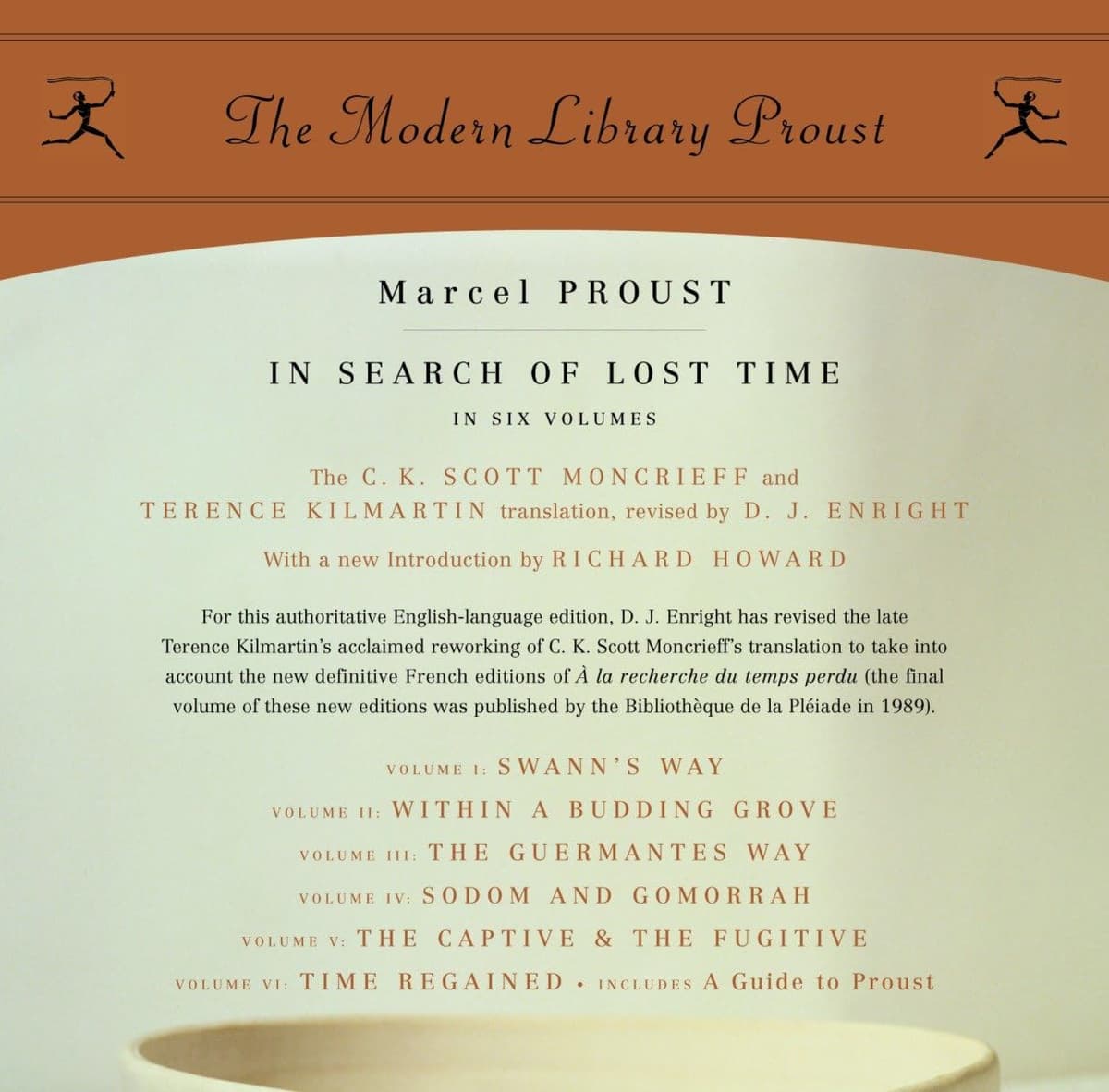 #2View Book
In Search of Lost Time
Marcel Proust
High•100+ hours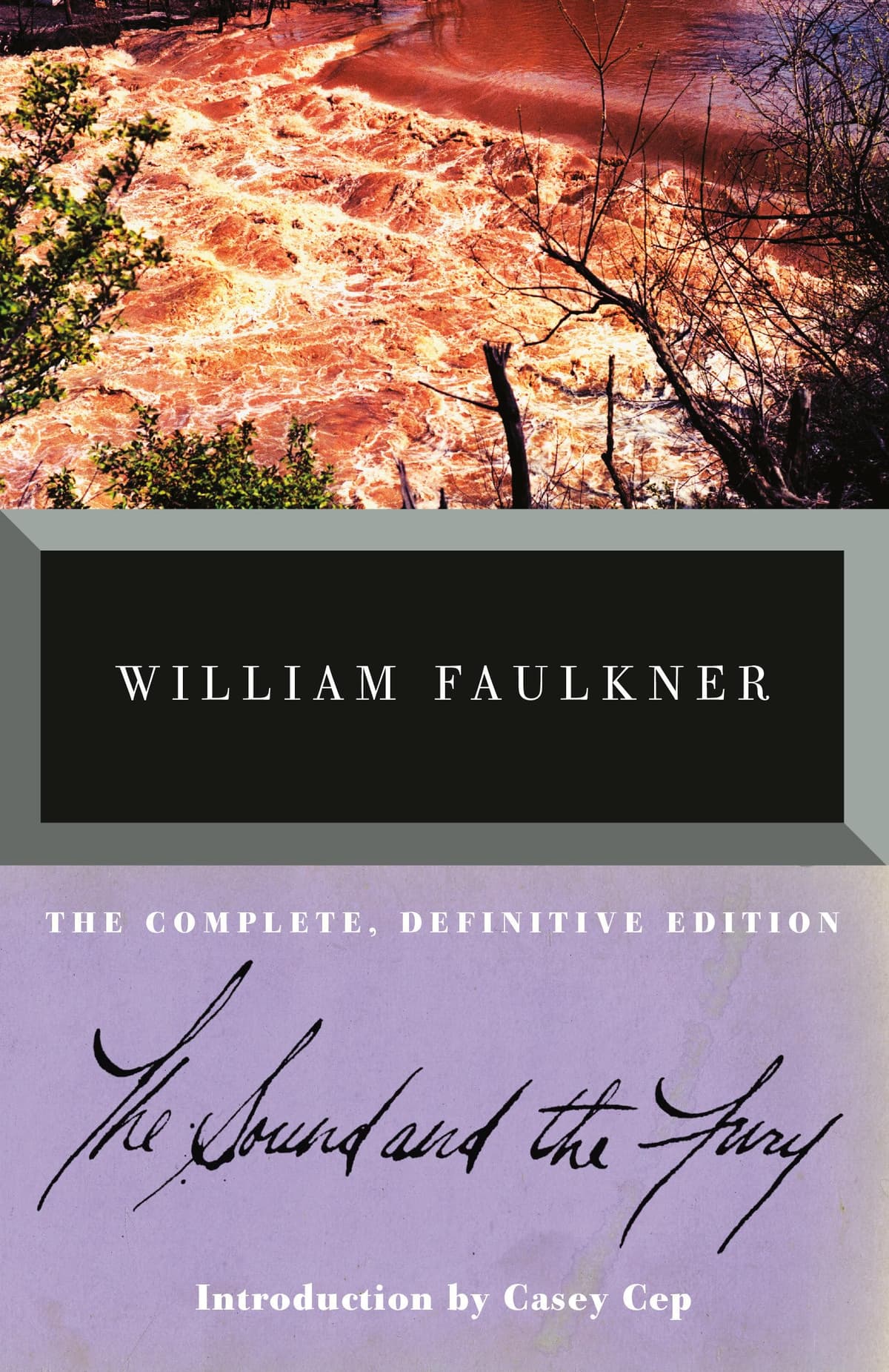 #8View Book
The Sound and the Fury
William Faulkner
Very High•12-15 hours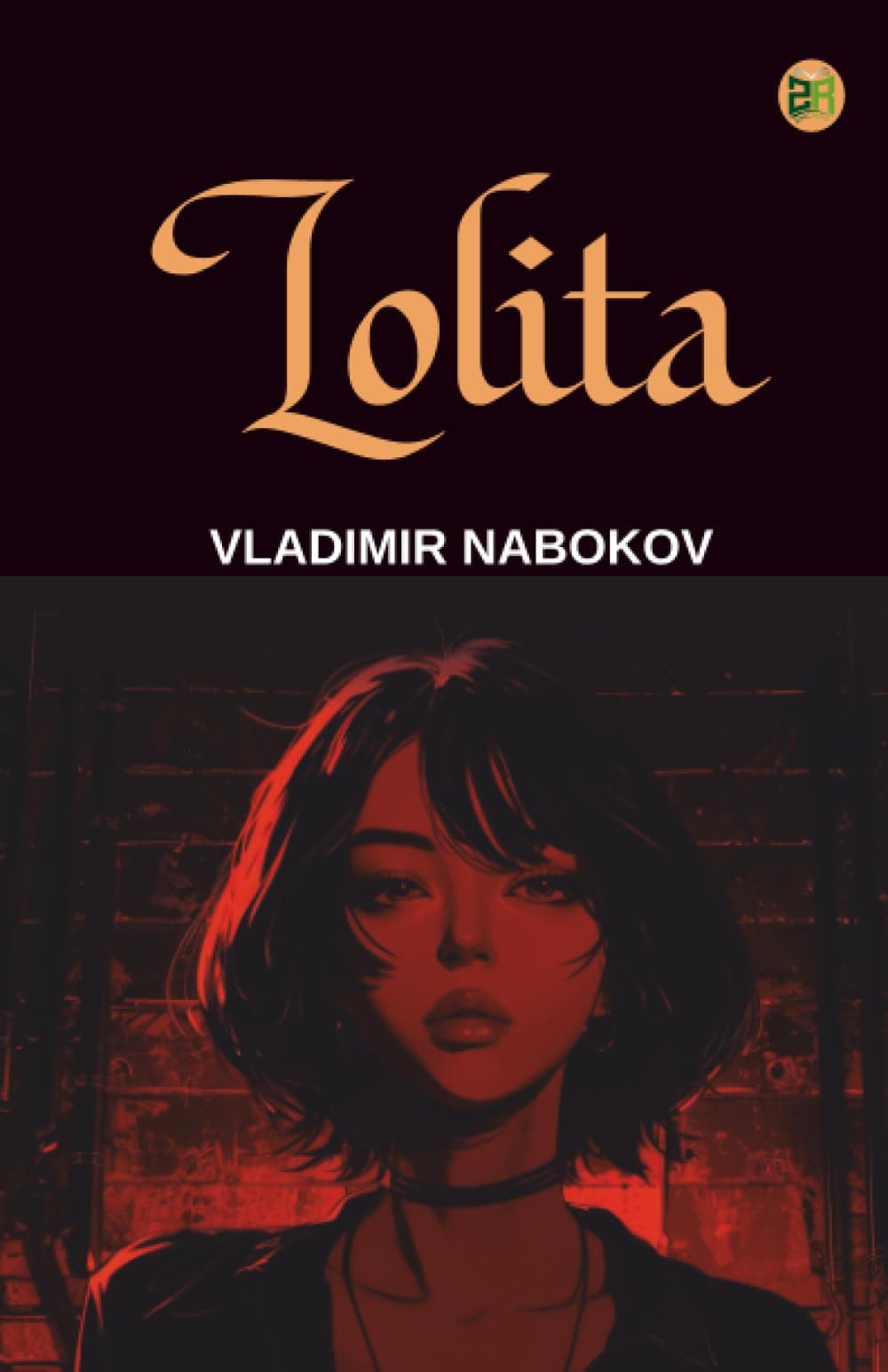 #13View Book
Lolita
Vladimir Nabokov
Challenging•12-15 hours
Browse more collections