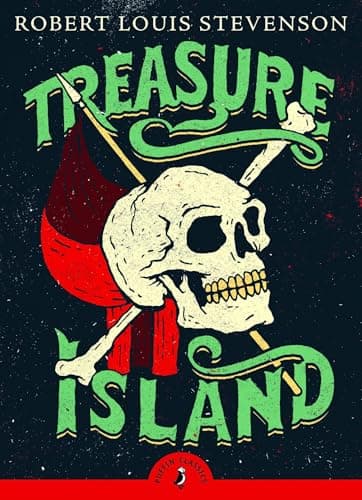
Treasure Island
“Fifteen men on the dead man's chest—Yo-ho-ho, and a bottle of rum!”
Treasure Island Summary
Young Jim Hawkins discovers a treasure map among the belongings of a dead sea captain at his mother's inn, and before he knows it, he is aboard the schooner Hispaniola, sailing for a distant island where the pirate Captain Flint buried his plunder. But the ship's cook, a one-legged man named Long John Silver, is not what he seems—and Jim overhears, from inside an apple barrel, a mutiny being planned that will turn the voyage into a fight for survival.
Robert Louis Stevenson wrote Treasure Island to entertain his stepson, and it became the adventure story against which all others are measured. The novel moves with the speed of a trade wind: there are sieges, double-crosses, marooned men, and a final desperate hunt for gold on an island haunted by the ghosts of murdered sailors. At its center is the magnetic, morally ambiguous figure of Long John Silver—smiling, lethal, and so charming that both Jim and the reader can never quite decide whether to trust him.
Why Read Treasure Island?
Treasure Island is the reason pirates exist in our imagination. Before Stevenson, pirates were historical curiosities; after him, they were peg-legged, parrot-shouldered, treasure-map-following legends. The novel invented so many of the conventions we now take for granted—the X on the map, the Black Spot, the one-legged sea cook—that it is easy to forget how electrifyingly original it once was.
But Treasure Island is far more than a collection of tropes. It is a coming-of-age story in which a boy confronts the adult world in all its treachery and ambiguity, embodied in the figure of Long John Silver—the most fascinating villain in English literature, a man who is simultaneously a father figure, a murderer, and a survivor. Stevenson writes with a lean, propulsive energy that has never been surpassed, and the book remains as thrilling today as it was in 1883.
About Robert Louis Stevenson
Robert Louis Stevenson (1850–1894) was a Scottish novelist, essayist, and poet who lived as adventurously as any of his characters. Plagued by chronic lung disease from childhood, he traveled restlessly in search of health—from the Highlands of Scotland to the mountains of France, from the sanatoriums of Switzerland to the beaches of Samoa, where he spent his final years and was buried on a mountaintop by the islanders who called him Tusitala, the Teller of Tales.
In a tragically short career, Stevenson produced an astonishing range of masterpieces: Treasure Island, Kidnapped, Strange Case of Dr Jekyll and Mr Hyde, and The Master of Ballantrae, among others. He was one of the most popular writers of his era and is now recognized as a literary artist of the first rank—a master of adventure, horror, and the divided self.
Reading Guide
Ranked #113 among the greatest books of all time, Treasure Island by Robert Louis Stevenson has earned its place in the literary canon. Originally written in English and published in 1883, this accessible read from United Kingdom continues to resonate with readers today.
This book belongs to our Epics collection, where you can discover more books that share its spirit and themes.
If you enjoy accessible reads like this one, you might also like The Great Gatsby, The Catcher in the Rye, or Pride and Prejudice.
From the Epics Collection
If you enjoyed Treasure Island, discover more masterpieces that share its spirit.
 #1View Book
Ulysses
James Joyce
Challenging•35-40 hours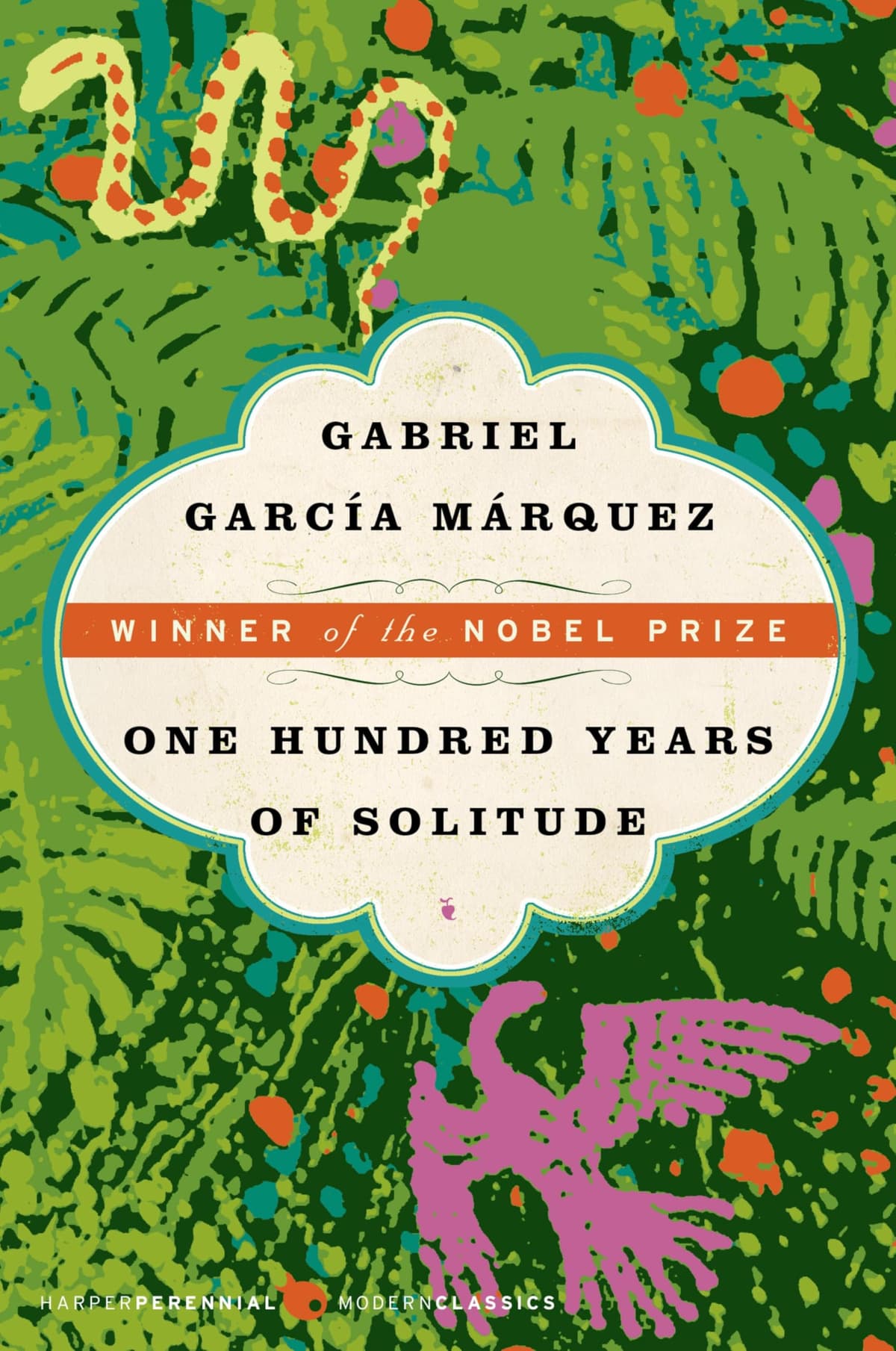 #5View Book
One Hundred Years of Solitude
Gabriel García Márquez
Moderate•15-20 hours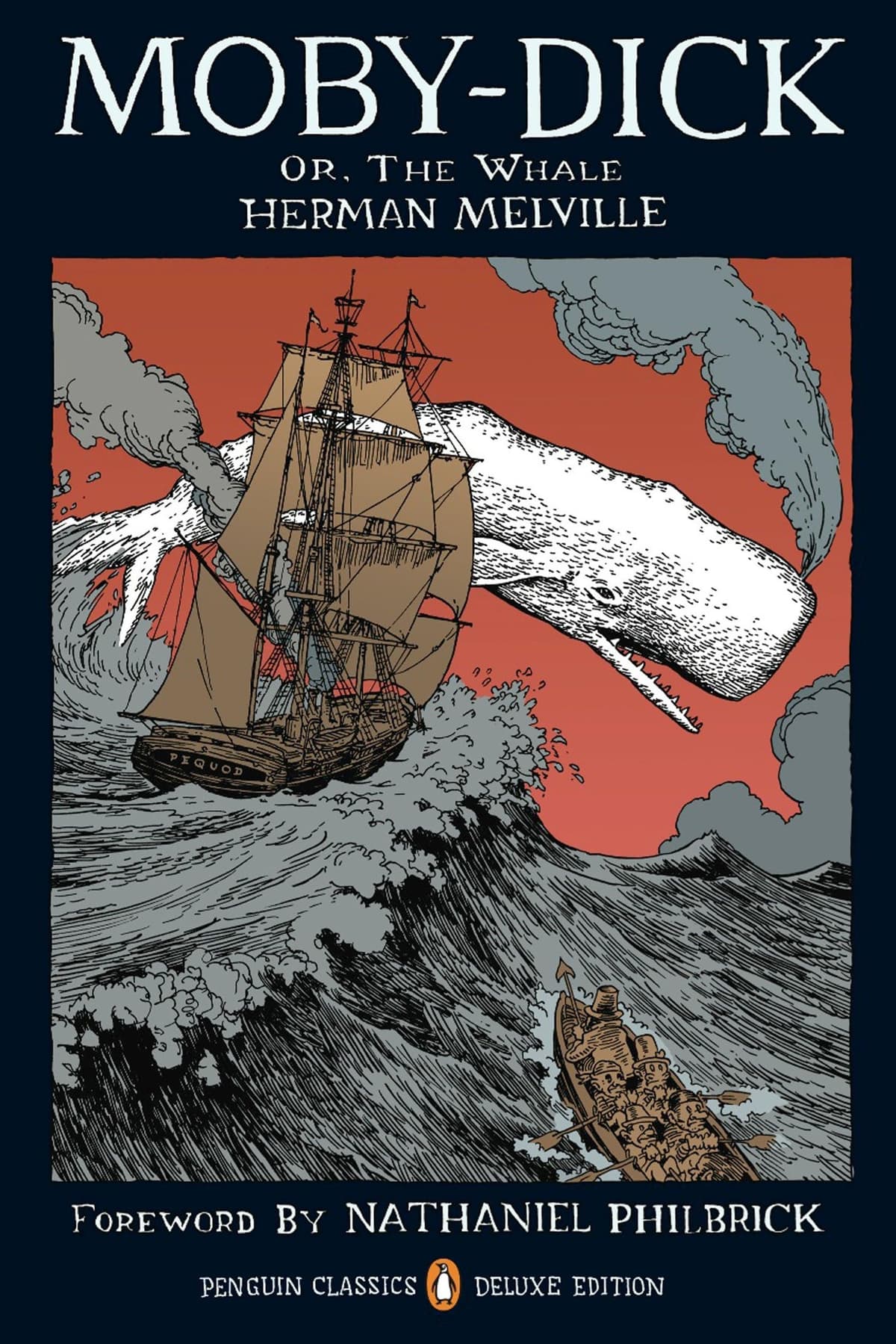 #7View Book
Moby-Dick
Herman Melville
Challenging•20-25 hours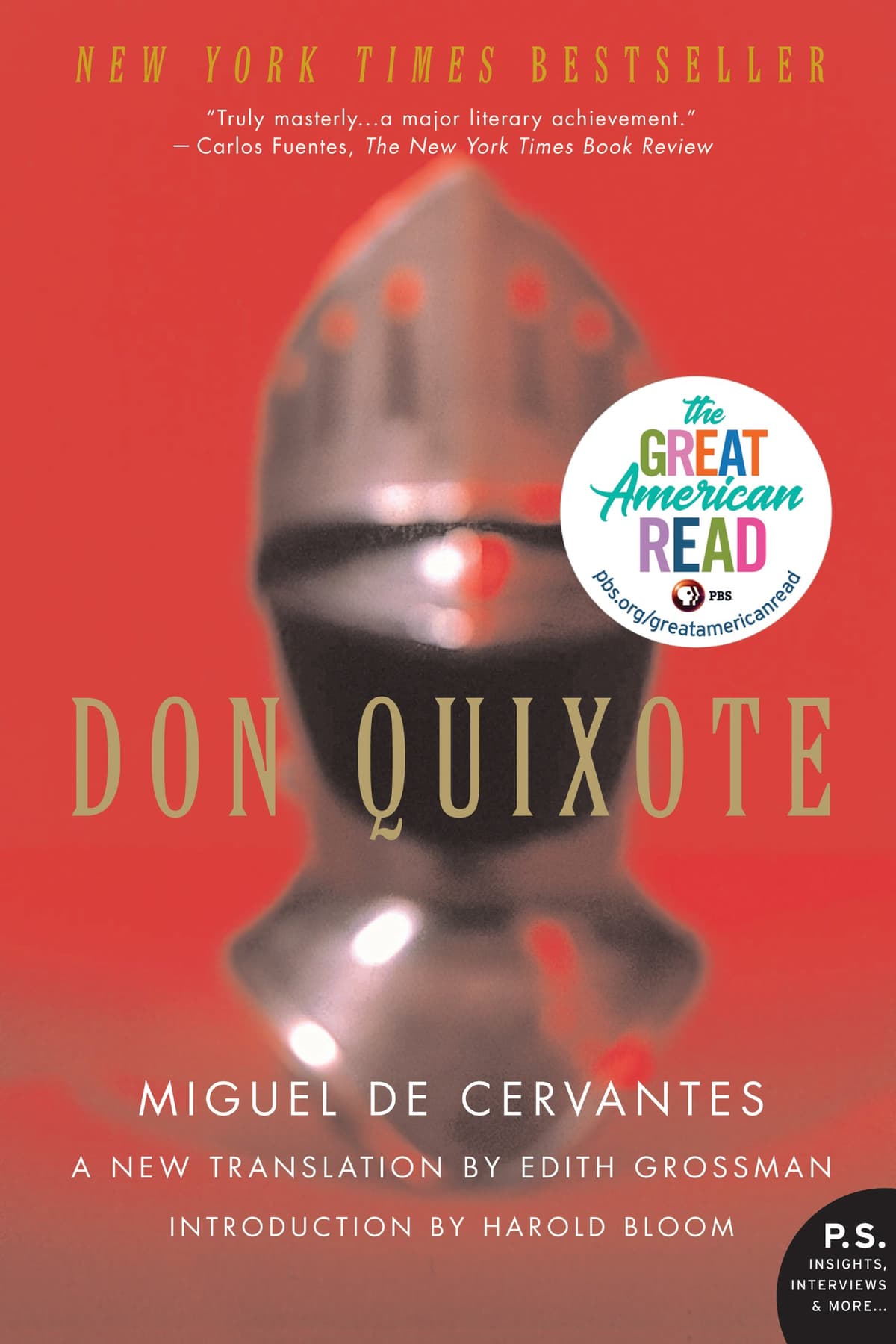 #9View Book
Don Quixote
Miguel de Cervantes
High•35-40 hours
Browse more collections