The Haunting of Hill House
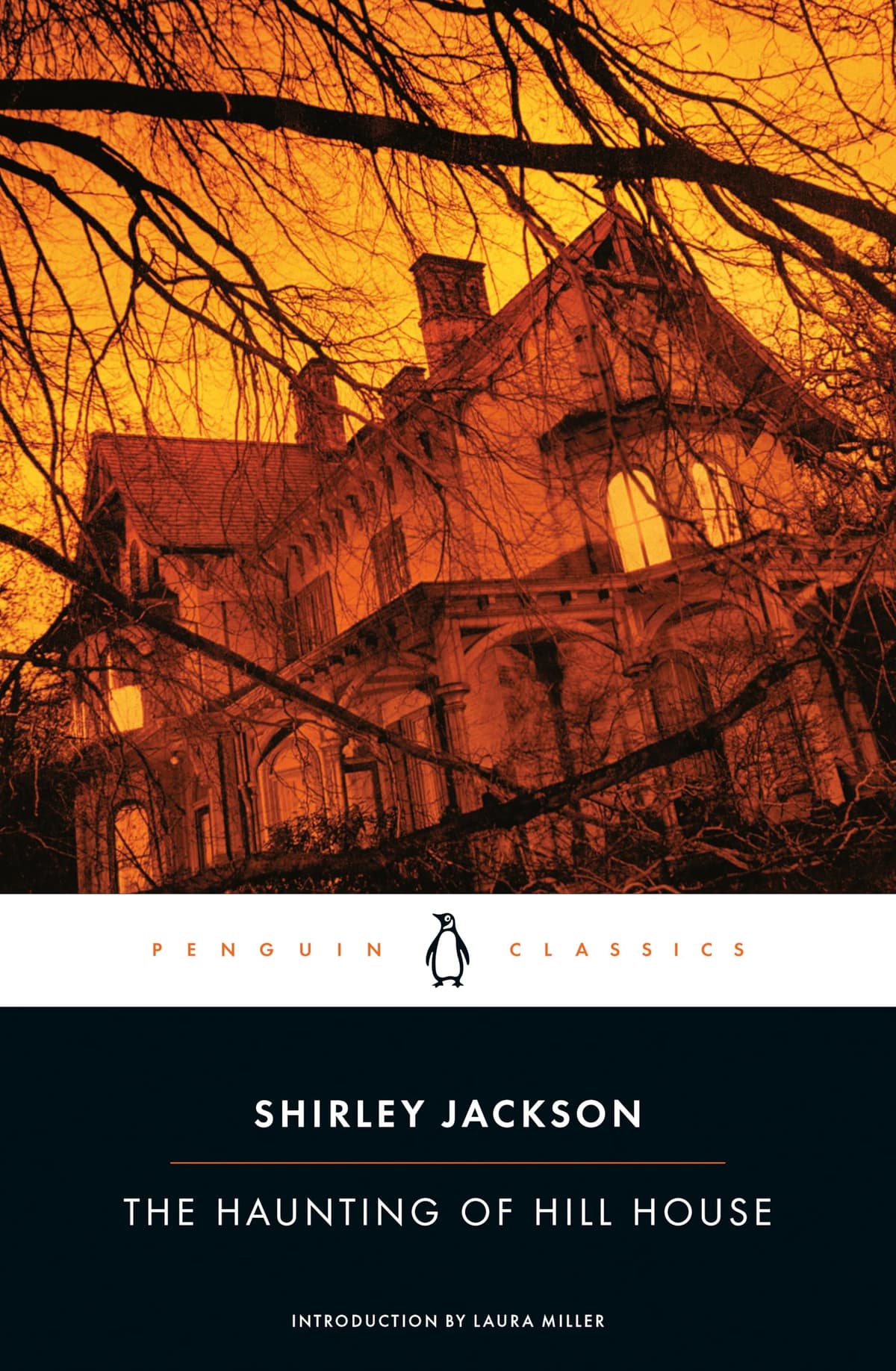
“No live organism can continue for long to exist sanely under conditions of absolute reality; even larks and katydids are supposed, by some, to dream.”
The Haunting of Hill House Summary
"No live organism can continue for long to exist sanely under conditions of absolute reality"—so begins one of the most terrifying novels in the English language. Dr. John Montague, an investigator of the supernatural, invites three strangers to spend the summer at Hill House, a brooding Victorian mansion with a history of tragedy and madness. Among them is Eleanor Vance—lonely, repressed, thirty-two years old, freshly escaped from a decade of caring for her invalid mother—who arrives at the house already desperate for a place to belong. What she finds is a building that seems to breathe, whose walls are subtly wrong, whose hallways shift and tilt, and whose darkness has been waiting for someone exactly like her.
Shirley Jackson's genius lies in what she withholds. The horror of Hill House is never a matter of gore or monsters; it is architectural, psychological, ambient—a slow, suffocating accumulation of wrongness. Doors close by themselves. Cold spots migrate. Writing appears on walls. But the real question the novel poses is whether the house is genuinely haunted or whether Eleanor's fragile mind is projecting its own haunting onto the stones. Jackson refuses to answer, and that refusal is the source of the novel's enduring, skin-crawling power. The prose is precise, darkly witty, and laced with a dread that seeps into you like cold through a wall. It is the foundation stone of modern psychological horror.
Why Read The Haunting of Hill House?
You will read the first paragraph of this novel and know immediately that you are in the hands of a master. Jackson's opening is among the most famous in horror fiction, and the book delivers on its promise with a mounting sense of dread that no film adaptation has fully captured. The terror here is not about what jumps out at you; it is about what is already inside you—the loneliness, the need to belong, the fear that the walls of your own mind might not hold.
Eleanor Vance is one of literature's great unreliable consciousnesses. You root for her, pity her, and slowly begin to fear her, all at once. Jackson understood something profound about horror: that the scariest thing in the world is a person coming apart, and that a house—that most domestic, most supposedly safe of spaces—is the perfect setting for dissolution. This is the novel that every haunted house story since has been trying to live up to. Read it with the lights on.
About Shirley Jackson
Shirley Jackson (1916–1965) was born in San Francisco and raised in a series of comfortable suburban homes that would later provide the unsettling backdrop for her fiction. She studied at Syracuse University, where she met her husband, the literary critic Stanley Edgar Hyman. Her story "The Lottery," published in The New Yorker in 1948, generated more mail than any story in the magazine's history and established her as a writer of singular, disturbing power.
Jackson published six novels, two memoirs about domestic life, and numerous short stories, all while raising four children in North Bennington, Vermont. She suffered from anxiety, agoraphobia, and poor health throughout her life, dying of heart failure at forty-eight. Long undervalued as a genre writer, she is now recognized as one of the most important American authors of the twentieth century. The Haunting of Hill House and We Have Always Lived in the Castle are considered masterpieces, and her influence extends from Stephen King to Joyce Carol Oates to the entire modern tradition of literary horror.
Reading Guide
Ranked #211 among the greatest books of all time, The Haunting of Hill House by Shirley Jackson has earned its place in the literary canon. Originally written in English and published in 1959, this accessible read from United States continues to resonate with readers today.
This book belongs to our Gothic & Dark collection, where you can discover more books that share its spirit and themes.
If you enjoy accessible reads like this one, you might also like The Great Gatsby, The Catcher in the Rye, or Pride and Prejudice.
From the Gothic & Dark Collection
If you enjoyed The Haunting of Hill House, discover more masterpieces that share its spirit.
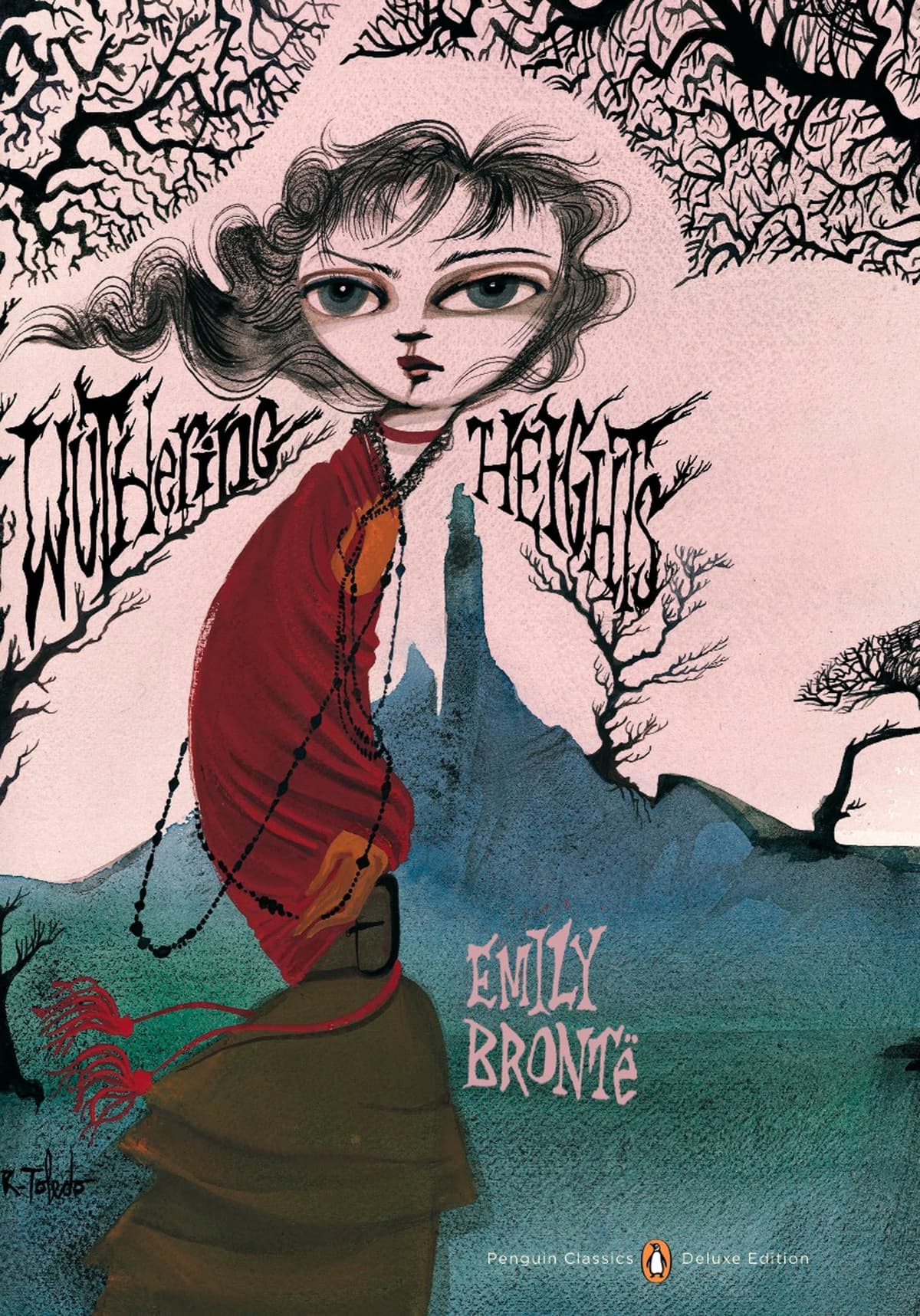 #15View Book
Wuthering Heights
Emily Brontë
Moderate•10-12 hours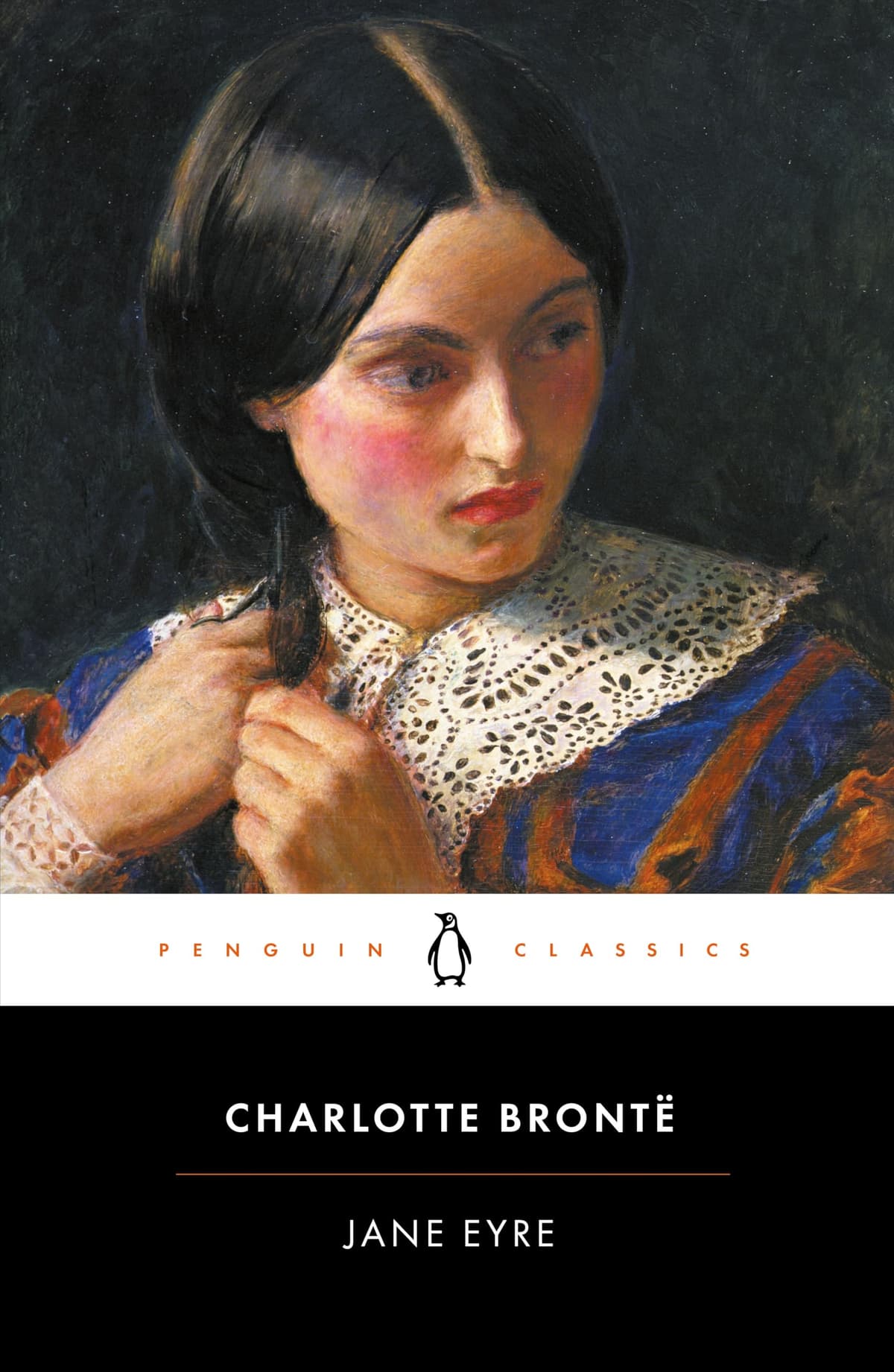 #29View Book
Jane Eyre
Charlotte Brontë
Accessible•15-20 hours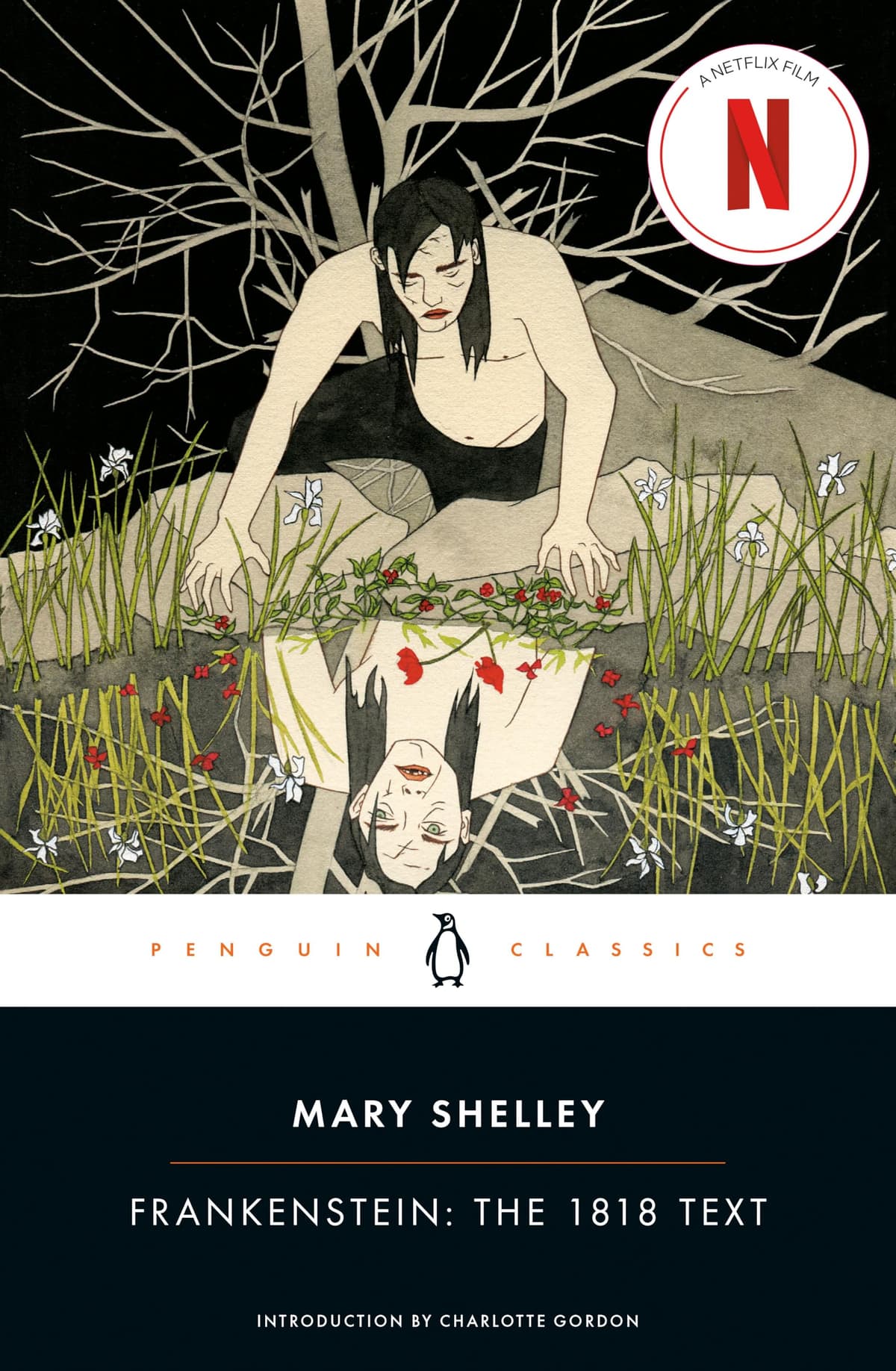 #41View Book
Frankenstein
Mary Shelley
Accessible•6-8 hours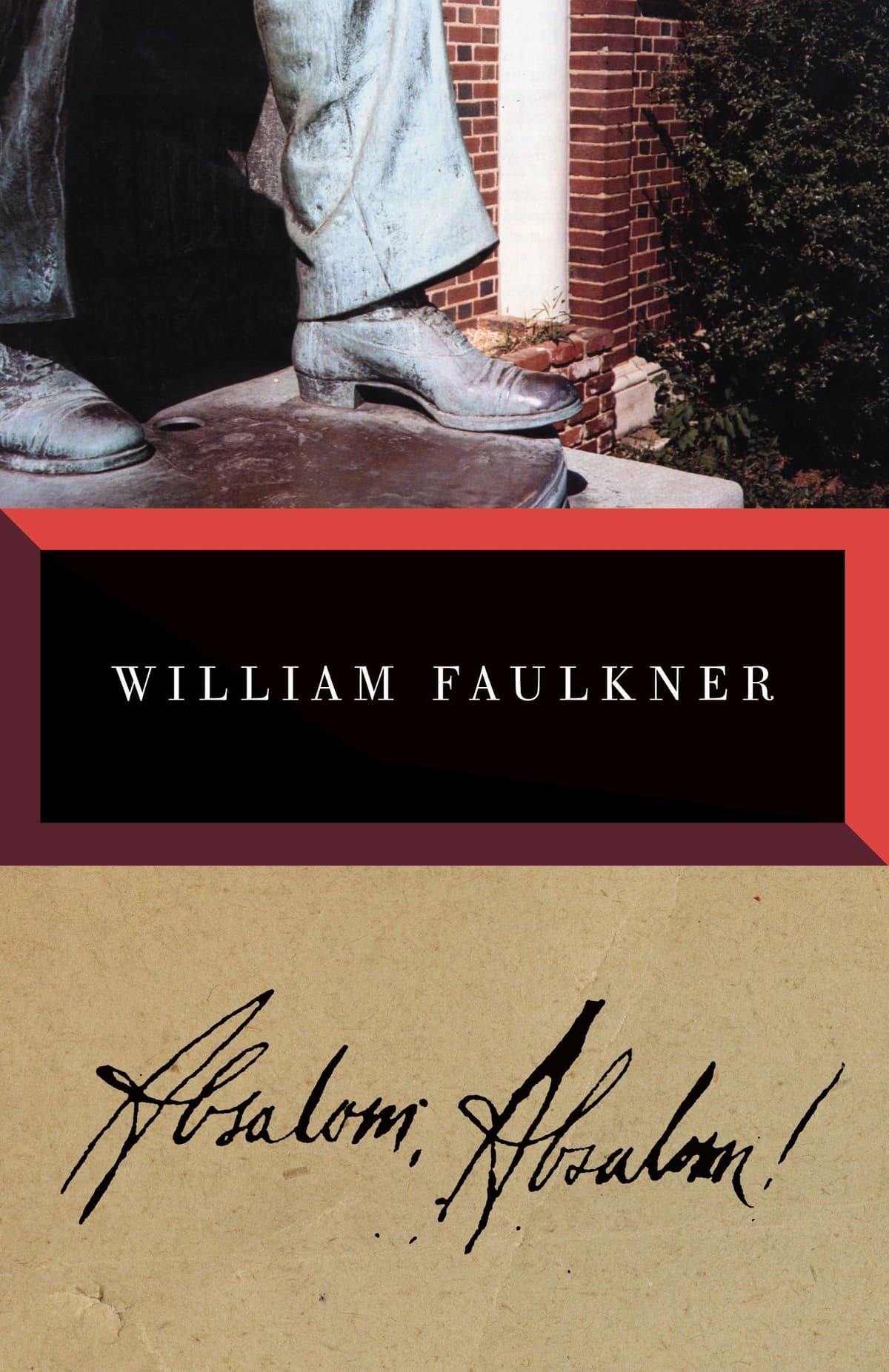 #44View Book
Absalom, Absalom!
William Faulkner
Very High•12-15 hours
Browse more collections