The Autobiography of Malcolm X
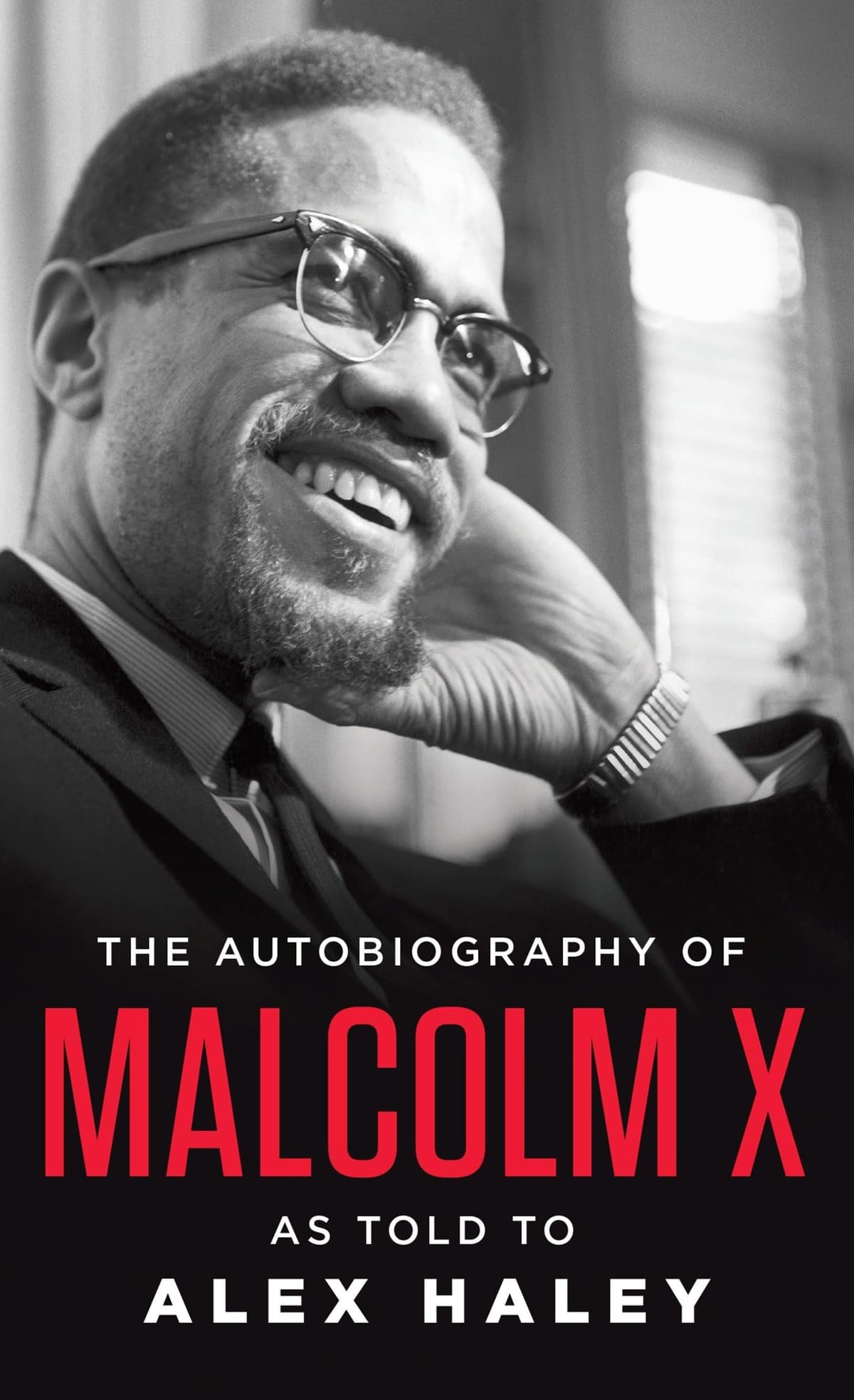
“I'm for truth, no matter who tells it. I'm for justice, no matter who it is for or against.”
The Autobiography of Malcolm X Summary
The Autobiography of Malcolm X traces the extraordinary life of one of America's most influential and controversial figures, from his turbulent childhood in Omaha and Lansing to his transformation into a powerful voice for Black liberation. Born Malcolm Little, he endures the murder of his father, the institutionalization of his mother, and a youth spent in foster homes before drifting into a life of crime in Boston and Harlem. Imprisoned for burglary, Malcolm discovers the Nation of Islam and the teachings of Elijah Muhammad, which give him a framework for understanding racial oppression in America. Upon his release, he rises rapidly through the organization's ranks, becoming its most visible and articulate spokesperson. The narrative follows his pilgrimage to Mecca, where encounters with Muslims of all races shatter his earlier separatist views, leading to a profound spiritual and political evolution.
As told to Alex Haley over a series of intensive interviews, the autobiography stands as one of the defining documents of the American civil rights era. Malcolm's unflinching honesty about his own failings—his criminality, his rage, his capacity for self-deception—gives the work a raw authenticity that transcends conventional memoir. The book explores the psychological devastation of systemic racism, the power of education and self-reinvention, and the complex relationship between personal identity and political ideology. Malcolm's willingness to publicly revise his views, even at great personal cost, makes this a story about intellectual courage as much as racial justice. Published after his assassination in 1965, the autobiography has inspired generations of activists, writers, and thinkers, and remains essential reading for understanding the ongoing struggle for equality in America.
Why Read The Autobiography of Malcolm X?
Few books capture the process of radical self-transformation with such fierce honesty and rhetorical brilliance. The Autobiography of Malcolm X does not ask for sympathy; it demands engagement. Malcolm's voice—sharp, analytical, uncompromising—pulls you through a life that encompasses the full spectrum of the Black American experience in the twentieth century, from rural poverty and urban crime to religious awakening and global political consciousness. Reading it is an encounter with one of the most extraordinary minds of the modern era.
Beyond its historical significance, the autobiography speaks to universal questions about identity, belief, and the courage required to change one's mind. Malcolm's journey from street hustler to international figure demonstrates the transformative power of literacy, discipline, and critical thought. His willingness to abandon deeply held convictions when confronted with new evidence offers a model of intellectual integrity that feels especially urgent today. Whether you come to this book for its insights into American racism, its portrait of a singular personality, or its sheer narrative power, it will challenge your assumptions and stay with you long after the final page.
About Alex Haley
Alex Haley was born in 1921 in Ithaca, New York, and grew up in Henning, Tennessee. After serving twenty years in the United States Coast Guard, where he began writing, Haley pursued a career in journalism, becoming one of the first prominent African American interviewers for Playboy magazine. His collaboration with Malcolm X, conducted through dozens of interviews in the early 1960s, produced one of the most important autobiographies in American literature. Haley went on to write Roots: The Saga of an American Family, which became a cultural phenomenon when adapted as a television miniseries in 1977.
Haley's contribution to The Autobiography of Malcolm X extends beyond mere transcription. His skillful shaping of Malcolm's oral narratives into a cohesive literary work, and his epilogue documenting Malcolm's final months, demonstrate a rare combination of journalistic rigor and literary craft. Haley received the Pulitzer Prize Special Award in 1977 for Roots, and his work fundamentally changed how Americans engaged with the history of slavery and racial identity. He died in 1992, leaving a legacy as a pioneer of narrative nonfiction and oral history who gave voice to stories that mainstream publishing had long ignored.
Reading Guide
Ranked #296 among the greatest books of all time, The Autobiography of Malcolm X by Alex Haley has earned its place in the literary canon. Originally written in English and published in 1965, this accessible read from United States continues to resonate with readers today.
This book belongs to our American Spirit collection, where you can discover more books that share its spirit and themes.
If you enjoy accessible reads like this one, you might also like The Great Gatsby, The Catcher in the Rye, or Pride and Prejudice.
From the American Spirit Collection
If you enjoyed The Autobiography of Malcolm X, discover more masterpieces that share its spirit.
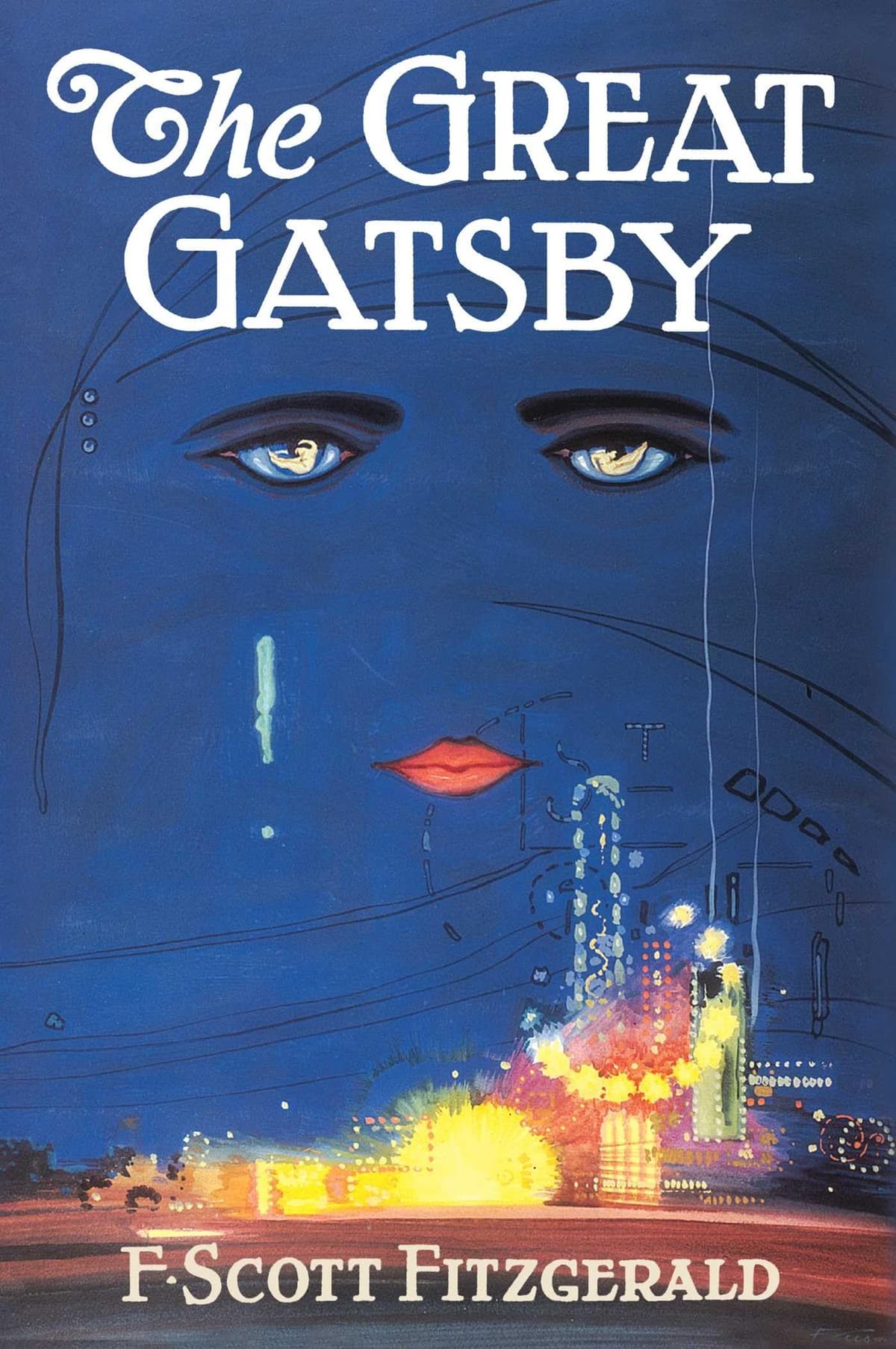 #3View Book
The Great Gatsby
F. Scott Fitzgerald
Accessible•5-6 hours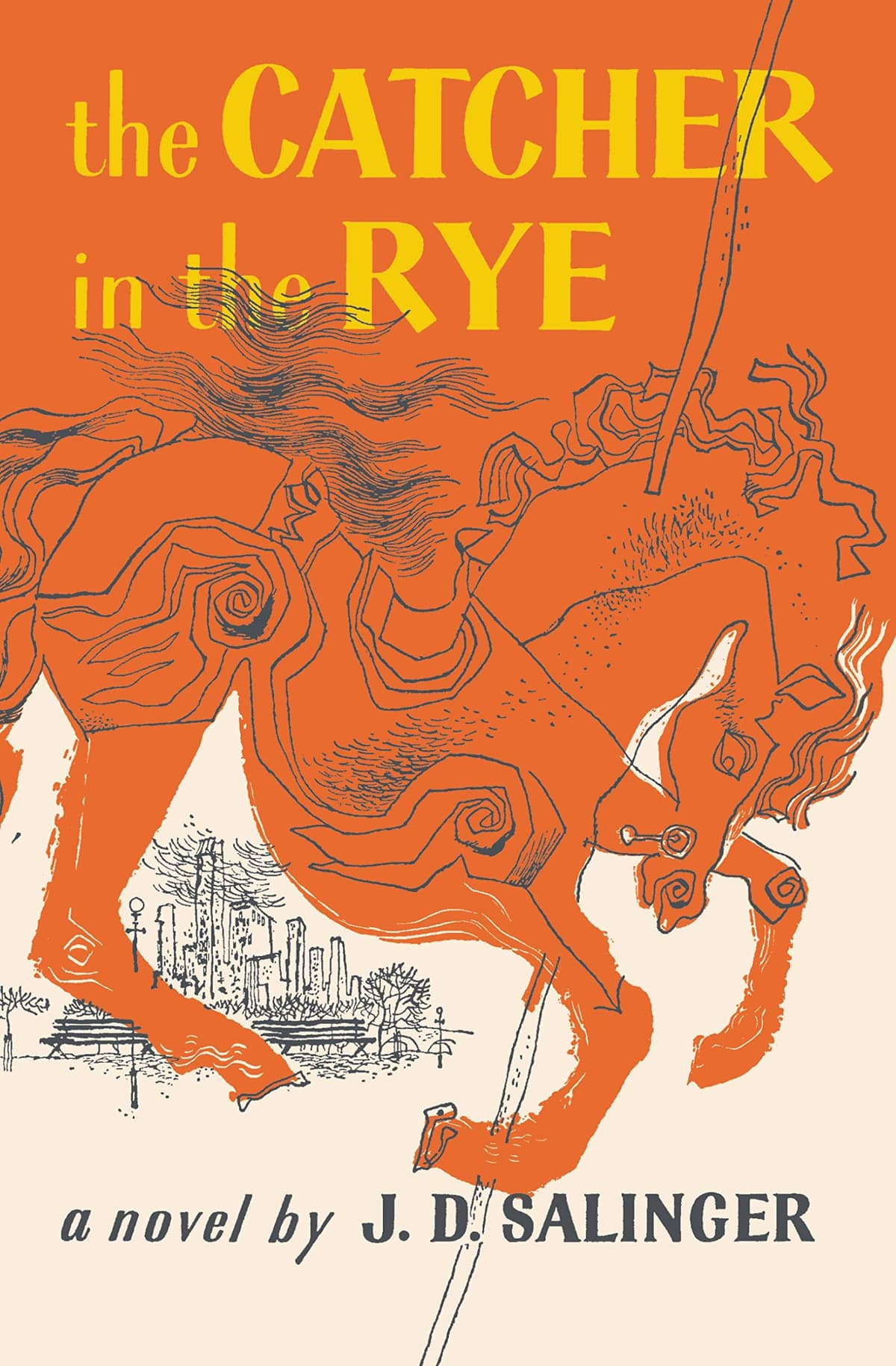 #4View Book
The Catcher in the Rye
J. D. Salinger
Accessible•6-8 hours #13View Book
Lolita
Vladimir Nabokov
Challenging•12-15 hours #17View Book
To Kill a Mockingbird
Harper Lee
Accessible•8-10 hours
Browse more collections