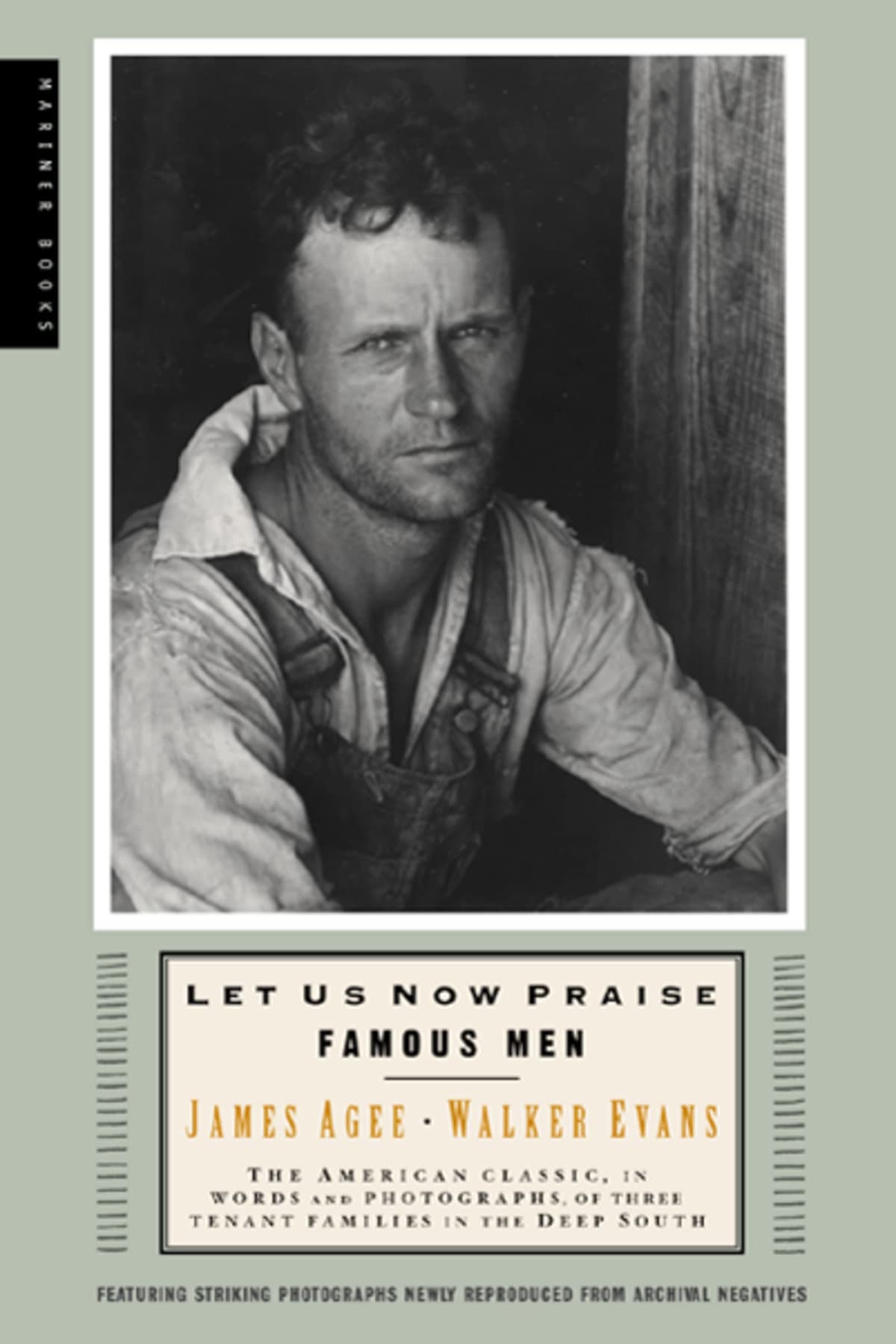
Let Us Now Praise Famous Men
“In every child who is born, under no matter what circumstances, and of no matter what parents, the potentiality of the human race is born again.”
Let Us Now Praise Famous Men Summary
In the summer of 1936, James Agee and photographer Walker Evans traveled to rural Alabama to document the lives of white sharecropper families for Fortune magazine. The resulting work, rejected by the magazine and not published until 1941, is something far stranger and more ambitious than journalism. Agee immerses himself in the daily existence of three tenant families, the Gudgers, the Rickettses, and the Woodses, recording with obsessive precision the texture of their cotton clothing, the grain of their wooden floors, the smell of their food, the weight of their labor in the fields. Every object becomes sacred under his gaze: a pair of work shoes, a kerosene lamp, a child's face in firelight. Yet Agee simultaneously interrogates his own project with agonized self-awareness, questioning whether any act of representation can avoid exploiting its subjects, whether language itself is adequate to the reality of human suffering and dignity.
The result is one of the most extraordinary and unclassifiable works in American literature. Part documentary, part prose poem, part philosophical meditation, part confession, Let Us Now Praise Famous Men explodes the boundaries between genres with a ferocity that remains shocking. Agee's baroque, incantatory prose reaches for a kind of religious intensity, attempting to honor human existence in all its specificity and mystery. Walker Evans's stark, luminous photographs, placed at the beginning without captions, stand as an independent artistic statement. Together, they created a work that is at once a portrait of Depression-era poverty, a crisis of artistic conscience, and a hymn to the irreducible dignity of ordinary life.
Why Read Let Us Now Praise Famous Men?
Let Us Now Praise Famous Men will change the way you see ordinary objects, ordinary rooms, ordinary lives. Agee writes about poverty not with the detached sympathy of a journalist but with the desperate intensity of a man trying to make language bear witness to something that language may not be equipped to hold. His descriptions of a sharecropper's house, its walls, its beds, its smells, achieve a luminous particularity that transforms the mundane into the sacred. You will never look at a wooden floor or a work shirt the same way after reading this book.
But this is also a profoundly honest book about the ethics of looking, of writing, of turning other people's suffering into art. Agee's self-interrogation, his refusal to let himself or the reader off the hook, gives the work a moral seriousness that most documentary writing lacks entirely. If you care about America, about class, about the relationship between art and justice, or simply about what the English language can do when pushed to its limits by a writer of extraordinary gifts, this is an indispensable work. It is difficult, demanding, and at times overwhelming, but it is also one of the most beautiful books ever written about American life.
About James Agee
James Agee was born in 1909 in Knoxville, Tennessee. His father's death in an automobile accident when Agee was six years old became the defining event of his life, the wound he would spend his career trying to articulate. He attended Phillips Exeter Academy and Harvard University, where he won a poetry prize, and joined the staff of Fortune magazine shortly after graduation. His assignment to document Alabama sharecroppers in 1936 with Walker Evans produced the work that would become his masterpiece.
Agee was a man of prodigious and restless talent who worked across multiple forms. He was a celebrated film critic for Time and The Nation, whose reviews are still considered among the finest ever written in America. He wrote the screenplay for John Huston's The African Queen and the documentary The Quiet One. His autobiographical novel A Death in the Family, published posthumously in 1957, won the Pulitzer Prize for Fiction. Agee died of a heart attack in a New York taxi in 1955, at the age of forty-five, his enormous gifts only partially realized. His influence on literary nonfiction, from the New Journalism to contemporary memoir, has been profound and enduring.
Reading Guide
Ranked #439 among the greatest books of all time, Let Us Now Praise Famous Men by James Agee has earned its place in the literary canon. Originally written in English and published in 1941, this challenging read from United States continues to resonate with readers today.
This book belongs to our American Spirit collection, where you can discover more books that share its spirit and themes.
If you enjoy challenging reads like this one, you might also like Ulysses, Moby-Dick, or Lolita.
From the American Spirit Collection
If you enjoyed Let Us Now Praise Famous Men, discover more masterpieces that share its spirit.
 #3View Book
The Great Gatsby
F. Scott Fitzgerald
Accessible•5-6 hours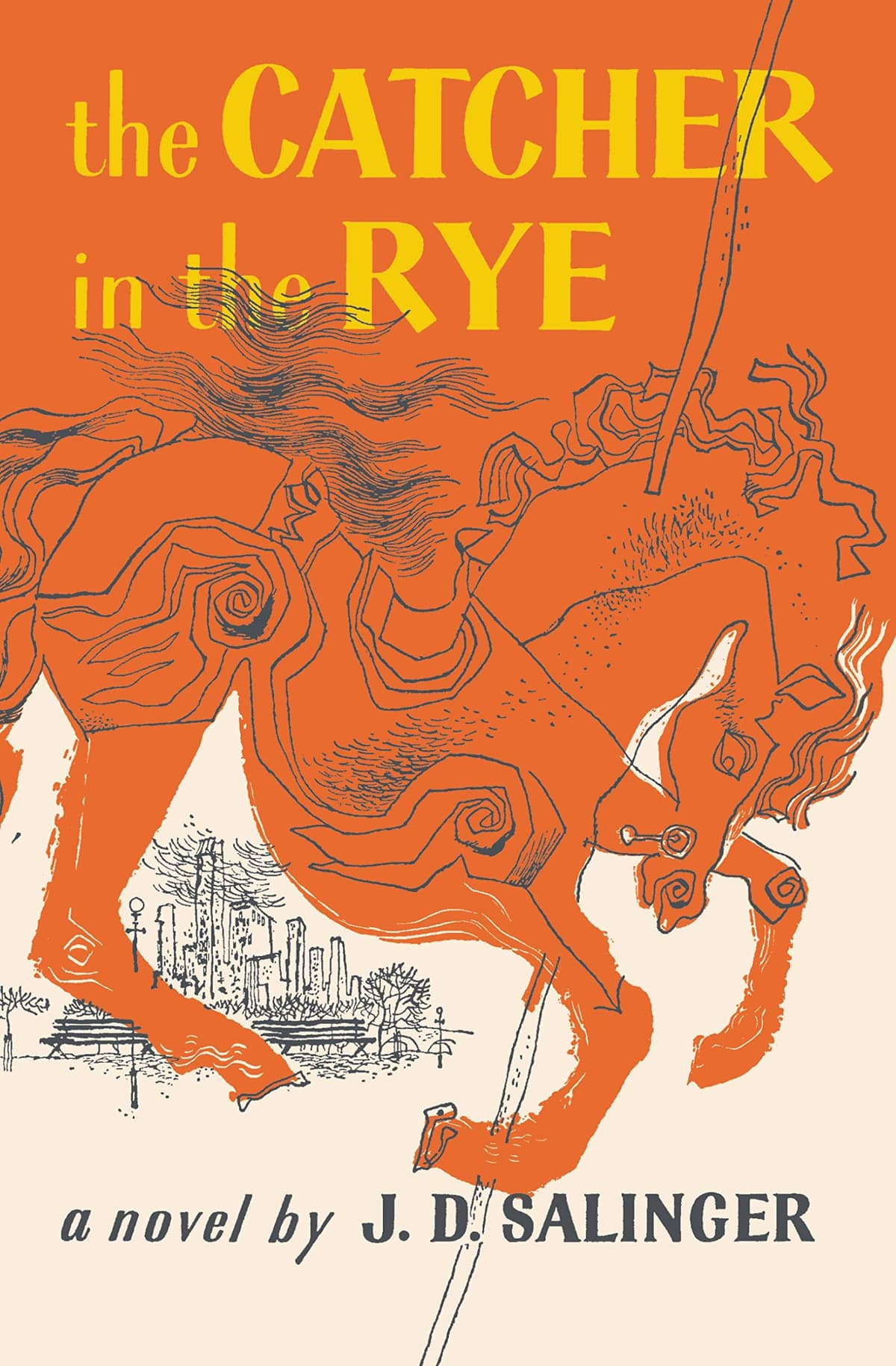 #4View Book
The Catcher in the Rye
J. D. Salinger
Accessible•6-8 hours #13View Book
Lolita
Vladimir Nabokov
Challenging•12-15 hours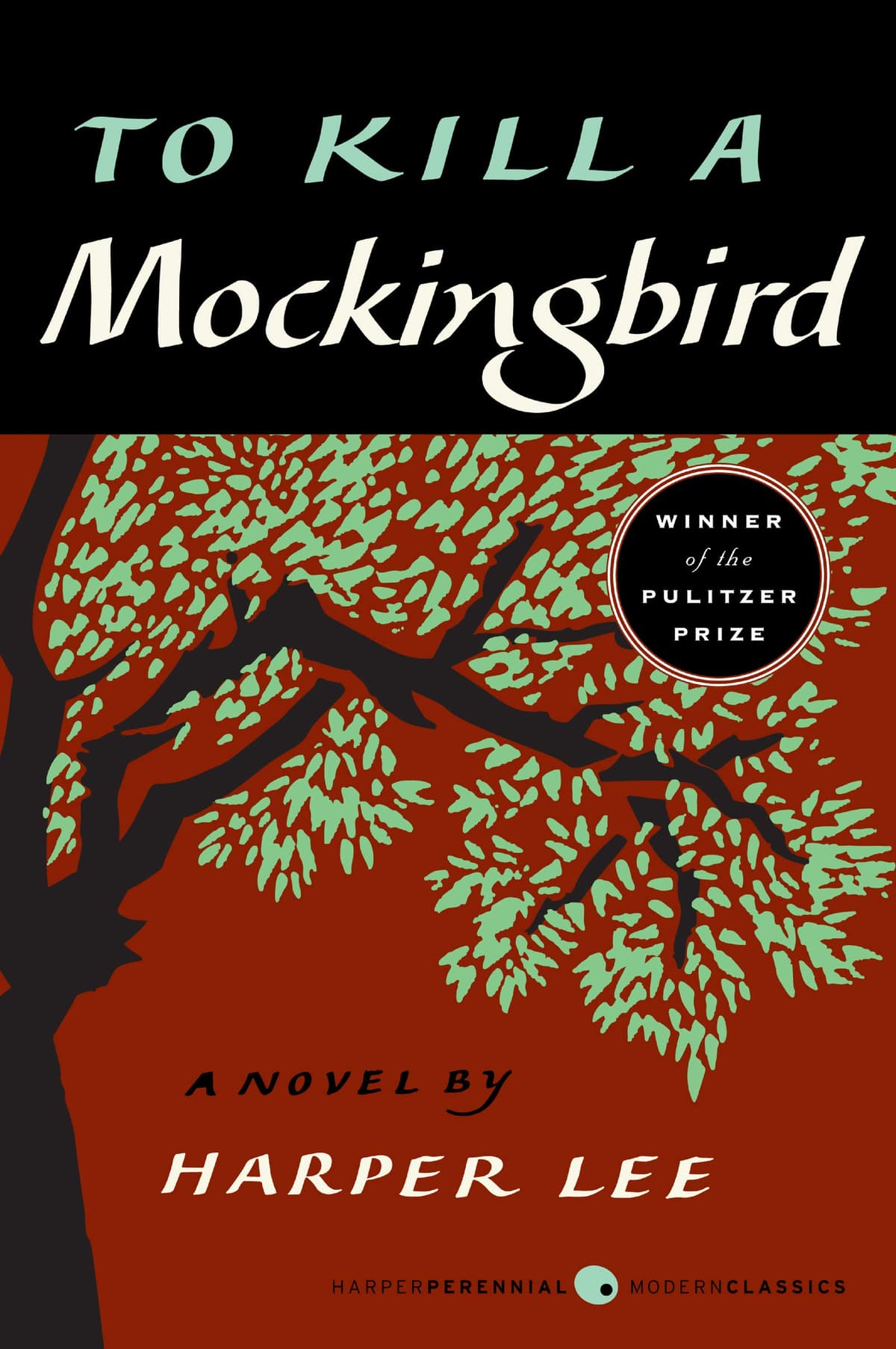 #17View Book
To Kill a Mockingbird
Harper Lee
Accessible•8-10 hours
Browse more collections