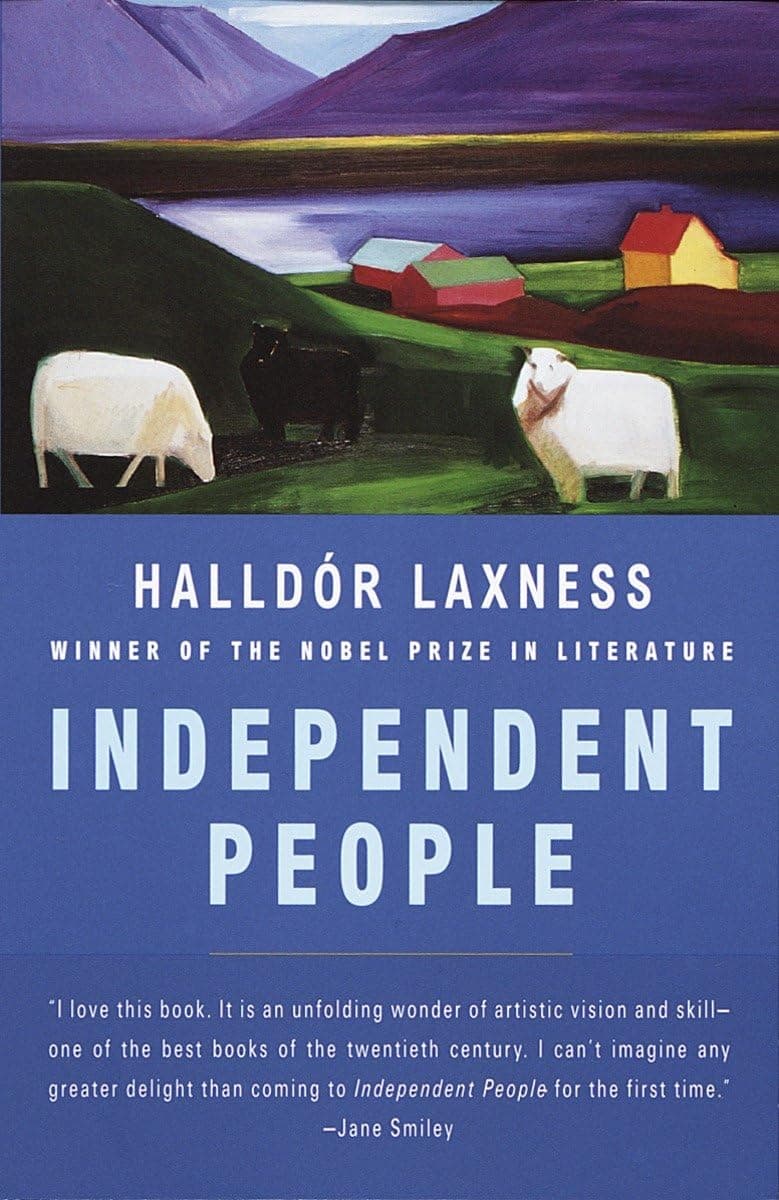
Independent People
“There is always someone who has the power to ruin the poetry of life for you.”
Independent People Summary
Bjartur of Summerhouses is an Icelandic sheep farmer who, after eighteen years of indentured service, finally acquires his own croft and sets out to live as a free man beholden to no one. His ferocious independence becomes both his greatest strength and his most destructive flaw as he battles the relentless Icelandic landscape, grinding poverty, the death of livestock, and the disintegration of his family. His wives suffer and die, his children grow distant or rebellious, and his beloved daughter Asta Sollilja endures hardship that mirrors and exceeds his own. Through decades of economic depression, world war, and the slow modernization of Iceland, Bjartur clings to his vision of self-sufficiency with a stubbornness that is by turns heroic, absurd, and heartbreaking. The sheep that sustain him also become the measure of his isolation, as he sacrifices every human connection for the dream of owning his land free and clear.
Halldór Laxness's masterwork is an epic novel of extraordinary range, blending naturalistic detail with mythic grandeur, biting social satire with deep compassion. The Icelandic landscape is rendered with a visceral power that makes it a character in its own right: the storms, the bogs, the skeletal winters that test every living thing to its limit. Beneath the surface story of one man's stubborn pride runs a penetrating critique of capitalism, colonialism, and the myths of individualism. Laxness writes with a voice that can shift from lyricism to earthy comedy to devastating pathos within a single paragraph, creating a reading experience as vast and unpredictable as Iceland itself.
Why Read Independent People?
Bjartur of Summerhouses is one of the most unforgettable characters in world literature, a man whose iron will and stubborn pride make him simultaneously magnificent and infuriating. Laxness plunges readers into the harsh beauty of the Icelandic landscape with such sensory immediacy that the wind, the rain, and the endless struggle for survival become almost physically palpable. The novel's scope is vast, spanning decades of Icelandic history, yet it never loses sight of the intimate human costs of its hero's relentless pursuit of freedom.
What makes Independent People a truly great novel is the way it transforms a story of rural poverty into a universal meditation on the meaning of independence itself. Laxness asks whether self-reliance, taken to its logical extreme, becomes a form of self-destruction, and whether the myths a culture tells about itself can blind it to its own suffering. The prose shifts between lyrical beauty and savage wit, and the emotional range is extraordinary, from moments of genuine comedy to passages of almost unbearable grief. This is one of the essential novels of the twentieth century, the kind of book that permanently enlarges the reader's understanding of what human beings can endure and what fiction can achieve.
About Halldór Laxness
Halldór Laxness was born Halldór Guðjónsson in Reykjavik, Iceland, in 1902 and grew up on a farm outside the capital, an experience that deeply informed his literary imagination. A restless intellectual, he converted to Catholicism as a young man, lived in a Benedictine monastery, traveled extensively through Europe and America, and embraced socialism before returning permanently to Iceland. His early experimental novels gave way to the sweeping social realism of his mature work, which drew on Icelandic saga traditions while engaging directly with the political and economic struggles of modern Iceland.
Laxness published more than sixty books over a career spanning six decades, including novels, plays, poetry, memoirs, and essays. Independent People, published in 1934-35, is widely regarded as his masterpiece and one of the greatest novels of the twentieth century. He was awarded the Nobel Prize in Literature in 1955 for his vivid epic power, which renewed the great narrative art of Iceland. His other major novels include The Great Weaver from Kashmir, World Light, and Iceland's Bell. Laxness died in 1998, and his legacy as Iceland's greatest modern writer remains unchallenged. His work continues to find new readers worldwide, celebrated for its unique blend of epic scope, political engagement, and mordant humor.
Reading Guide
Ranked #294 among the greatest books of all time, Independent People by Halldór Laxness has earned its place in the literary canon. Originally written in Icelandic and published in 1934, this challenging read from Iceland continues to resonate with readers today.
This book belongs to our Epics collection, where you can discover more books that share its spirit and themes.
If you enjoy challenging reads like this one, you might also like Ulysses, Moby-Dick, or Lolita.
From the Epics Collection
If you enjoyed Independent People, discover more masterpieces that share its spirit.
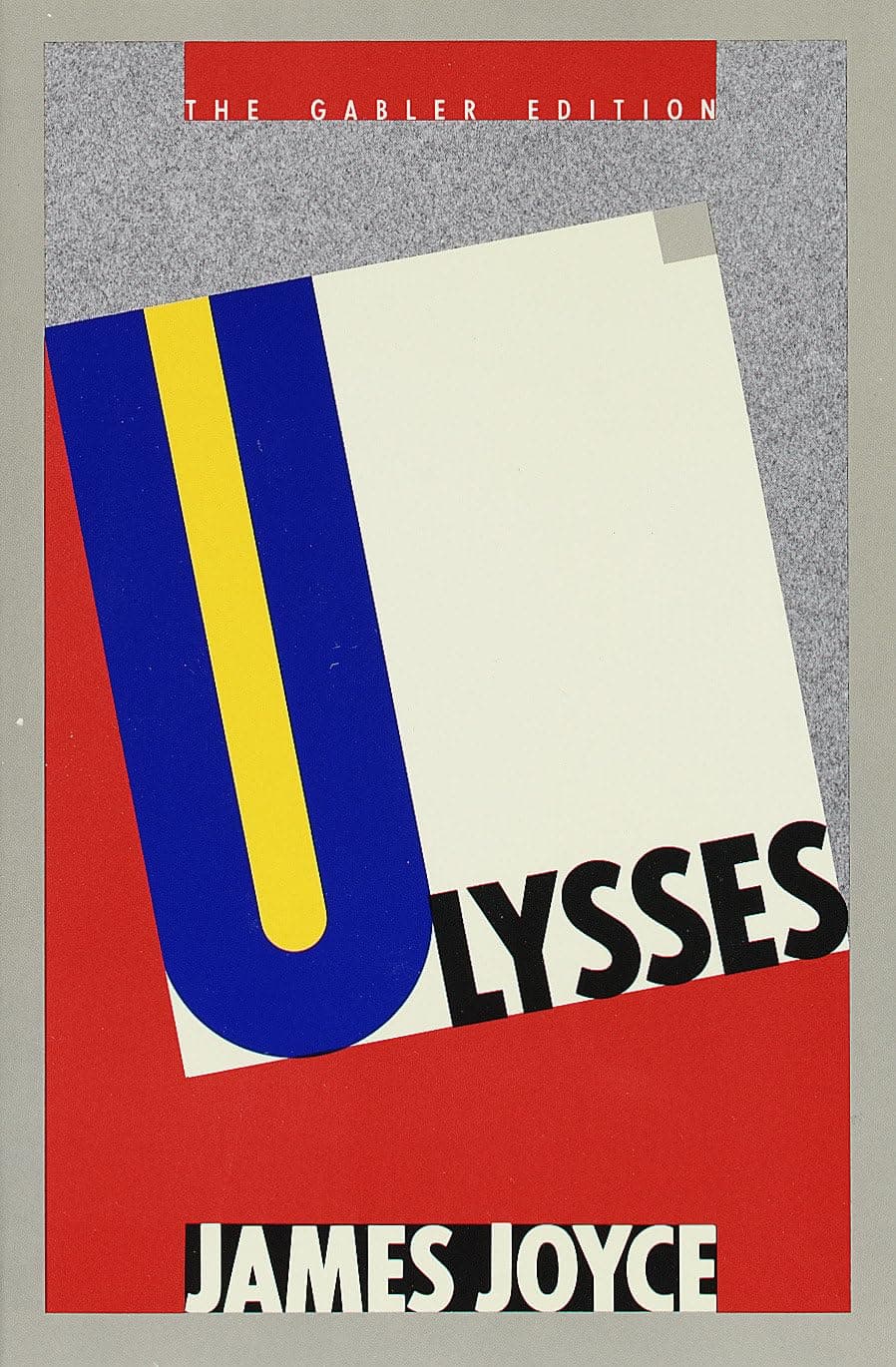 #1View Book
Ulysses
James Joyce
Challenging•35-40 hours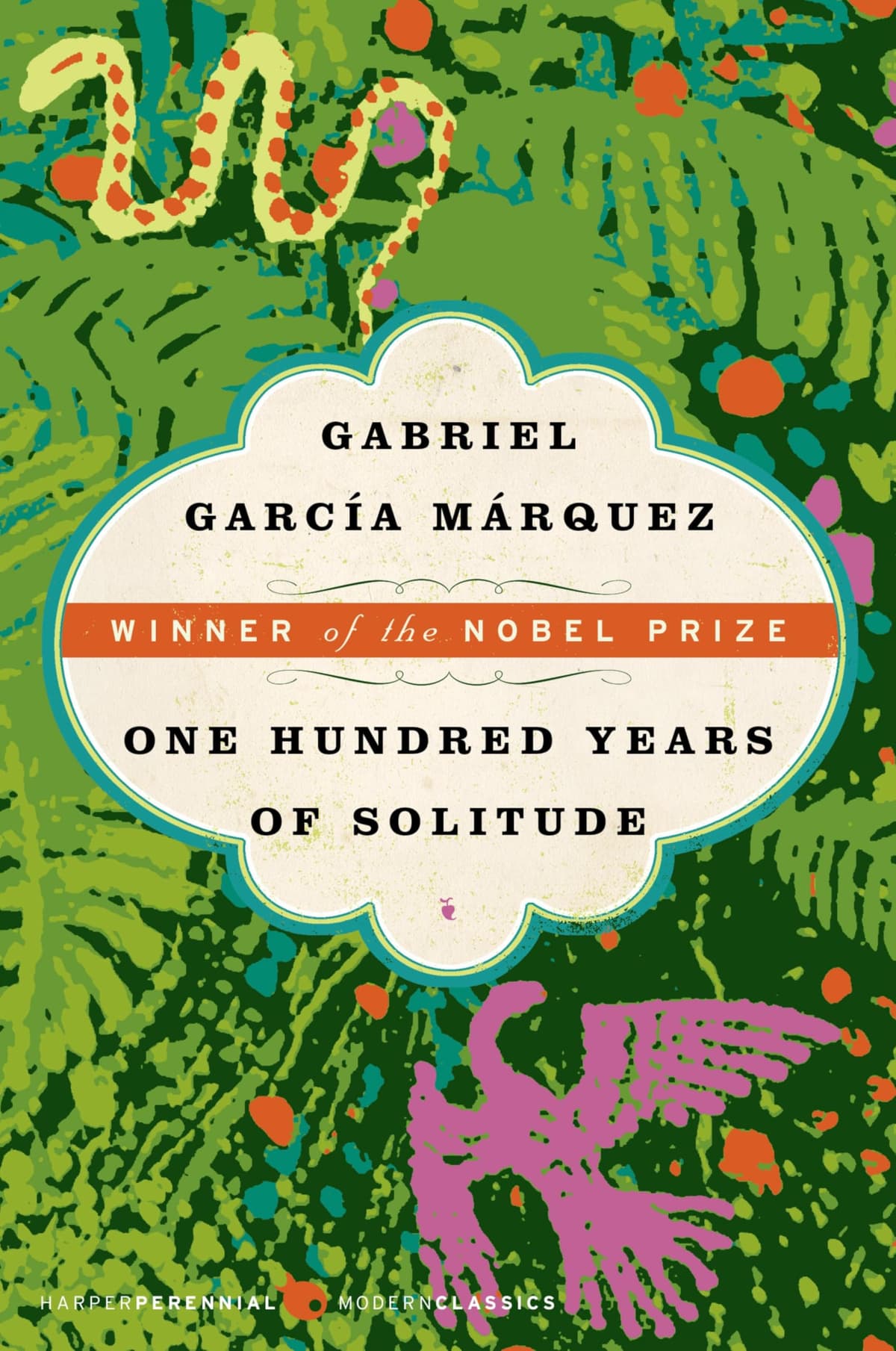 #5View Book
One Hundred Years of Solitude
Gabriel García Márquez
Moderate•15-20 hours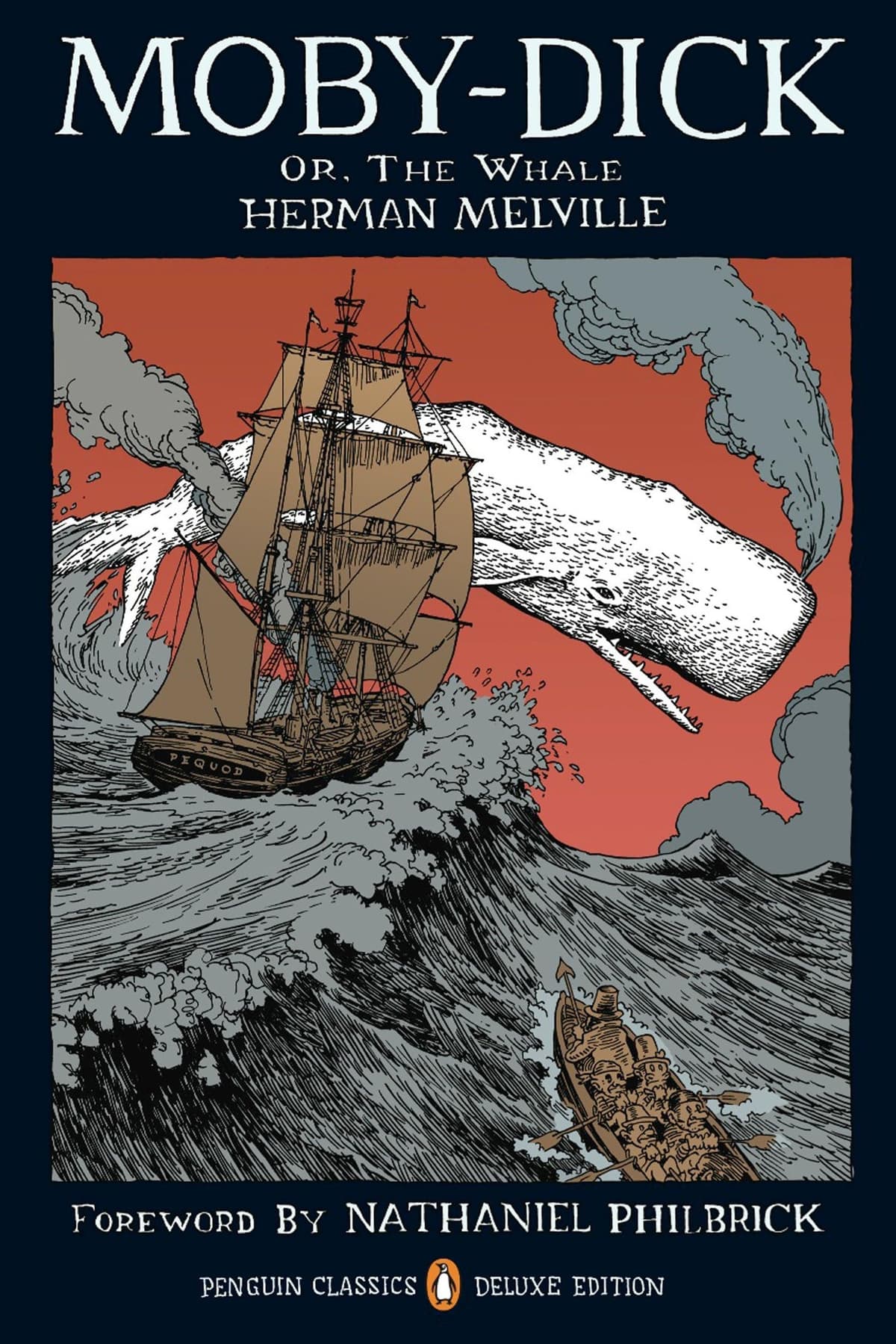 #7View Book
Moby-Dick
Herman Melville
Challenging•20-25 hours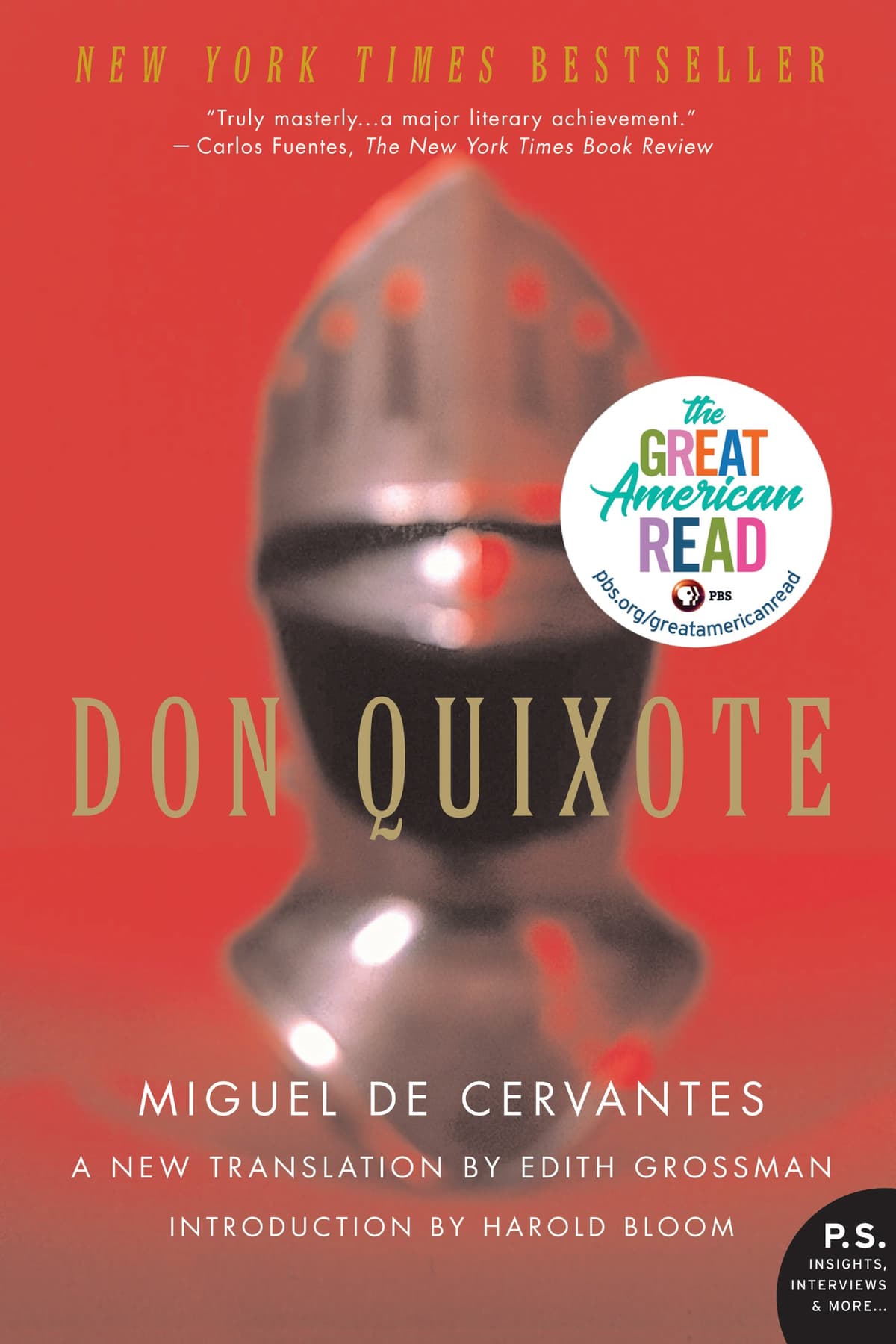 #9View Book
Don Quixote
Miguel de Cervantes
High•35-40 hours
Browse more collections