Herzog
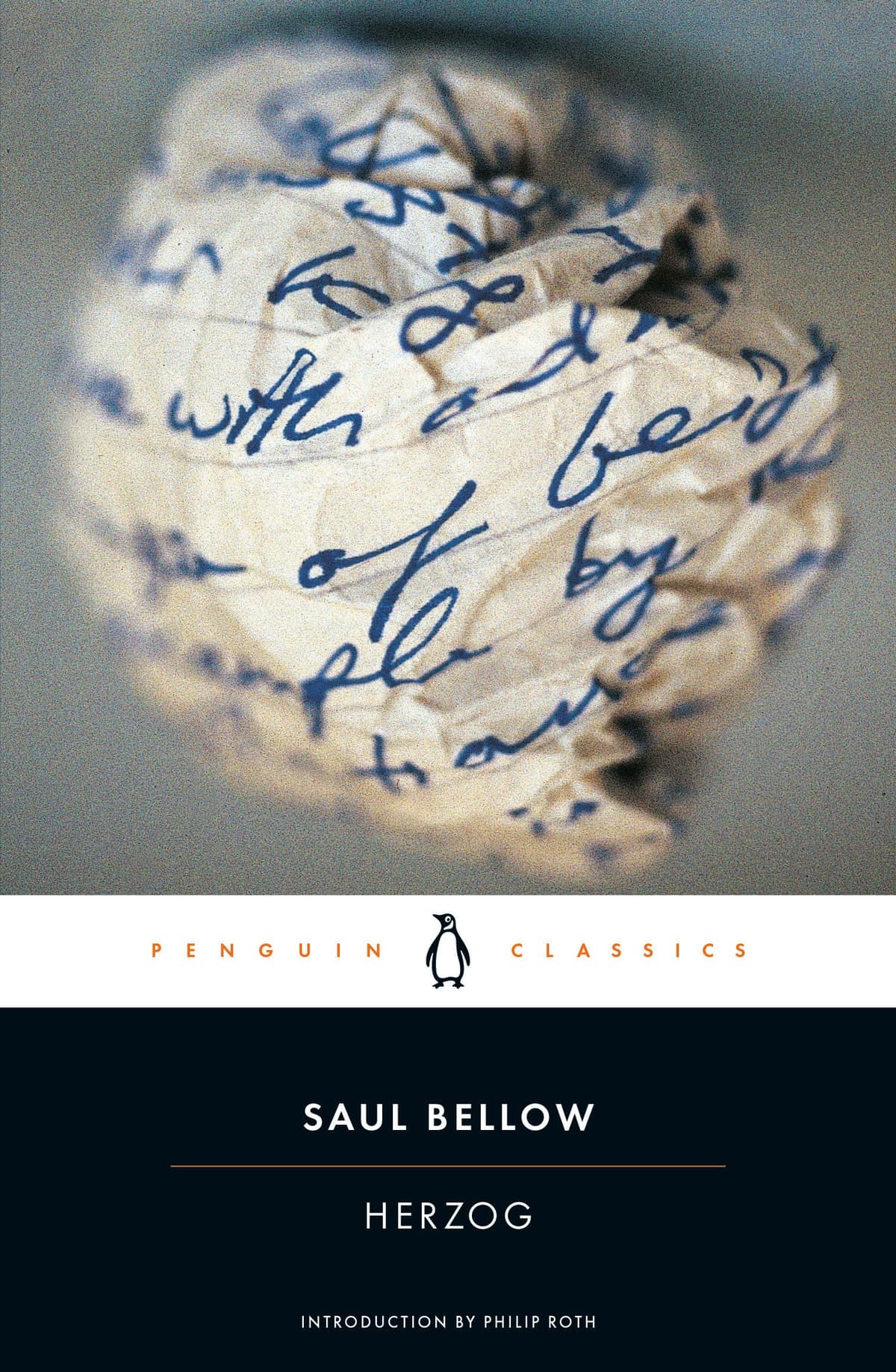
“If I am out of my mind, it's all right with me, thought Moses Herzog.”
Herzog Summary
Herzog traces the mental and emotional unraveling of Moses E. Herzog, a middle-aged Jewish intellectual in the aftermath of his second divorce. Cuckolded by his best friend Valentine Gersbach and abandoned by his wife Madeleine, Herzog ricochets between his decaying country house in the Berkshires, the streets of New York, and the corridors of his own feverish mind. His primary activity is composing frantic, unsent letters to friends, enemies, public figures, philosophers, and the dead, arguing passionately with Heidegger, Nietzsche, his psychiatrist, his lawyer, and the President of the United States. Through these letters and the memories they trigger, the full story of his marriages, his academic career, his childhood in Montreal, and his current crisis emerges in brilliant, fragmented detail.
Bellow's novel is at once a devastating portrait of intellectual vanity and a deeply compassionate study of a man trying to think his way out of suffering. Herzog is ridiculous and magnificent, a man whose vast learning does nothing to shield him from the ordinary catastrophes of love and betrayal. The novel questions whether the life of the mind offers any real protection against the chaos of emotional experience, and whether ideas, however brilliant, can ever adequately explain the mess of human relationships. Bellow's prose is dazzling in its range, moving from high philosophical discourse to earthy comedy to passages of lyrical tenderness. Herzog ultimately arrives at a fragile peace, not through intellectual resolution but through sheer exhaustion and a grudging acceptance of life's resistance to theory. It is one of the great American novels of the twentieth century, a book that takes the comedy of being too smart for your own good and turns it into art.
Why Read Herzog?
There are few characters in American fiction as simultaneously infuriating and lovable as Moses Herzog. Bellow has created a man whose intelligence is both his greatest gift and his worst enemy, someone who can brilliantly analyze the failures of Western civilization but cannot manage his own household. If you have ever overthought a personal crisis, composed imaginary arguments in the shower, or tried to reason your way out of heartbreak, Herzog will feel uncomfortably familiar.
Beyond the comedy of intellectual hubris, this novel contains some of the finest prose in the English language. Bellow writes with a vitality and range that encompasses slapstick, philosophy, social observation, and moments of genuine emotional revelation. Reading Herzog is like having a conversation with someone who is brilliant, wounded, hilarious, and exasperating in equal measure. It will challenge you to consider the relationship between what you know and how you live, and whether the examined life is really all it is cracked up to be.
About Saul Bellow
Saul Bellow (1915-2005) was born in Lachine, Quebec, to Russian-Jewish immigrant parents and raised in Chicago, which became the great city of his imagination. He attended the University of Chicago and Northwestern University, studying anthropology and sociology before turning to fiction. His early novels, Dangling Man (1944) and The Victim (1947), established him as a serious literary talent, but it was The Adventures of Augie March (1953) that announced his mature style: expansive, intellectually voracious, and unmistakably American in its energy.
Bellow won the National Book Award three times, the Pulitzer Prize for Humboldt's Gift (1975), and the Nobel Prize in Literature in 1976, cited for the human understanding and subtle analysis of contemporary culture combined in his work. Herzog (1964) was his commercial breakthrough, spending months on the bestseller list and crystallizing his reputation as the preeminent American novelist of his era. Other major works include Mr. Sammler's Planet (1970), The Dean's December (1982), and Ravelstein (2000). Throughout his career, Bellow championed the novel of ideas, insisting that fiction could be both intellectually rigorous and emotionally alive. He taught for decades at the University of Chicago and Boston University, influencing generations of writers. He remains one of the towering figures of postwar American literature.
Reading Guide
Ranked #321 among the greatest books of all time, Herzog by Saul Bellow has earned its place in the literary canon. Originally written in English and published in 1964, this challenging read from United States continues to resonate with readers today.
This book belongs to our Modern Mind and American Spirit collections, where you can discover more books that share its spirit and themes.
If you enjoy challenging reads like this one, you might also like Ulysses, Moby-Dick, or Lolita.
From the Modern Mind Collection
If you enjoyed Herzog, discover more masterpieces that share its spirit.
 #1View Book
Ulysses
James Joyce
Challenging•35-40 hours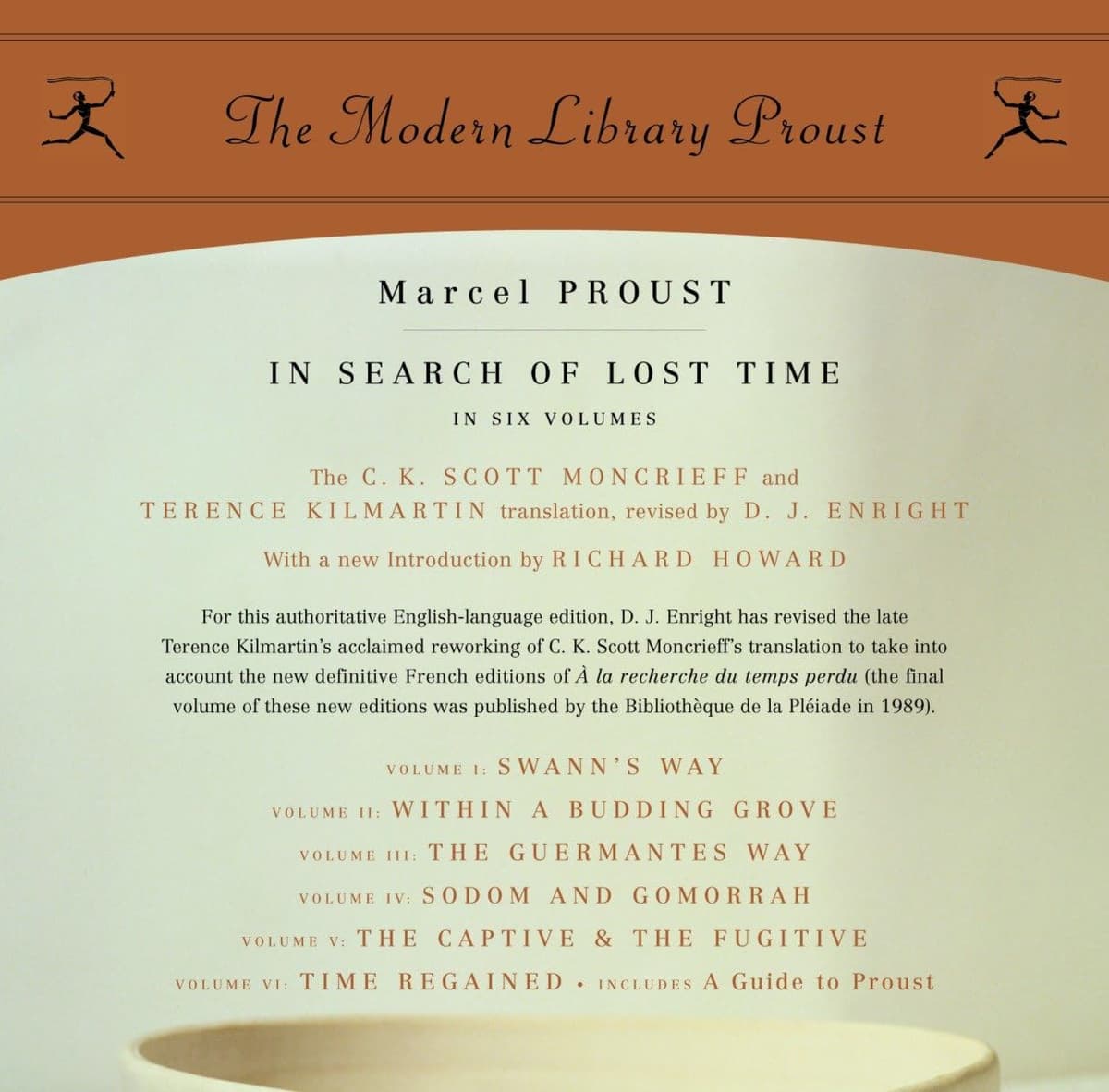 #2View Book
In Search of Lost Time
Marcel Proust
High•100+ hours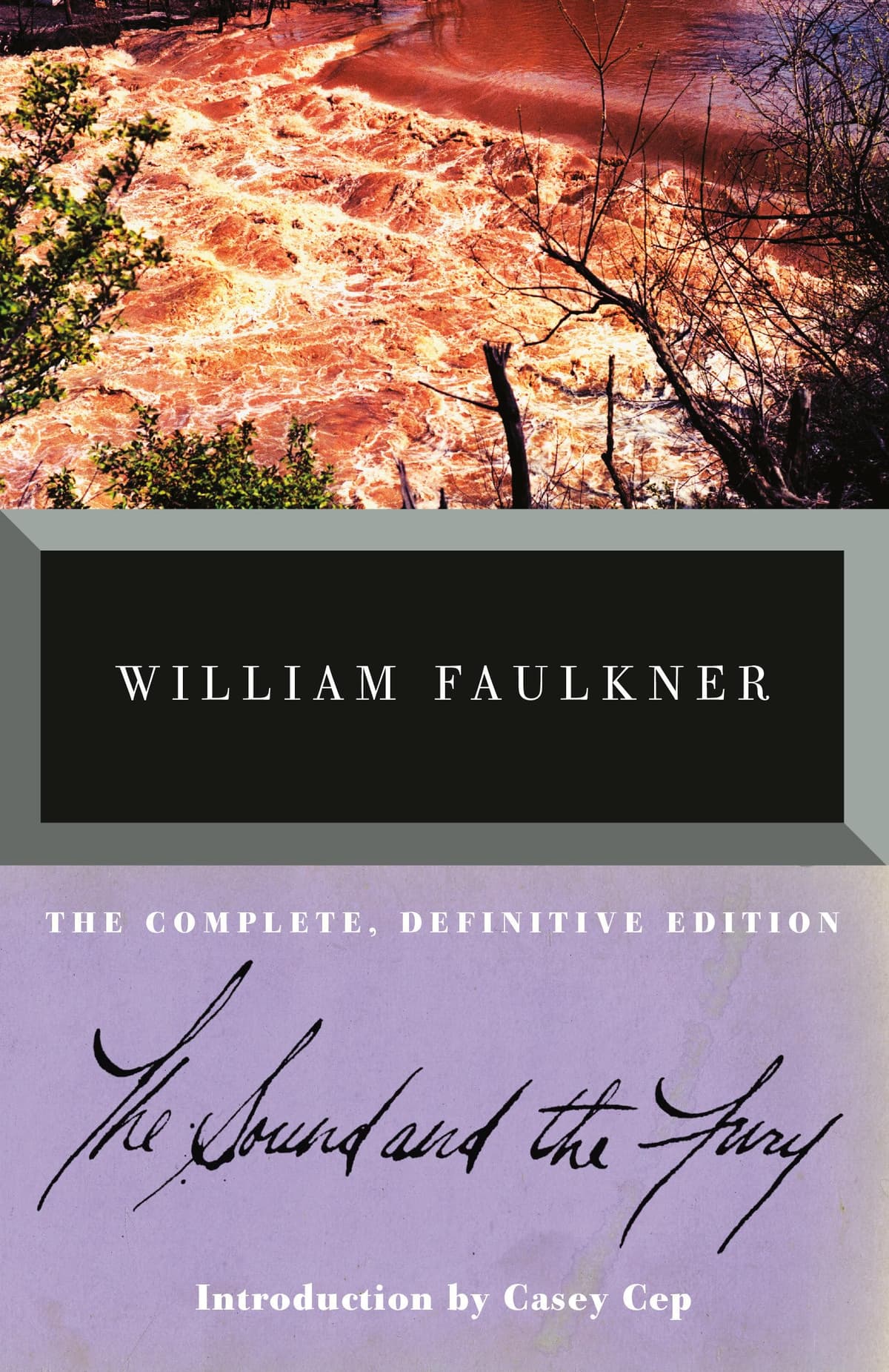 #8View Book
The Sound and the Fury
William Faulkner
Very High•12-15 hours #13View Book
Lolita
Vladimir Nabokov
Challenging•12-15 hours
Browse more collections