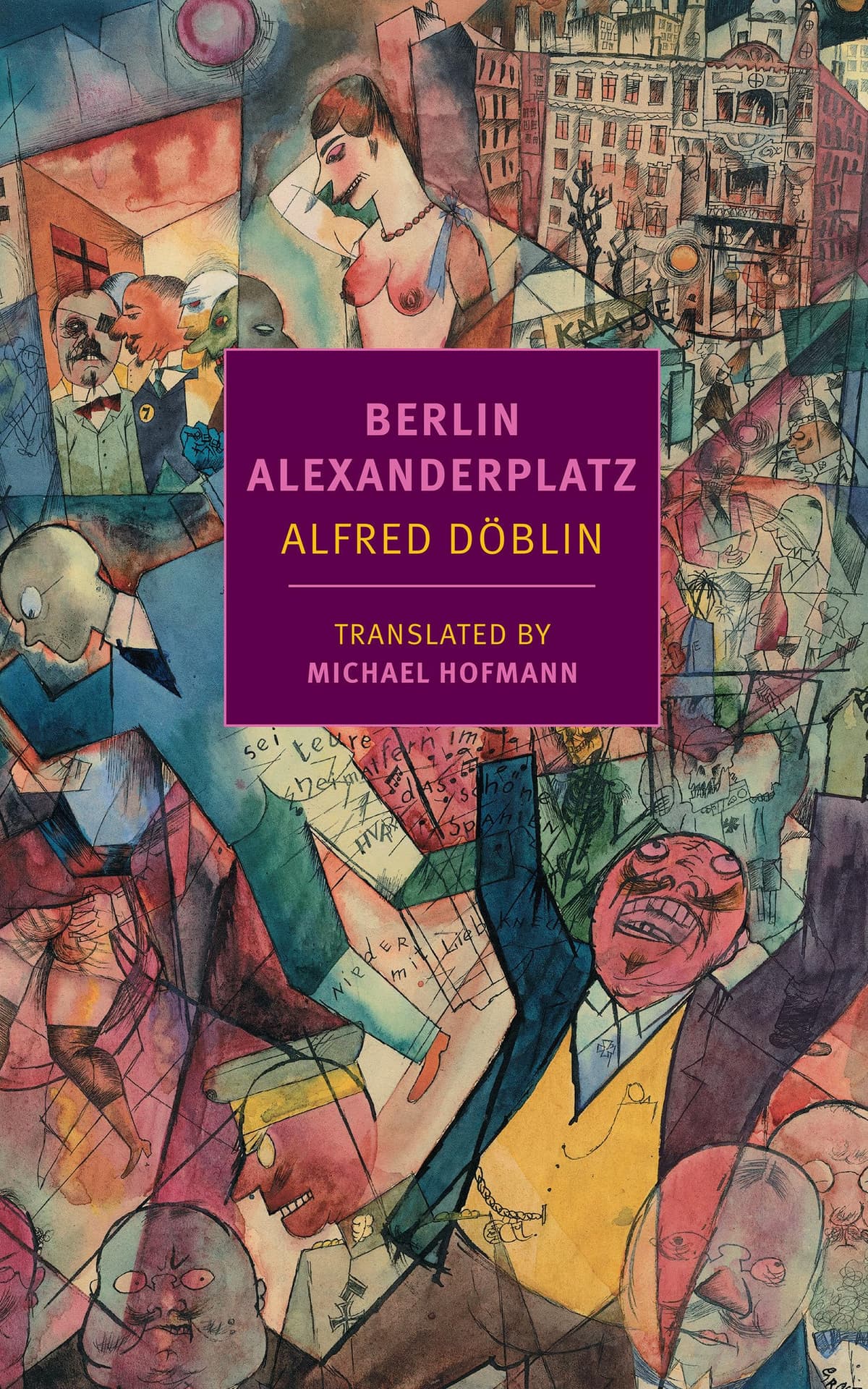
Berlin Alexanderplatz
“There is no reason for a man to be alive unless he has a reason to be alive.”
Berlin Alexanderplatz Summary
Franz Biberkopf, a former cement worker and small-time criminal, walks out of Berlin's Tegel Prison determined to go straight. The city swallows him whole. Weimar-era Berlin—its tenements, slaughterhouses, beer halls, tram lines, and newspaper headlines—floods the novel in a roaring montage of voices, advertisements, weather reports, biblical allusions, and street slang. Franz tries to sell newspapers, tie pins, shoelaces. He falls in with Reinhold, a psychopath whose friendship will cost Franz his arm and the life of the woman he loves. Again and again, the city knocks him down; again and again, he staggers to his feet, a modern-day Job refusing to understand why the world will not let him be decent.
Döblin's masterpiece is the great German modernist novel—Berlin's answer to Joyce's Ulysses and Dos Passos's Manhattan Transfer. The prose is a torrent of competing registers: high and low, sacred and profane, lyrical and bureaucratic, all colliding in a symphony of urban noise. The narrative technique—montage, interior monologue, cinematic jump cuts—mirrors the overwhelming sensory assault of the modern metropolis. Yet at its heart, this is an achingly human story about a simple man's desire for decency in a world that rewards only ruthlessness. Berlin itself is the true protagonist, rendered with a furious love that anticipates the city's coming destruction. It is a novel that vibrates with the electric, doomed energy of a civilization on the brink.
Why Read Berlin Alexanderplatz?
If you want to know what a city sounds like—not described from a distance but heard from the inside, in all its deafening, contradictory, magnificent noise—Berlin Alexanderplatz is the novel for you. Döblin invented a literary technique that captures the sensory overload of urban life more convincingly than any novelist before or since. The pages crackle with the energy of a Berlin that was, in 1929, the most electrifying and dangerous city in Europe. You will feel the cobblestones under your feet, hear the trams and the hawkers, smell the slaughterhouse blood.
But this is not merely a technical showpiece. At its center is Franz Biberkopf, one of the most deeply human characters in twentieth-century fiction—a man of limited intelligence and enormous heart who wants nothing more than to live honestly and keeps getting destroyed for it. His story is a parable of modern existence: the individual crushed by forces too vast to comprehend, yet stubbornly refusing to surrender his humanity. Read it and you will understand why this novel stands beside Ulysses as one of modernism's supreme achievements.
About Alfred Döblin
Alfred Döblin (1878-1957) was born in Stettin, Germany (now Szczecin, Poland), to a Jewish family. He studied medicine in Berlin and Freiburg, eventually practicing as a neurologist and psychiatrist in Berlin's working-class eastern districts—an experience that saturated his fiction with the textures of urban poverty. He was a prolific writer from his youth, associated with the Expressionist movement, and published numerous novels before Berlin Alexanderplatz made him famous in 1929.
When the Nazis came to power in 1933, Döblin fled to France and eventually to the United States, where he converted to Catholicism and struggled in obscurity. He returned to Germany after the war but found a country unwilling to reckon with its past or embrace its exiled writers. He died in relative neglect. Berlin Alexanderplatz, however, has endured as the definitive novel of Weimar Berlin, adapted into Rainer Werner Fassbinder's legendary fifteen-hour television film and recognized as one of the most innovative works of modernist fiction ever written.
Reading Guide
Ranked #200 among the greatest books of all time, Berlin Alexanderplatz by Alfred Döblin has earned its place in the literary canon. Originally written in German and published in 1929, this challenging read from Germany continues to resonate with readers today.
This book belongs to our Modern Mind and Society & Satire collections, where you can discover more books that share its spirit and themes.
If you enjoy challenging reads like this one, you might also like Ulysses, Moby-Dick, or Lolita.
From the Modern Mind Collection
If you enjoyed Berlin Alexanderplatz, discover more masterpieces that share its spirit.
 #1View Book
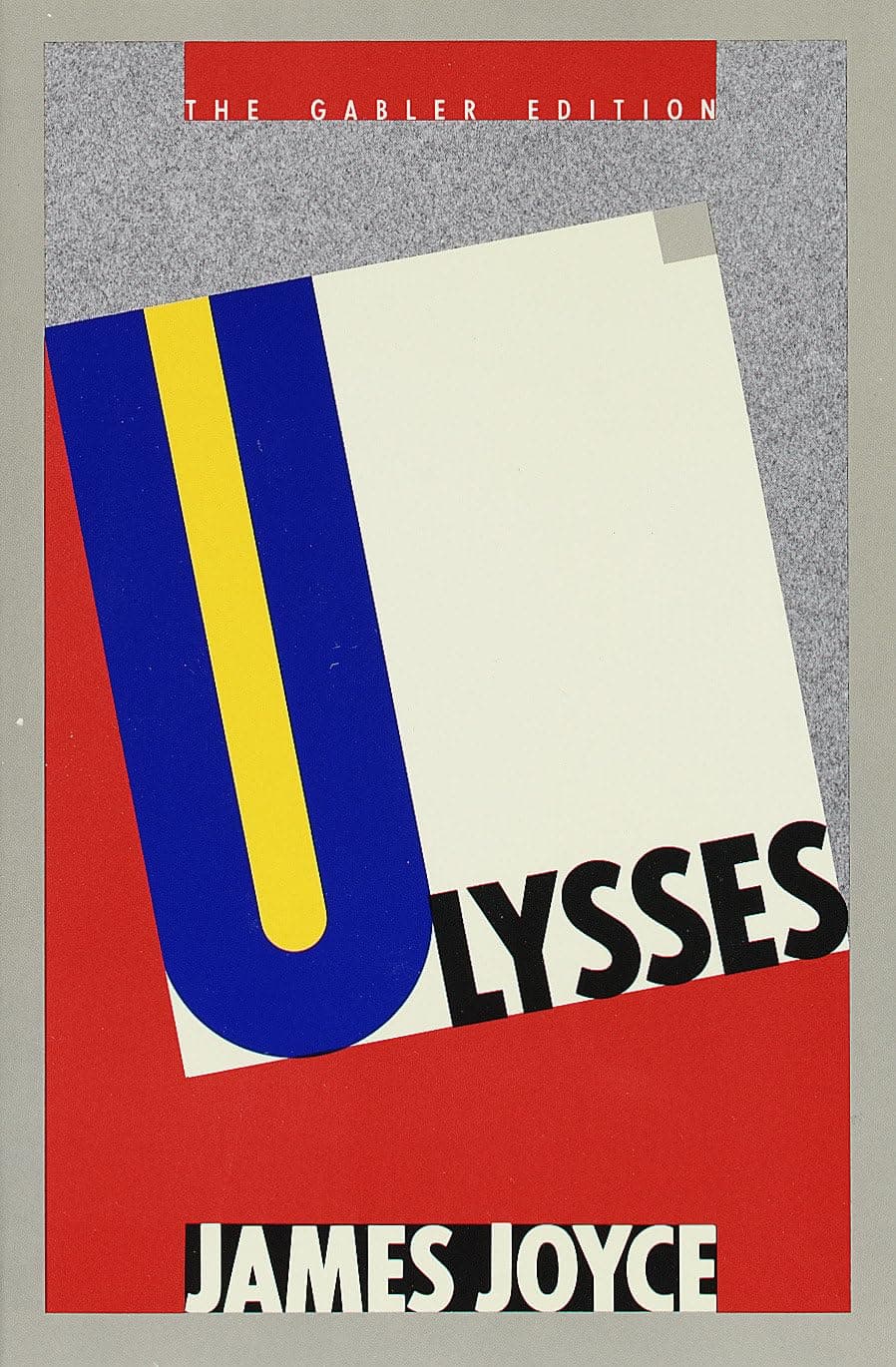
Ulysses
James Joyce
Challenging•35-40 hours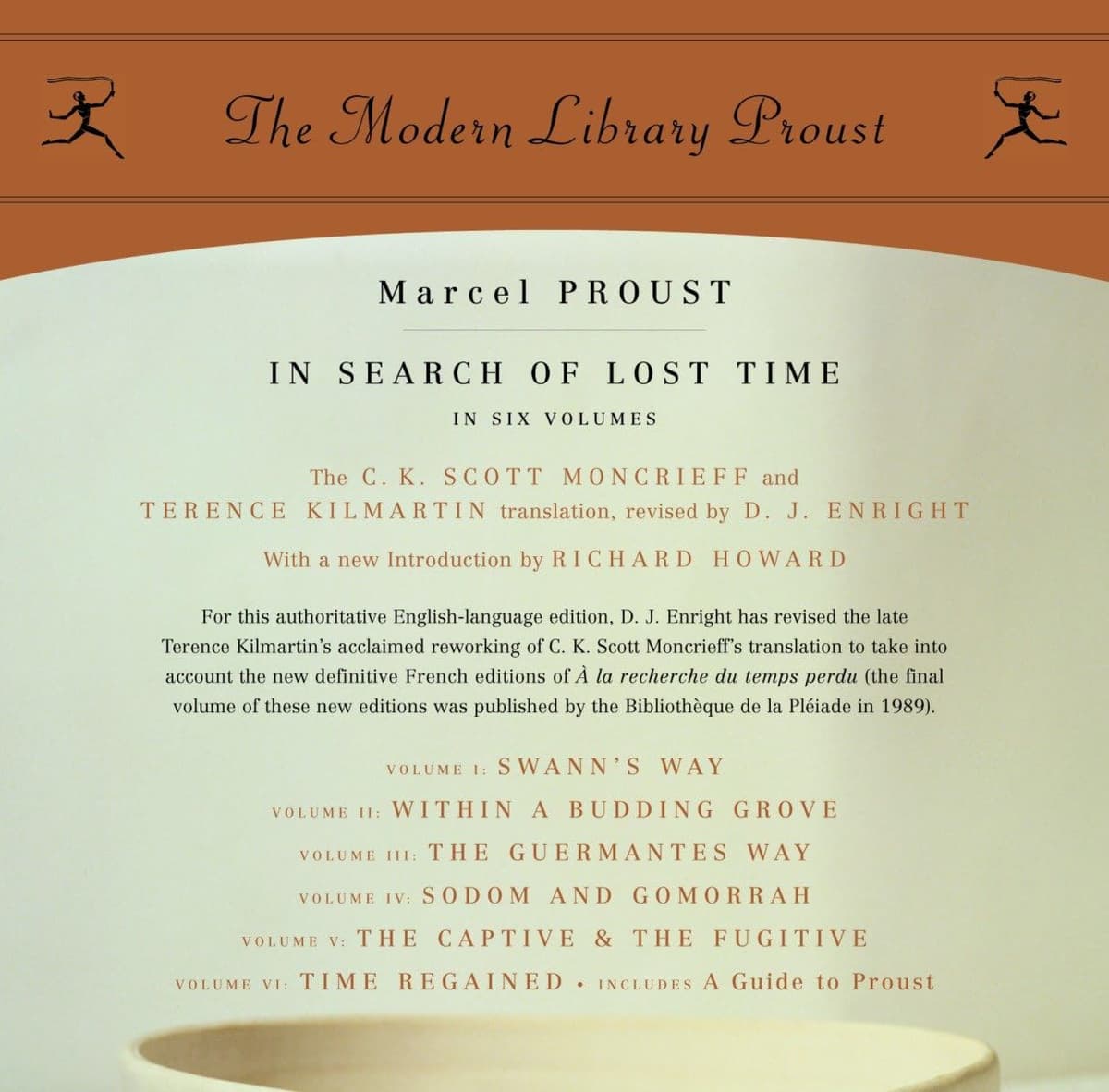 #2View Book
In Search of Lost Time
Marcel Proust
High•100+ hours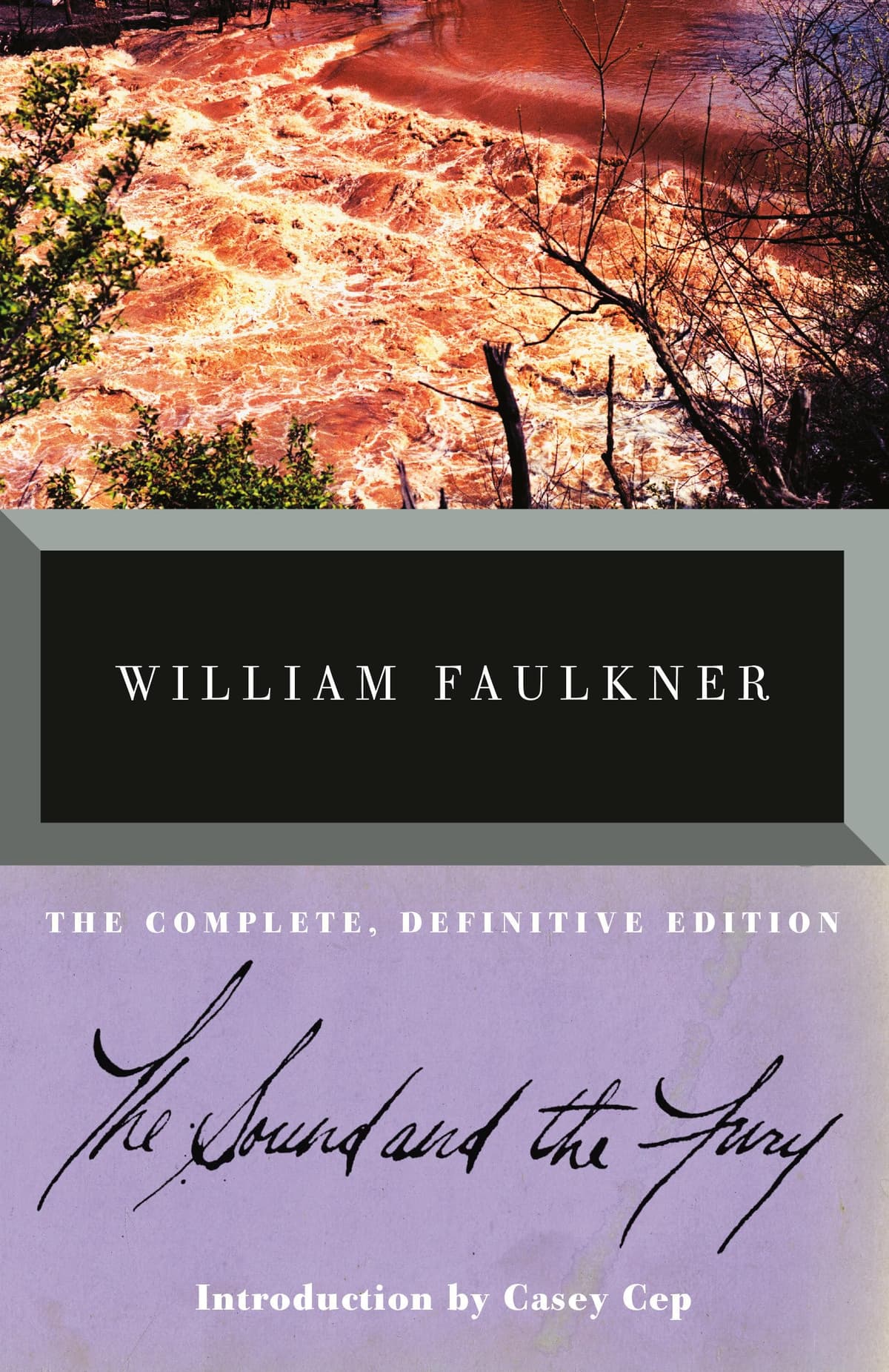 #8View Book
The Sound and the Fury
William Faulkner
Very High•12-15 hours #13View Book
Lolita
Vladimir Nabokov
Challenging•12-15 hours
Browse more collections