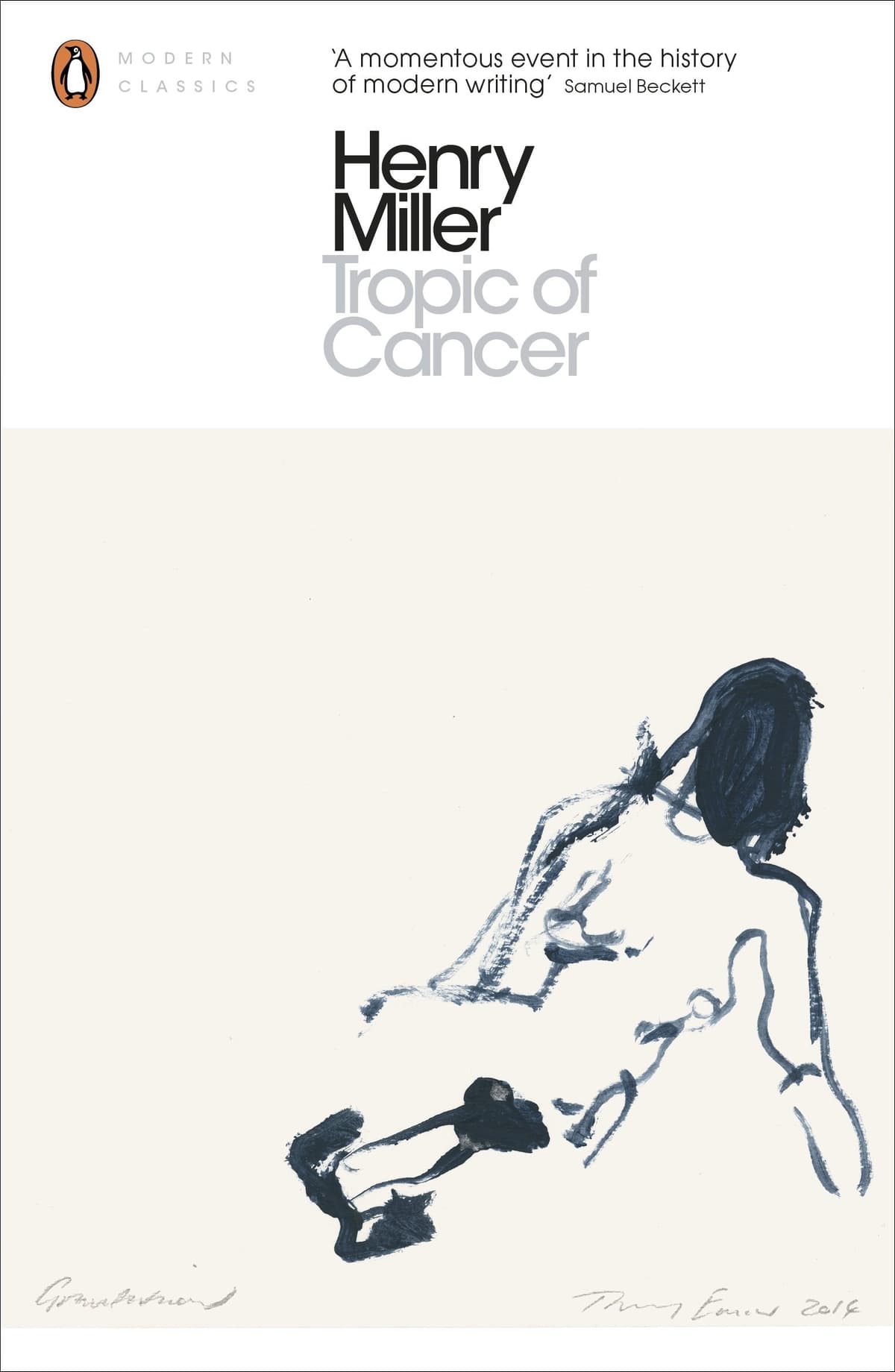
Tropic of Cancer
“I have no money, no resources, no hopes. I am the happiest man alive.”
Tropic of Cancer Summary
Henry Miller is broke, hungry, and ecstatic in Paris. He has abandoned his wife, his country, and every conventional expectation of what a life—or a novel—should look like, and what remains is a torrent of language that surges through the streets, cafes, and brothels of 1930s Montparnasse with anarchic, euphoric energy. There is no plot in any traditional sense—only the day-to-day existence of an American writer on the margins, cadging meals from friends, sleeping in fleabag hotels, pursuing sexual encounters with volcanic appetite, and transforming the squalor of his circumstances into lyrical, sometimes obscene, always astonishing prose.
Tropic of Cancer is less a novel than a manifesto for living without compromise. Miller obliterates the boundary between autobiography and fiction, between the sacred and the profane, creating a voice that is at once Whitmanesque in its expansive joy and Rabelaisian in its bawdy excess. The book was banned in the United States for nearly three decades after its Paris publication—its obscenity trial in 1964 became a landmark case for literary freedom. Beneath the shock and provocation lies something genuinely radical: a vision of the artist as a man who has stripped himself of every pretension and emerged, raw and alive, into the full chaos of existence. It is a book that demands you either surrender to its headlong rush or put it down entirely.
Why Read Tropic of Cancer?
If literature has ever felt too polite, too safe, too concerned with good manners and tidy resolutions, Tropic of Cancer is the antidote. Miller writes as if the page itself were on fire—his sentences careening from gutter filth to transcendent beauty within a single paragraph. This is a book that changed what was legally permissible in American literature, and its influence echoes through the Beats, through Bukowski, through every writer who has dared to put raw experience on the page without apology.
But Tropic of Cancer is far more than its scandalous reputation suggests. Beneath the bravado is a profound meditation on freedom—what it costs, what it demands, what it feels like to cast off every safety net and live entirely in the present moment. Miller's Paris is not the Paris of tourist postcards but a city of desperate vitality, where poverty becomes a kind of liberation and every meal shared with a friend is a feast. You may be offended, you may be exhilarated, but you will not be bored. Few books have ever captured the sheer, reckless joy of being alive with such ferocious honesty.
About Henry Miller
Henry Miller (1891–1980) was born in the Yorkville neighborhood of Manhattan and grew up in Brooklyn, the son of German-American parents. After a series of dead-end jobs—including a stint as employment manager for Western Union—he abandoned his second wife, June, and sailed for Paris in 1930, determined to become a writer at any cost. He lived in near-destitution for several years, supported by friends like Anaïs Nin, until the publication of Tropic of Cancer in 1934 by the Obelisk Press in Paris.
The book was immediately hailed by writers like T. S. Eliot, Ezra Pound, and George Orwell as a masterpiece, but it remained banned in the English-speaking world for decades. The 1961 Grove Press edition in the United States triggered a series of obscenity trials that ultimately reached the Supreme Court, establishing important precedents for literary freedom. Miller's later works—including Tropic of Capricorn, Black Spring, and The Rosy Crucifixion trilogy—continued his autobiographical odyssey. He spent his final decades in Big Sur, California, painting watercolors and holding court as one of American literature's great iconoclasts.
Reading Guide
Ranked #229 among the greatest books of all time, Tropic of Cancer by Henry Miller has earned its place in the literary canon. Originally written in English and published in 1934, this challenging read from United States continues to resonate with readers today.
This book belongs to our Modern Mind and American Spirit collections, where you can discover more books that share its spirit and themes.
If you enjoy challenging reads like this one, you might also like Ulysses, Moby-Dick, or Lolita.
From the Modern Mind Collection
If you enjoyed Tropic of Cancer, discover more masterpieces that share its spirit.
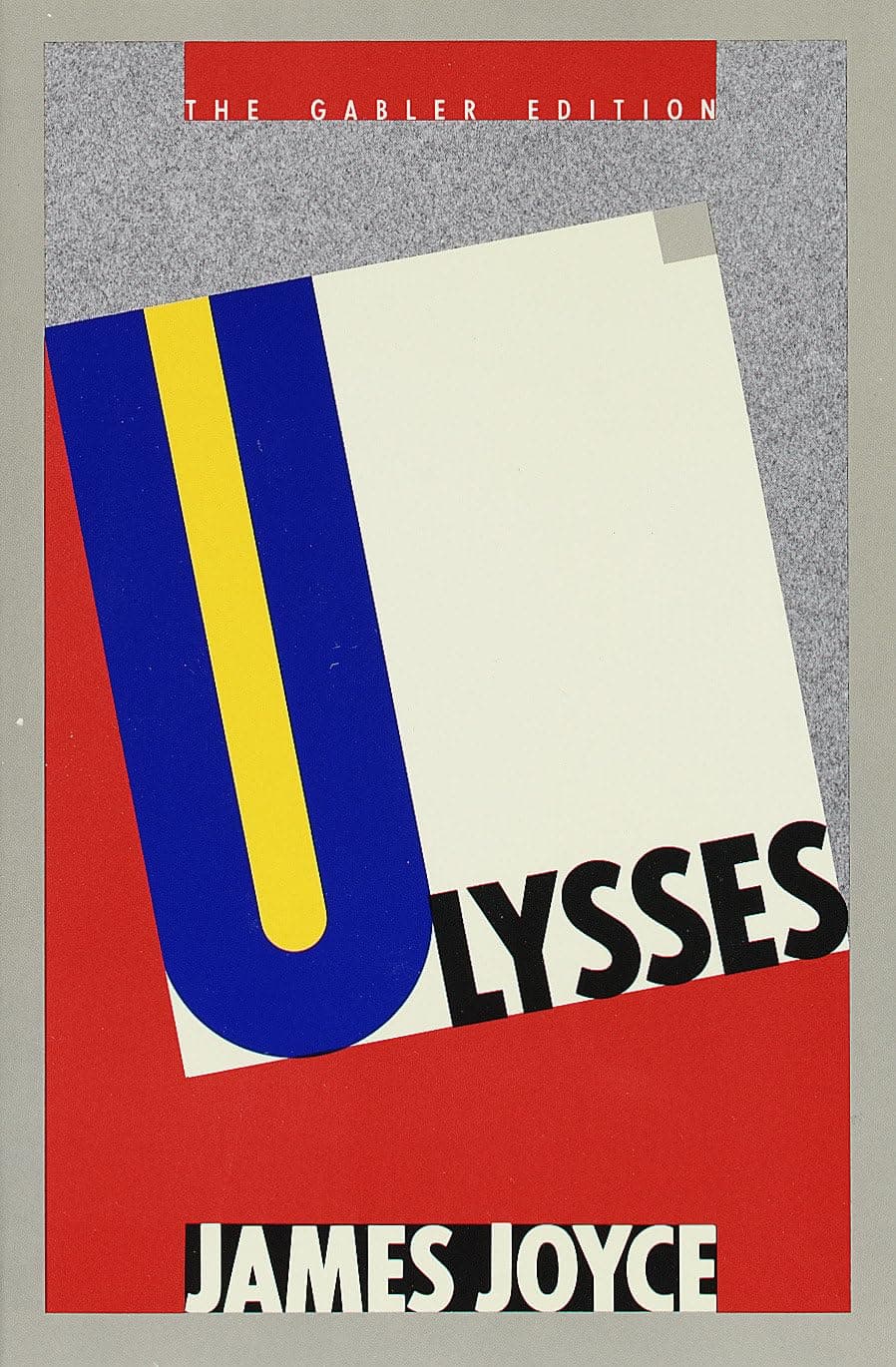 #1View Book
Ulysses
James Joyce
Challenging•35-40 hours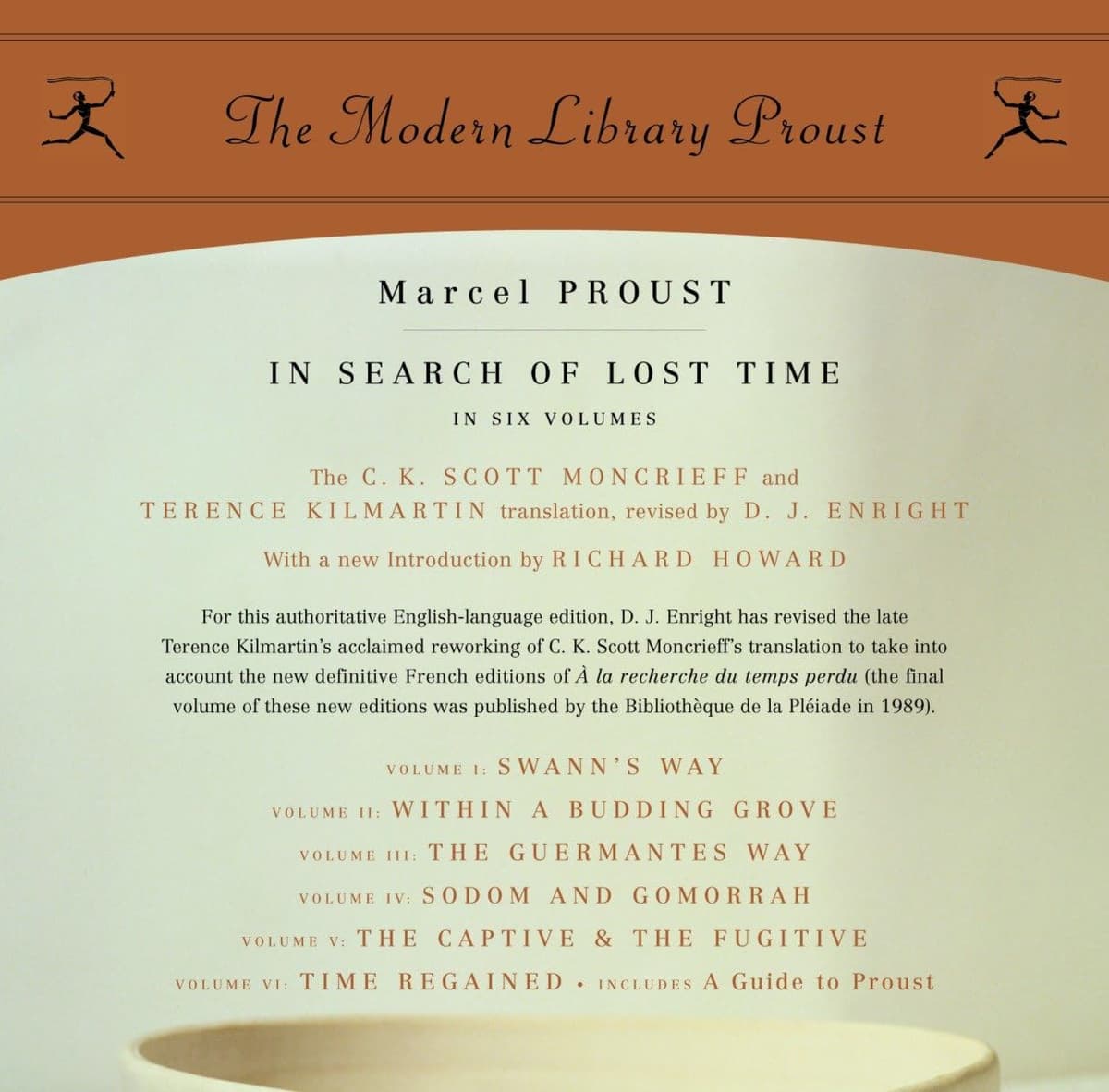 #2View Book
In Search of Lost Time
Marcel Proust
High•100+ hours #8View Book
The Sound and the Fury
William Faulkner
Very High•12-15 hours #13View Book
Lolita
Vladimir Nabokov
Challenging•12-15 hours
Browse more collections