The Bluest Eye
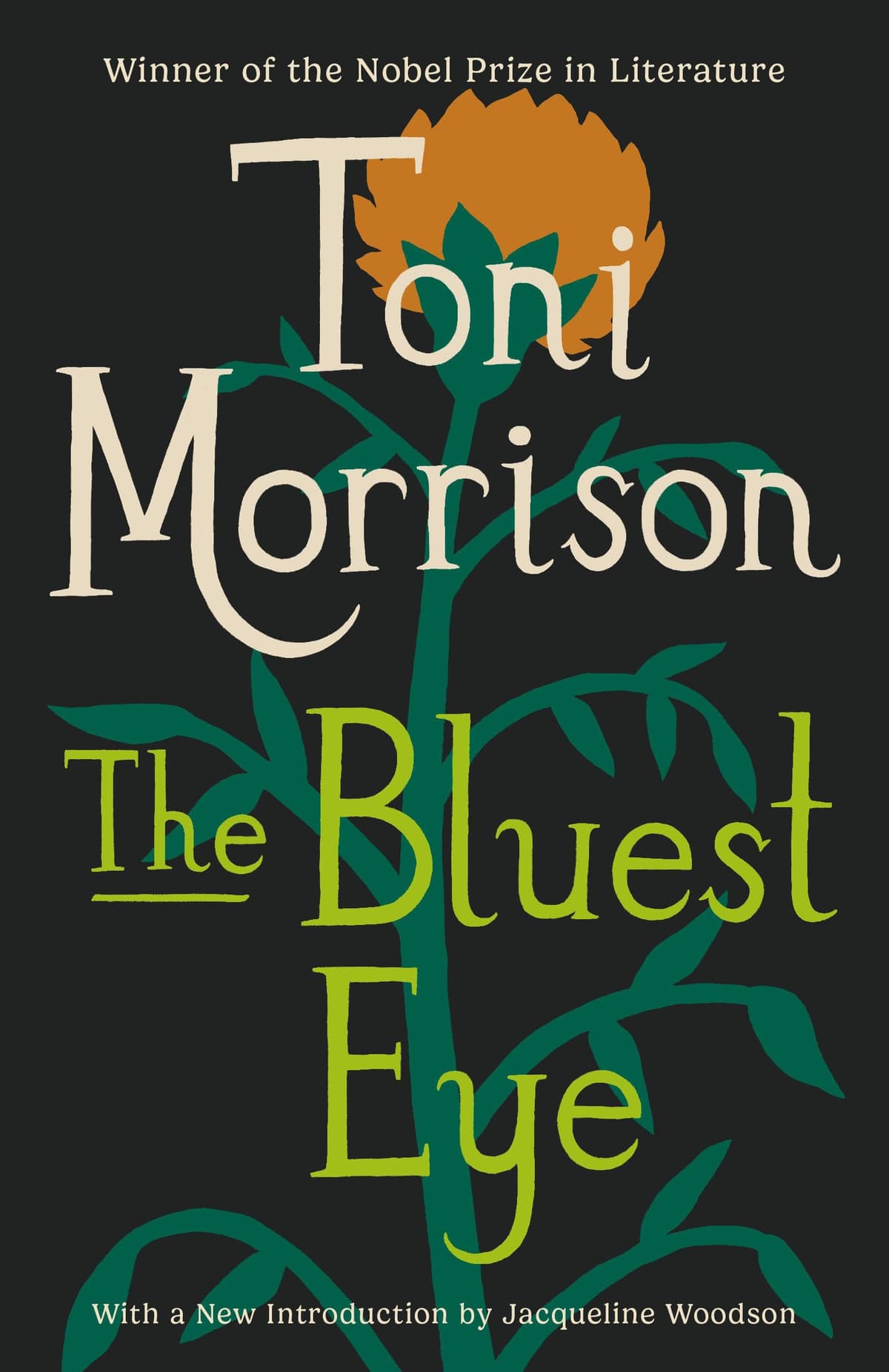
“Along with the idea of romantic love, she was introduced to another—physical beauty. Probably the most destructive ideas in the history of human thought. Both originated in envy, thrived in insecurity, and ended in disillusion.”
The Bluest Eye Summary
In the small town of Lorain, Ohio, in the early 1940s, a young Black girl named Pecola Breedlove prays every night for blue eyes. She is convinced that if she could only possess the blond hair and blue eyes celebrated by every billboard, movie screen, and Shirley Temple cup in white America, she would be loved. Instead, she is surrounded by cruelty and neglect: her parents, Cholly and Pauline, are trapped in cycles of violence, poverty, and self-hatred; the community offers her pity at best and contempt at worst; and the white beauty standards that saturate her world have taught her that she is ugly, worthless, and invisible. The story is narrated partly by Claudia MacTeer, a girl from a poor but loving family who boards Pecola for a time, and partly by an omniscient voice that peels back the histories of the adults to reveal how systemic racism has damaged every character from the inside out. The novel drives toward a catastrophe that is all the more devastating for being narrated with quiet, lyrical precision.
Toni Morrison's debut novel is a searing examination of how racism destroys not merely through external violence but through the internalization of white beauty standards, poisoning Black self-perception at its root. The novel's fractured structure, which interweaves the Dick-and-Jane primer with the Breedlove family's reality, creates a devastating ironic counterpoint between the myth of American domesticity and the lived experience of those it excludes. Morrison's prose is at once lyrical and unflinching, capable of extraordinary beauty in its rendering of suffering. The Bluest Eye announced the arrival of one of the most important voices in American literature, a writer who would spend her career excavating the interior lives that history tried to erase.
Why Read The Bluest Eye?
The Bluest Eye is a book that will change the way you see the world, and it will do so in barely two hundred pages. Morrison's genius in this debut novel lies in showing how racism operates not just through laws and lynchings but through the seemingly innocuous machinery of culture: the dolls given to children, the images on movie screens, the primers used in schools. Pecola Breedlove's longing for blue eyes is heartbreaking not because it is unusual but because Morrison reveals it as the logical, inevitable product of a society that has defined beauty as whiteness. You will never look at a beauty standard the same way again.
What makes this novel endure is Morrison's refusal to simplify. Every character, even the most destructive, is given a history that makes their damage comprehensible without excusing it. The prose moves between vernacular warmth and poetic intensity with a fluency that feels effortless, and the novel's structural innovations, weaving the Dick-and-Jane reader through the narrative like a cracked mirror, demonstrate a formal ambition that would define Morrison's entire career. This is where one of America's greatest literary voices began, and it remains as urgent and necessary as the day it was published.
About Toni Morrison
Toni Morrison was born Chloe Ardelia Wofford in 1931 in Lorain, Ohio, a steel town on Lake Erie whose multiethnic working-class community would inform much of her fiction. She studied English at Howard University and Cornell, earning a master's degree with a thesis on Virginia Woolf and William Faulkner, two writers whose influence is visible throughout her work. She worked as an editor at Random House for nearly two decades, championing Black literature and publishing works by Angela Davis, Toni Cade Bambara, and Gayl Jones.
Morrison published her first novel, The Bluest Eye, in 1970 at the age of thirty-nine, and over the next three decades produced a body of work that redefined American literature. Song of Solomon, Beloved, Sula, and Jazz explored the Black American experience with a mythic imagination and linguistic power that earned comparisons to Faulkner and Garcia Marquez. She won the Pulitzer Prize for Beloved in 1988 and the Nobel Prize in Literature in 1993, the first African American woman to receive the honor. Morrison taught at Princeton University and remained a commanding public intellectual until her death in 2019 at the age of eighty-eight.
Reading Guide
Ranked #352 among the greatest books of all time, The Bluest Eye by Toni Morrison has earned its place in the literary canon. Originally written in English and published in 1970, this moderate read from United States continues to resonate with readers today.
This book belongs to our American Spirit collection, where you can discover more books that share its spirit and themes.
If you enjoy moderate reads like this one, you might also like One Hundred Years of Solitude, Nineteen Eighty-Four, or Wuthering Heights.
From the American Spirit Collection
If you enjoyed The Bluest Eye, discover more masterpieces that share its spirit.
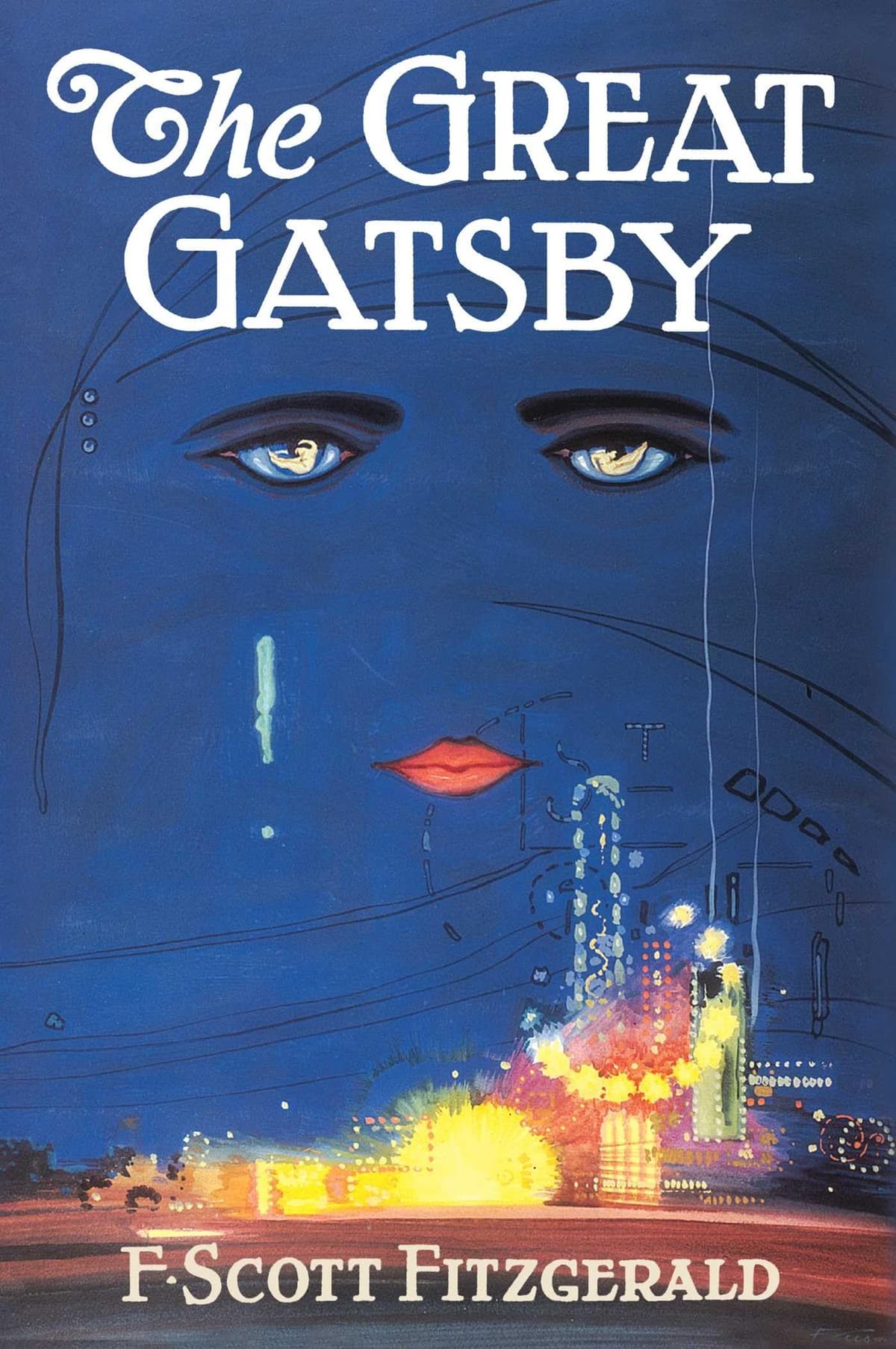 #3View Book
The Great Gatsby
F. Scott Fitzgerald
Accessible•5-6 hours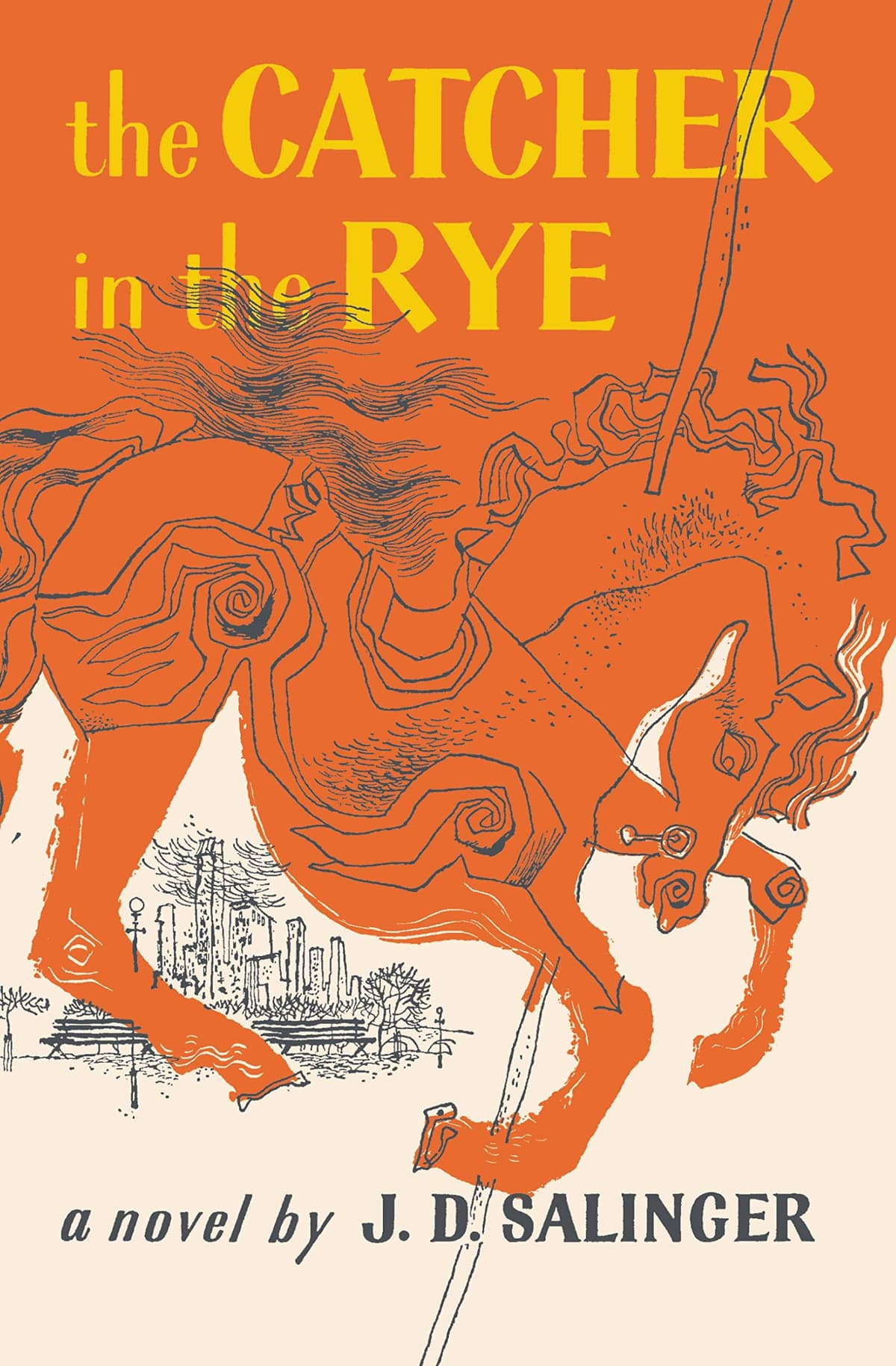 #4View Book
The Catcher in the Rye
J. D. Salinger
Accessible•6-8 hours #13View Book
Lolita
Vladimir Nabokov
Challenging•12-15 hours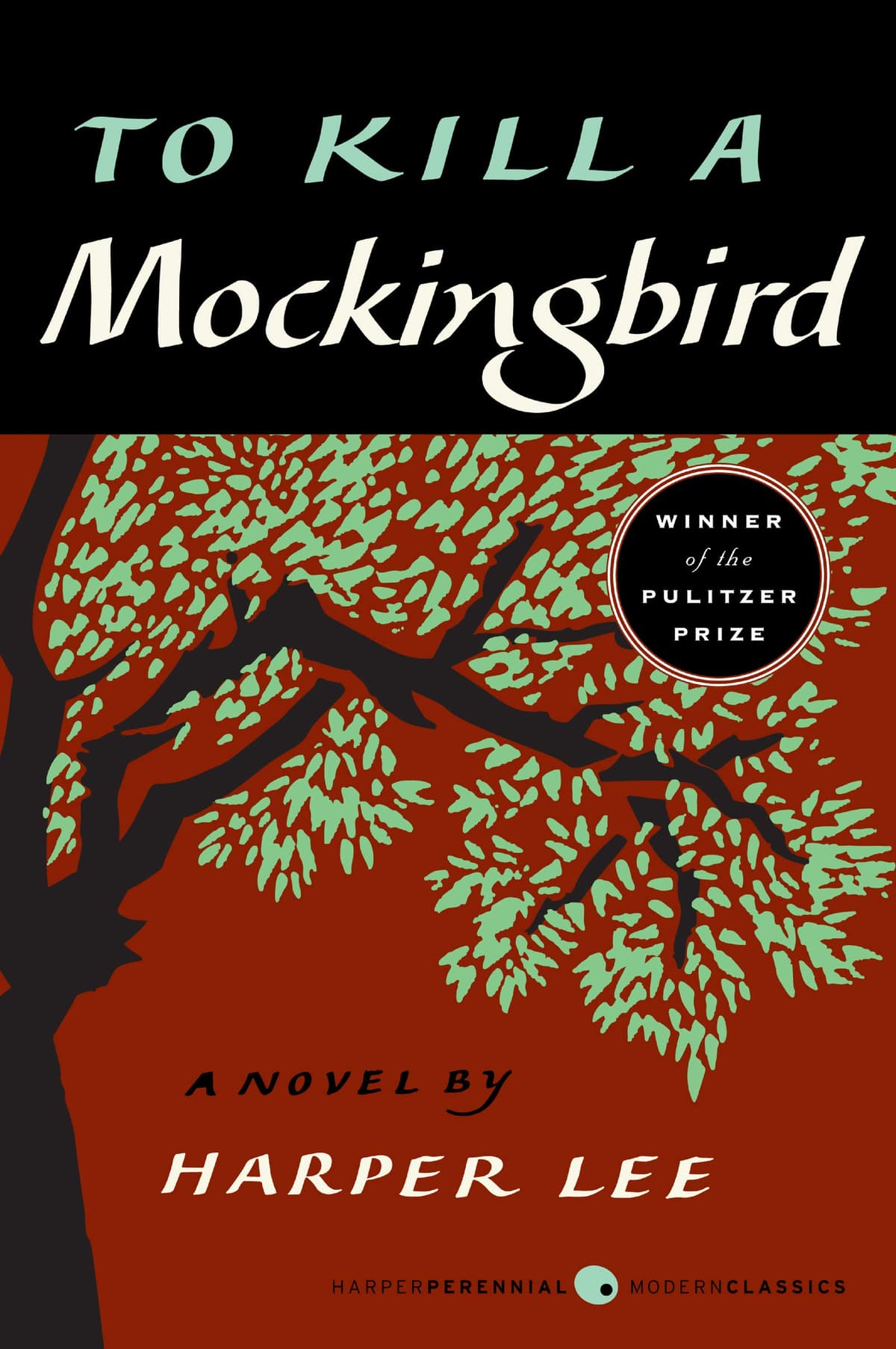 #17View Book
To Kill a Mockingbird
Harper Lee
Accessible•8-10 hours
Browse more collections